
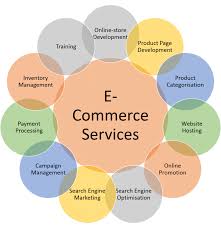
The Power of Ecommerce Services
In today’s digital age, ecommerce services have revolutionised the way businesses operate and consumers shop. With the convenience of online shopping at their fingertips, customers can browse, compare, and purchase products or services from the comfort of their homes.
Ecommerce services encompass a wide range of functionalities that enable businesses to establish an online presence, reach a global audience, and drive sales. From setting up an online store to managing inventory, processing payments securely, and providing seamless customer support, ecommerce services play a crucial role in the success of modern businesses.
Key Benefits of Ecommerce Services:
- Global Reach: By leveraging ecommerce services, businesses can transcend geographical boundaries and tap into international markets with ease.
- 24/7 Accessibility: Online stores never close, allowing customers to make purchases at any time of the day or night.
- Cost-Effectiveness: Compared to traditional brick-and-mortar stores, operating an ecommerce store incurs lower overhead costs.
- Data-Driven Insights: Ecommerce platforms provide valuable data and analytics that help businesses understand customer behaviour and preferences.
- Personalised Shopping Experience: Through features like product recommendations and targeted marketing campaigns, ecommerce services enable businesses to offer personalised shopping experiences to customers.
Whether you’re a small boutique or a large enterprise, embracing ecommerce services is essential for staying competitive in today’s market. By investing in a robust ecommerce platform and utilising the latest technologies, businesses can enhance their online presence, attract new customers, and drive revenue growth.
Exploring the Top 7 Advantages of E-commerce Services: From Global Reach to Personalisation
- Global Reach
- Convenience
- Cost-Effective
- Data Insights
- 24/7 Accessibility
- Scalability
- Personalisation
Exploring the Challenges of E-commerce Services: 7 Key Concerns
- 1. Security Risks
- 2. Lack of Personal Touch
- 3. Shipping Delays
- 4. Returns and Refunds
- 5. Technical Issues
- 6. Competition
- 7. Dependency on Technology
Global Reach
With the global reach offered by ecommerce services, businesses have the remarkable opportunity to expand beyond local boundaries and connect with customers on a worldwide scale. By establishing an online presence, companies can transcend geographical limitations and tap into diverse markets, reaching potential customers in different countries and regions. This unparalleled reach not only increases brand visibility but also opens up new avenues for growth and revenue generation, making ecommerce an indispensable tool for businesses looking to thrive in the digital age.
Convenience
Ecommerce services offer unparalleled convenience by allowing customers to shop anytime, anywhere, thereby enhancing their overall shopping experience. With just a few clicks, consumers can browse through a vast array of products, compare prices, and make purchases without the constraints of traditional store hours or physical locations. This flexibility empowers customers to shop at their own convenience, whether it’s during a lunch break at work or late at night from the comfort of their homes. The accessibility and ease of online shopping provided by ecommerce services cater to the busy lifestyles of modern consumers, making it a highly valued aspect of the digital shopping landscape.
Cost-Effective
One significant advantage of ecommerce services is their cost-effectiveness, allowing businesses to save on overhead costs typically associated with traditional brick-and-mortar stores. By operating an online store, businesses can eliminate expenses such as rent, utilities, and maintenance of physical retail spaces. This cost-saving benefit enables companies to allocate resources more efficiently, invest in marketing strategies, and enhance their overall profitability in a competitive market environment.
Data Insights
One of the key advantages of utilising ecommerce services is the access to valuable data insights and analytics that provide deep insights into customer behaviour and preferences. By leveraging this information, businesses can make informed decisions to enhance their marketing strategies, improve product offerings, and tailor their services to better meet the needs and expectations of their target audience. Understanding customer behaviour through data analysis allows businesses to create personalised shopping experiences, increase customer satisfaction, and ultimately drive sales growth in a competitive online marketplace.
24/7 Accessibility
One of the key advantages of ecommerce services is the 24/7 accessibility they offer. By keeping your online store open round the clock, you can cater to customers’ needs at any time, providing them with the convenience of shopping whenever it suits them best. This flexibility not only enhances customer satisfaction but also allows you to capture sales opportunities beyond traditional business hours, ultimately boosting your revenue potential and expanding your reach in the global marketplace.
Scalability
Scalability is a key advantage of ecommerce services, allowing businesses to effortlessly expand their operations and product offerings in line with the growth of their customer base. With the ability to adapt and accommodate increasing demand, businesses can maintain efficiency and deliver a seamless shopping experience to a growing number of customers. This flexibility ensures that businesses can scale up their online presence without being hindered by limitations, ultimately supporting long-term growth and success in the digital marketplace.
Personalisation
Personalisation is a key advantage of ecommerce services, allowing businesses to offer tailored shopping experiences to their customers. By utilising targeted marketing strategies and product recommendations based on customer preferences and behaviour, online retailers can create a more engaging and relevant shopping journey for each individual. This personal touch not only enhances customer satisfaction but also increases the likelihood of conversion and repeat purchases, ultimately fostering long-term customer loyalty and driving business growth.
1. Security Risks
Ecommerce services, despite their many advantages, come with significant security risks that cannot be ignored. One prominent concern is the vulnerability of ecommerce transactions to cyber threats and data breaches, which can jeopardise the sensitive information of customers. The potential exposure of personal and financial data poses a serious risk to both businesses and consumers, highlighting the critical importance of implementing robust security measures to safeguard against malicious attacks and protect the integrity of online transactions.
2. Lack of Personal Touch
Online shopping’s drawback lies in its lack of personal touch, a key element that physical stores excel at providing. The absence of face-to-face interaction in ecommerce services can result in a disconnect between businesses and customers, potentially leading to dissatisfaction among consumers. Without the ability to physically see, touch, or interact with products and receive immediate assistance from sales staff, some customers may feel less engaged or confident in their purchase decisions when shopping online. This limitation underscores the importance of finding innovative ways to bridge the gap and enhance the overall shopping experience in the digital realm.
3. Shipping Delays
One significant drawback of ecommerce services is the occurrence of shipping delays, which can result in customers experiencing prolonged waiting periods for their orders. These delays not only affect customer satisfaction but also have the potential to trigger negative reviews and feedback. Customers who expect timely delivery of their purchases may become frustrated and disillusioned with the service provider if their orders are not delivered within the expected timeframe. This issue highlights the importance of efficient logistics and shipping processes in maintaining a positive customer experience in the realm of ecommerce services.
4. Returns and Refunds
Handling returns and refunds in ecommerce can present a significant challenge for businesses and customers alike. The process of managing product returns and issuing refunds can be intricate, time-consuming, and often involves additional costs for businesses. Customers may also experience frustration and inconvenience when navigating the return process, impacting their overall shopping experience. Balancing the need to uphold customer satisfaction while managing return logistics efficiently is a delicate task that requires careful consideration and effective communication to mitigate potential issues.
5. Technical Issues
Technical issues pose a significant challenge for ecommerce services, as platforms are susceptible to glitches and downtime that can disrupt the user experience and impede sales. When customers encounter errors during the checkout process or face website unavailability, it can lead to frustration and abandonment of purchases. Businesses relying on ecommerce platforms must invest in robust technical infrastructure and proactive monitoring to minimise the risk of such disruptions and ensure a seamless online shopping experience for their customers.
6. Competition
In the realm of ecommerce services, one significant drawback is the fierce competition that businesses face in the online marketplace. With a multitude of companies vying for consumer attention and loyalty, standing out amidst the sea of competitors poses a considerable challenge. Differentiating one’s brand, products, or services in a saturated market requires strategic marketing efforts, innovative approaches, and a deep understanding of consumer preferences to carve out a distinct identity and secure a competitive edge.
7. Dependency on Technology
Businesses that heavily rely on ecommerce services face the con of being excessively dependent on technology, making them vulnerable to disruptions stemming from technological failures or shifts. In an era where digital infrastructure is constantly evolving, businesses must navigate the challenges posed by potential system breakdowns or unexpected changes in technology that could impact their online operations. This dependency underscores the importance of implementing robust contingency plans and staying agile to mitigate risks associated with technological dependencies in the ecommerce landscape.