
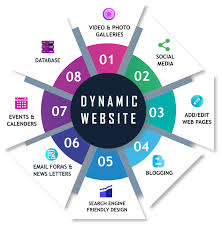
The Power of Dynamic Web Design
In the ever-evolving world of web design, dynamic web design stands out as a powerful and versatile approach that offers numerous benefits for both businesses and users. Unlike static websites that display the same content to every visitor, dynamic websites are interactive and can adapt to user input, making the browsing experience more engaging and personalised.
Enhanced User Experience
Dynamic web design allows for customisation based on user preferences, behaviour, and demographics. By incorporating features such as personalised recommendations, interactive elements, and dynamic content updates, websites can create a more immersive and tailored experience for visitors. This not only keeps users engaged but also encourages them to spend more time on the site.
Improved Functionality
Dynamic websites can integrate with databases, APIs, and other external sources to deliver real-time information and functionality. This enables features like online transactions, user account management, interactive forms, and live chat support. By harnessing the power of dynamic web design, businesses can streamline processes, automate tasks, and provide seamless interactions for their customers.
Search Engine Optimisation (SEO) Benefits
Dynamic web design facilitates SEO efforts by allowing for dynamic content updates, targeted keyword optimisation, and improved site performance. Search engines favour websites that provide fresh and relevant content to users, which dynamic websites can achieve through regular updates and personalised recommendations. This helps improve search engine rankings and visibility for businesses looking to attract organic traffic.
Adaptability Across Devices
In today’s mobile-centric world, responsive design is crucial for ensuring a consistent user experience across devices. Dynamic web design enables websites to adjust their layout and functionality based on the device being used, whether it’s a desktop computer, tablet or smartphone. This adaptability ensures that users can access content seamlessly regardless of the device they are using.
Conclusion
Dynamic web design offers a myriad of benefits that can elevate a website’s performance, user engagement, and overall success in the digital landscape. By embracing interactivity, personalisation, functionality enhancements, SEO advantages and cross-device compatibility, businesses can create compelling online experiences that resonate with their target audience.
Advantages of Dynamic Web Design: Boosting User Experience, Functionality, SEO, Adaptability, and Engagement
- Enhanced user experience through personalisation and interactivity.
- Improved functionality with real-time information and interactive features.
- SEO benefits from dynamic content updates and targeted optimisation.
- Adaptability across devices for a seamless user experience on any screen size.
- Increased engagement and time spent on the website due to tailored interactions.
Challenges of Dynamic Web Design: Navigating Complexity, Costs, and More
Enhanced user experience through personalisation and interactivity.
Dynamic web design excels in enhancing user experience through personalisation and interactivity. By tailoring content and features to individual preferences, behaviours, and demographics, dynamic websites create a more engaging and personalised browsing experience for users. Through interactive elements such as customised recommendations, real-time updates, and user-driven interactions, visitors feel more connected to the website, leading to increased engagement and satisfaction. This personal touch not only keeps users interested but also fosters a sense of connection that can drive loyalty and repeat visits.
Improved functionality with real-time information and interactive features.
Dynamic web design offers a significant advantage in terms of improved functionality by incorporating real-time information and interactive features. By seamlessly integrating with databases, APIs, and external sources, dynamic websites can provide users with up-to-date data and interactive elements that enhance the overall browsing experience. This capability allows businesses to offer online transactions, personalised user account management, interactive forms, and live chat support, ultimately streamlining processes and fostering engaging interactions with their audience.
SEO benefits from dynamic content updates and targeted optimisation.
Dynamic web design offers significant SEO benefits through its ability to provide dynamic content updates and targeted optimisation. By regularly updating content based on user interactions and preferences, dynamic websites can improve their search engine rankings and visibility. Targeted optimisation allows businesses to tailor their content to specific keywords and user demographics, increasing the likelihood of attracting organic traffic and boosting their online presence. This proactive approach to SEO within dynamic web design not only enhances a website’s performance but also ensures that it remains relevant and competitive in the digital landscape.
Adaptability across devices for a seamless user experience on any screen size.
Dynamic web design’s adaptability across devices ensures a seamless user experience on any screen size, making it a standout feature in the digital realm. By dynamically adjusting layouts and functionalities based on the device being used, dynamic websites guarantee that users can access content effortlessly, whether they are browsing on a desktop computer, tablet, or smartphone. This versatility not only enhances user satisfaction but also reflects a commitment to providing an inclusive and accessible online experience for all visitors, regardless of the device they choose to engage with.
Increased engagement and time spent on the website due to tailored interactions.
One significant advantage of dynamic web design is the ability to boost user engagement and prolong the time spent on a website through tailored interactions. By personalising content, recommendations, and interactive elements based on user preferences and behaviour, dynamic websites create a more immersive and relevant experience for visitors. This tailored approach not only captivates users but also encourages them to explore further, ultimately leading to increased interaction and extended time spent on the website.
Complexity
Dynamic web design, while offering numerous advantages, comes with the con of increased complexity in development and maintenance. Unlike static websites that have fixed content and structure, dynamic websites require more intricate coding and database integration to support interactive features and real-time updates. This complexity can lead to longer development times, higher costs, and a greater need for ongoing maintenance to ensure optimal performance. Additionally, the dynamic nature of these websites may require more technical expertise to manage effectively, making them potentially more challenging for businesses with limited resources or technical knowledge.
Cost
One significant drawback of dynamic web design is the associated costs. Implementing dynamic features often necessitates additional investment in terms of development and hosting expenses. The complexity of integrating interactive elements, real-time updates, and personalised functionalities can lead to higher development costs. Additionally, dynamic websites typically require more robust hosting solutions to support the increased data processing and storage requirements, resulting in ongoing operational expenses. As a result, businesses considering dynamic web design must carefully weigh the financial implications against the potential benefits to ensure a cost-effective and sustainable approach to their online presence.
Loading Time
In the realm of dynamic web design, a notable drawback revolves around loading times. Websites that are rich in content or feature complex functionalities may suffer from slower loading speeds, ultimately impacting the user experience. As users increasingly expect instant access to information and seamless navigation, delays in loading can lead to frustration and deter engagement. Optimising performance becomes crucial in mitigating this con of dynamic web design, striking a balance between functionality and speed to ensure a smooth and efficient browsing experience for visitors.
Security Risks
The interactive nature of dynamic websites can introduce security risks if not adequately addressed. With the ability to process user input and integrate with external sources, dynamic web design opens up potential vulnerabilities that malicious actors could exploit. Without robust security measures in place, such as data encryption, input validation, and secure coding practices, sensitive information could be compromised, leading to data breaches and other cybersecurity threats. It is crucial for businesses to prioritise security when implementing dynamic web design to safeguard both their data and their users’ privacy.
SEO Challenges
One significant drawback of dynamic web design is the SEO challenge it poses. The constant changes in content on dynamic websites can create difficulties in optimising them for search engines and sustaining rankings. Search engine algorithms may struggle to index rapidly changing content, leading to potential fluctuations in search rankings and visibility. This inconsistency in SEO performance can hinder a website’s ability to attract organic traffic and compete effectively in search engine results pages. Maintaining a balance between dynamic, engaging content and SEO optimisation strategies is crucial to mitigate these challenges and ensure long-term search visibility for dynamic websites.
Compatibility Issues
One significant drawback of dynamic web design is the potential for compatibility issues across different devices, browsers, and screen sizes. Ensuring seamless functionality and visual consistency can be more challenging due to the interactive and adaptable nature of dynamic websites. Developers may face complexities in optimising layouts, features, and interactions to perform consistently across a wide range of devices and browsers, which can lead to inconsistencies in user experience and performance. Addressing compatibility issues requires thorough testing and ongoing maintenance to ensure a satisfactory browsing experience for all users.