
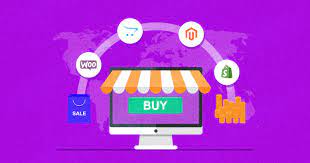
The Power of Ecommerce Platforms
In today’s digital age, ecommerce platforms have revolutionised the way businesses operate and customers shop. An ecommerce platform is a software application that allows online businesses to manage their website, sales, and operations in one centralised location.
Benefits of Using an Ecommerce Platform:
- Global Reach: Ecommerce platforms enable businesses to reach customers worldwide, breaking down geographical barriers and expanding market reach.
- 24/7 Sales: With an online store powered by an ecommerce platform, businesses can make sales round the clock, providing convenience to customers in different time zones.
- Customisation: Ecommerce platforms offer flexibility in design and functionality, allowing businesses to create a unique and tailored online shopping experience for their customers.
- Inventory Management: Efficient inventory management tools help businesses track stock levels, manage product variations, and streamline order fulfilment processes.
- Payment Options: Secure payment gateways integrated into ecommerce platforms ensure safe transactions for both businesses and customers.
- Data Analytics: Ecommerce platforms provide valuable insights through analytics tools, helping businesses understand customer behaviour, track sales performance, and make informed decisions.
The Future of Ecommerce Platforms
As technology continues to evolve, ecommerce platforms are also advancing to meet the changing needs of online businesses. Features such as artificial intelligence, augmented reality shopping experiences, voice commerce integration, and mobile optimisation are shaping the future of ecommerce.
In conclusion, ecommerce platforms have become essential tools for modern businesses looking to establish a strong online presence and drive sales growth. By leveraging the power of ecommerce platforms, businesses can enhance customer engagement, improve operational efficiency, and stay competitive in today’s digital marketplace.
Enhancing Your Ecommerce Platform: Six Essential Tips for Success
- Choose a user-friendly and responsive design for your ecommerce platform to enhance customer experience.
- Optimize your website for mobile devices to cater to the increasing number of mobile shoppers.
- Implement secure payment gateways to build trust and ensure the safety of online transactions.
- Regularly update your product listings and prices to keep customers informed and engaged.
- Utilize social media channels to promote your products and engage with potential customers.
- Monitor analytics and customer feedback to continuously improve your ecommerce platform’s performance.
Choose a user-friendly and responsive design for your ecommerce platform to enhance customer experience.
When setting up your ecommerce platform, it is crucial to select a user-friendly and responsive design to elevate the overall customer experience. A user-friendly design ensures that visitors can easily navigate through your website, find products effortlessly, and complete purchases without unnecessary complications. Additionally, a responsive design guarantees that your platform adapts seamlessly to various devices and screen sizes, providing a consistent and enjoyable shopping experience for customers across desktops, laptops, tablets, and smartphones. By prioritising usability and responsiveness in your ecommerce platform’s design, you can enhance customer satisfaction, encourage repeat business, and ultimately drive growth for your online store.
Optimize your website for mobile devices to cater to the increasing number of mobile shoppers.
To maximise your ecommerce platform’s potential, it is crucial to optimise your website for mobile devices. With the rising number of mobile shoppers, ensuring a seamless and user-friendly mobile experience is paramount. By prioritising mobile responsiveness and usability, you can cater to the preferences of on-the-go consumers, enhance accessibility, and ultimately drive conversions. Embracing mobile optimisation not only improves customer satisfaction but also positions your business for success in an increasingly mobile-driven marketplace.
Implement secure payment gateways to build trust and ensure the safety of online transactions.
To enhance the credibility of your ecommerce platform and safeguard online transactions, it is crucial to implement secure payment gateways. By integrating reliable payment processing systems, businesses can instil trust in customers and provide a secure environment for financial transactions. Secure payment gateways not only protect sensitive data but also demonstrate a commitment to customer safety, ultimately fostering loyalty and confidence in your online business.
Regularly update your product listings and prices to keep customers informed and engaged.
To maintain a dynamic and engaging online shopping experience, it is crucial for businesses to regularly update their product listings and prices on their ecommerce platform. By keeping customers informed about the latest products and pricing changes, businesses can enhance customer satisfaction, encourage repeat visits, and drive sales. Timely updates demonstrate a commitment to transparency and customer service, fostering trust and loyalty among online shoppers.
Utilize social media channels to promote your products and engage with potential customers.
To maximise the potential of your ecommerce platform, it is crucial to leverage social media channels as powerful marketing tools. By actively promoting your products and engaging with potential customers on platforms like Facebook, Instagram, and Twitter, you can increase brand visibility, drive traffic to your online store, and foster meaningful relationships with your target audience. Social media provides a direct and interactive way to showcase your products, gather feedback, and address customer queries promptly, ultimately enhancing your online presence and boosting sales opportunities.
Monitor analytics and customer feedback to continuously improve your ecommerce platform’s performance.
Monitoring analytics and customer feedback is crucial for enhancing the performance of your ecommerce platform. By analysing key metrics such as website traffic, conversion rates, and customer behaviour, you can gain valuable insights into what is working well and areas that require improvement. Additionally, listening to customer feedback allows you to understand their preferences, pain points, and expectations, enabling you to make informed decisions that enhance user experience and drive sales. Continuous monitoring and refinement based on analytics and feedback are essential for staying competitive in the dynamic world of ecommerce.