
The Best Website Design Trends of 2020
In the ever-evolving world of web design, staying current with the latest trends is crucial to creating visually appealing and user-friendly websites. Let’s take a look at some of the best website design trends that dominated the digital landscape in 2020.
Dark Mode
Dark mode design became increasingly popular in 2020, offering a sleek and modern look while reducing eye strain, especially in low-light environments. Many websites adopted dark colour schemes to provide a unique visual experience to users.
Minimalism
Simplicity reigned supreme in 2020, with minimalist designs featuring ample white space, clean typography, and simple navigation. Minimalist websites focused on essential elements and clear messaging, enhancing user experience and engagement.
Mobile-First Design
With mobile traffic surpassing desktop usage, mobile-first design became a necessity rather than an option in 20
Websites optimised for mobile devices offered responsive layouts, fast loading times, and intuitive navigation to cater to users on the go.
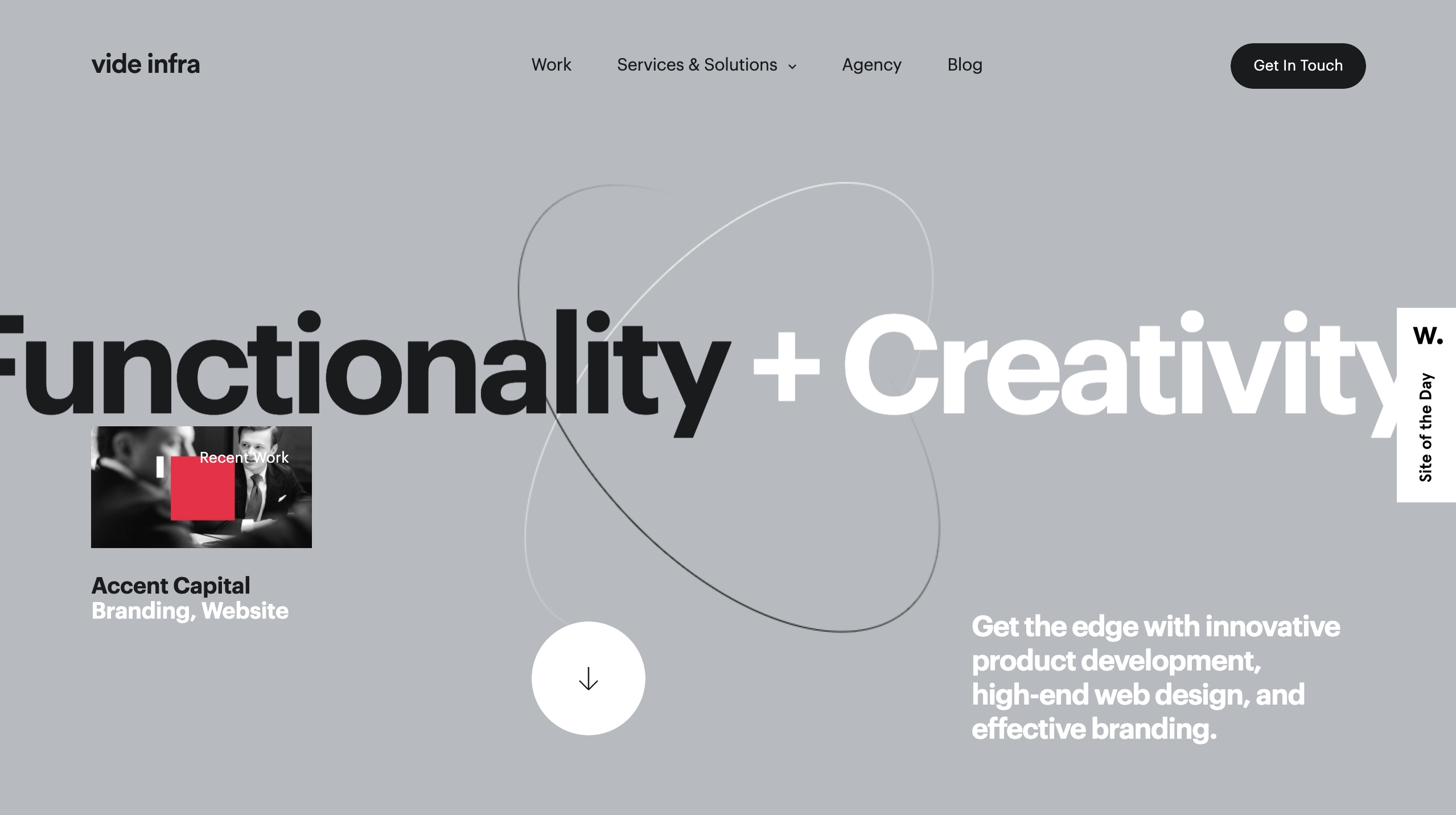
Bold Typography
Big, bold typography made a statement in 2020 as websites used large fonts to grab attention and convey messages effectively. Creative typography choices added personality and visual interest to web pages, making content more engaging.
Immersive Multimedia
Websites embraced immersive multimedia experiences in 2020 by incorporating videos, animations, and interactive elements to captivate visitors. Multimedia content enhanced storytelling and engagement while creating memorable user experiences.
Accessibility & Inclusivity
Inclusivity took centre stage in website design trends of 2020 as designers focused on creating accessible interfaces for all users, including those with disabilities. Websites implemented features like alt text for images and keyboard navigation for improved accessibility.
Sustainability & Eco-Friendly Design
Eco-consciousness influenced website design trends in 2020, with an emphasis on sustainability and eco-friendly practices. Websites showcased environmentally friendly initiatives through green colour palettes, recycled materials imagery, and messaging promoting sustainability.
As we reflect on the best website design trends of 2020, it’s evident that creativity, innovation, and user-centric approaches shaped the digital landscape throughout the year. By embracing these trends and staying ahead of the curve in web design practices, businesses can create compelling online experiences that resonate with their target audience.
Top 5 Frequently Asked Questions on Leading Website Design Trends of 2020
- What are the key website design trends that dominated 2020?
- How important is dark mode in website design for 2020?
- Why is mobile-first design crucial for websites in 2020?
- What role does minimalism play in modern website design trends of 2020?
- How can websites incorporate sustainability and eco-friendly practices in their design for 2020?
What are the key website design trends that dominated 2020?
In 2020, several key website design trends dominated the digital landscape, shaping the way websites engage and interact with users. From the rise of dark mode design for a sleek and modern aesthetic to the emphasis on minimalism with clean layouts and simple navigation, the year saw a shift towards user-centric experiences. Mobile-first design became imperative as mobile traffic continued to surge, prompting websites to prioritise responsive layouts and intuitive mobile interfaces. Bold typography made a statement by capturing attention and conveying messages effectively, while immersive multimedia elements such as videos and animations enhanced storytelling. Accessibility and inclusivity also took precedence, with a focus on creating accessible interfaces for all users. Sustainability and eco-friendly design emerged as important themes, showcasing websites’ commitment to environmental consciousness through green initiatives and messaging promoting sustainability. These trends collectively shaped the best website designs of 2020, highlighting the importance of creativity, innovation, and user experience in web design practices.
How important is dark mode in website design for 2020?
Dark mode in website design emerged as a significant trend in 2020, offering both aesthetic appeal and practical benefits. With its sleek and modern appearance, dark mode not only provides a visually striking experience but also reduces eye strain, particularly in low-light environments. This design choice has gained traction among users who appreciate the option for a darker colour scheme. Implementing dark mode in website design can enhance user experience, improve readability, and create a unique visual identity for a website. In 2020, the importance of dark mode in website design was evident as it catered to user preferences and contributed to the overall usability and attractiveness of websites.
Why is mobile-first design crucial for websites in 2020?
In 2020, mobile-first design has emerged as a crucial aspect of website development due to the exponential growth of mobile device usage. With a significant portion of internet traffic originating from smartphones and tablets, prioritising mobile-friendly design ensures optimal user experience across various devices. Mobile-first design not only enhances accessibility and usability but also contributes to improved search engine rankings, as search engines like Google favour mobile-responsive websites. By adopting a mobile-first approach, websites can cater to the preferences and behaviours of modern users who increasingly rely on their mobile devices for browsing, shopping, and accessing information on the go.
What role does minimalism play in modern website design trends of 2020?
Minimalism plays a significant role in modern website design trends of 2020 by focusing on simplicity, clarity, and functionality. Minimalist design principles emphasise clean layouts, ample white space, and straightforward navigation, allowing for a streamlined user experience. By eliminating unnecessary elements and distractions, minimalist websites enhance visual appeal and readability while conveying information effectively. In a digital landscape saturated with content, minimalism helps websites stand out by creating a sense of elegance, sophistication, and modernity that resonates with users seeking intuitive and visually pleasing online experiences.
How can websites incorporate sustainability and eco-friendly practices in their design for 2020?
In response to the frequently asked question on how websites can incorporate sustainability and eco-friendly practices in their design for 2020, there are several strategies that web designers can implement. One approach is to use a minimalist design with a focus on reducing visual clutter and unnecessary elements, which not only enhances user experience but also reduces the website’s carbon footprint. Incorporating eco-friendly colours, such as green tones or earthy hues, can convey a sense of environmental consciousness. Optimising images and multimedia content for faster loading times can improve energy efficiency and reduce server strain. Additionally, integrating renewable energy icons or badges to promote sustainability initiatives can raise awareness and encourage eco-friendly behaviours among website visitors. By adopting these sustainable design practices, websites can contribute to a greener digital environment in 2020 and beyond.