
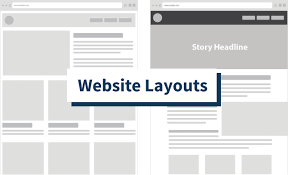
The Importance of Website Layout
When it comes to creating a successful website, one of the key elements that can make or break user experience is the layout. Website layout refers to the arrangement of various elements on a web page, including text, images, navigation menus, and other interactive features.
A well-thought-out website layout is crucial for several reasons:
User Experience (UX)
The layout of a website directly impacts how users interact with it. A clear and intuitive layout can guide visitors to the information they are seeking, improving their overall experience and increasing the likelihood of them staying on the site longer.
Visual Appeal
An aesthetically pleasing layout can capture users’ attention and create a positive first impression. Consistent branding, balanced design elements, and strategic use of white space all contribute to a visually appealing website layout.
Navigation
Effective website layout facilitates easy navigation. Clear menu structures, logical placement of links and buttons, and intuitive user pathways help visitors find what they need quickly and efficiently.
Responsiveness
In today’s mobile-centric world, responsive website layouts are essential. A responsive design ensures that your site looks and functions optimally across various devices and screen sizes, providing a seamless experience for all users.
SEO Benefits
A well-organised website layout can also benefit your search engine optimisation (SEO) efforts. Search engines favour sites with clear structure and easy-to-follow navigation, which can improve your site’s visibility in search results.
In conclusion, paying attention to your website layout is paramount for creating a user-friendly, visually appealing, and functional online presence. By investing in a well-designed layout, you can enhance user experience, drive engagement, and ultimately achieve your digital goals.
Understanding Website Layouts: Answers to 9 Common Questions
- What is the layout of a website?
- What are the 3 parts of a website layout?
- What is the best layout for websites?
- What is the best layout for website design?
- What is layout on a website?
- What are examples of page layout?
- What makes a good website layout?
- What are the 7 parts of website?
- What are the 5 basic parts of a website?
What is the layout of a website?
The layout of a website refers to the arrangement and structure of its various elements, such as text, images, navigation menus, and interactive features. It encompasses how these components are organised on each web page to create a visually appealing and user-friendly design. A well-planned website layout ensures that information is presented in a logical and intuitive manner, guiding visitors through the site seamlessly. By considering factors like visual hierarchy, white space usage, and responsive design principles, website owners can enhance user experience, improve navigation, and establish a cohesive online presence that resonates with their target audience.
What are the 3 parts of a website layout?
When considering the structure of a website layout, it typically consists of three main components: the header, the body content, and the footer. The header section is located at the top of the webpage and often contains the website’s logo, navigation menu, and any essential contact information. The body content area is where the main information, images, and interactive elements are displayed to engage visitors. Lastly, the footer appears at the bottom of the page and usually includes additional navigation links, copyright details, and sometimes social media links. These three parts work together to create a cohesive and user-friendly website layout that enhances both functionality and aesthetics.
What is the best layout for websites?
When it comes to determining the best layout for websites, there is no one-size-fits-all answer. The ideal website layout depends on various factors, including the nature of the content, target audience, and overall goals of the website. However, a good website layout typically prioritises user experience by ensuring easy navigation, clear information hierarchy, and visually appealing design elements. It is essential to strike a balance between functionality and aesthetics to create a layout that not only looks great but also enhances usability and engagement for visitors. Conducting thorough research, testing different layouts, and gathering feedback from users can help determine the most effective website layout tailored to specific needs and objectives.
What is the best layout for website design?
When it comes to determining the best layout for website design, there is no one-size-fits-all answer. The ideal layout varies depending on the specific goals, content, and target audience of each website. However, some common principles can guide designers in creating effective layouts. A clean and intuitive layout that prioritises user experience, incorporates responsive design for mobile compatibility, maintains visual consistency with branding elements, and ensures easy navigation can often lead to a successful website design. Ultimately, the best layout is one that aligns closely with the website’s objectives and enhances the overall user journey.
What is layout on a website?
Website layout refers to the arrangement and organisation of various elements on a web page, such as text, images, navigation menus, and interactive features. It plays a crucial role in determining how information is presented to users and how they navigate through the site. A well-designed layout ensures that content is structured in a logical and visually appealing manner, enhancing user experience and engagement. By strategically placing elements on the page and creating an intuitive flow, website layouts aim to guide visitors towards their desired information efficiently. In essence, the layout of a website sets the foundation for effective communication between the site and its users, ultimately shaping their overall interaction with the online platform.
What are examples of page layout?
When discussing examples of page layout in website design, it’s important to consider various common structures that help organise content effectively. One prevalent example is the “F-pattern layout,” where users tend to scan content in an F-shaped pattern, focusing on the top and left side of the page. Another popular layout is the “Z-pattern layout,” which guides users’ eyes in a diagonal path across the page, ideal for highlighting key information. Grid layouts, with their structured and symmetrical arrangement of content blocks, offer a clean and organised design aesthetic. Additionally, full-screen layouts provide a visually impactful experience by maximising screen real estate and immersing users in the content. These examples demonstrate how different page layouts can influence user engagement and overall website usability.
What makes a good website layout?
When considering what makes a good website layout, several key factors come into play. Firstly, a good website layout should be visually appealing and engaging, capturing the user’s attention from the moment they land on the page. Clear and intuitive navigation is essential, guiding visitors to important information with ease. Consistency in design elements and branding helps establish credibility and reinforces brand identity. A responsive layout that adapts seamlessly to different devices ensures a consistent user experience across all platforms. Furthermore, prioritising user experience by organising content logically, using whitespace effectively, and maintaining a balance between text and visuals all contribute to a successful website layout. Ultimately, a good website layout combines aesthetics with functionality to create an engaging and user-friendly online environment.
What are the 7 parts of website?
When considering the components that make up a website, it is essential to understand the seven key parts that collectively contribute to its structure and functionality. These parts typically include the homepage, which serves as the initial point of entry and often provides an overview of the site’s content. Following this, there are sections such as navigation menus, headers, footers, sidebars, content areas, and contact forms. Each of these elements plays a crucial role in guiding users through the site, highlighting important information, and facilitating interaction. By ensuring that these seven parts are well-designed and seamlessly integrated, a website can effectively engage visitors and deliver a positive user experience.
What are the 5 basic parts of a website?
When considering the fundamental components of a website, it is essential to identify the five basic parts that form its structure and functionality. These include the homepage, which serves as the virtual front door to the site and often provides an overview of its content. The navigation menu plays a crucial role in guiding users through different sections of the website, allowing for easy access to information. Content pages contain the main text, images, and multimedia elements that convey the site’s message or purpose. Contact pages enable visitors to connect with the website owner or company, fostering communication and engagement. Lastly, the footer section typically includes important links, copyright information, and other details that enhance user experience and provide additional resources. Understanding these key components is vital for creating a well-organised and user-friendly website layout.