
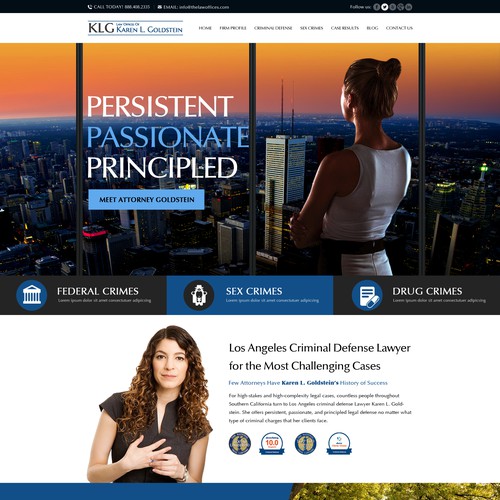
The Importance of Law Firm Web Design
In today’s digital age, having a strong online presence is essential for businesses across all industries, including law firms. A well-designed website not only serves as a virtual storefront but also acts as a powerful marketing tool that can attract new clients and establish credibility in the legal field.
Key Elements of Effective Law Firm Web Design
When it comes to designing a website for a law firm, several key elements should be considered to ensure its effectiveness:
- Professionalism: A law firm website should exude professionalism and instil trust in visitors. Clean and modern design elements, high-quality images, and concise content can help convey a sense of credibility.
- User-Friendly Navigation: Easy navigation is crucial for users to find the information they need quickly. Clear menu structures, intuitive search functions, and prominent contact details are essential for a positive user experience.
- Mobile Responsiveness: With the increasing use of mobile devices, it is imperative that a law firm website is optimised for mobile responsiveness. This ensures that the site looks and functions well on smartphones and tablets.
- Content Quality: Informative and engaging content is key to attracting and retaining visitors. Providing valuable resources such as blog posts, legal articles, and case studies can showcase expertise and position the firm as an authority in the legal industry.
- Call-to-Action (CTA) Buttons: Well-placed call-to-action buttons prompt visitors to take specific actions, such as contacting the firm for a consultation or signing up for a newsletter. CTAs help drive conversions and lead generation.
The Benefits of Effective Law Firm Web Design
An effectively designed website for a law firm offers numerous benefits:
- Increased Visibility: A well-designed website can improve search engine rankings, making it easier for potential clients to find the firm online.
- Credibility Building: A professional-looking website instils confidence in visitors and establishes credibility for the law firm.
- Lead Generation: By providing valuable information and clear calls-to-action, a website can generate leads and convert visitors into clients.
- Brand Awareness: A visually appealing website helps in building brand awareness and distinguishes the law firm from competitors.
- Cross-Platform Accessibility: With responsive design, the website can be accessed seamlessly across various devices, ensuring a consistent user experience.
In conclusion, investing in effective web design is crucial for law firms looking to succeed in today’s digital landscape. By prioritising professionalism, user experience, quality content, and mobile responsiveness, law firms can create an online presence that attracts clients and enhances their reputation in the legal industry.
7 Essential Tips for Effective Law Firm Web Design
- Ensure a professional and visually appealing design that reflects the firm’s brand.
- Include easy navigation to help visitors find information quickly.
- Optimize the website for mobile devices to reach a wider audience.
- Highlight the firm’s expertise, experience, and successful case studies.
- Incorporate clear calls-to-action to encourage visitor engagement.
- Maintain updated content, such as blog posts and legal resources, to showcase expertise.
- Ensure compliance with data protection laws and include a privacy policy.
Ensure a professional and visually appealing design that reflects the firm’s brand.
It is essential for a law firm’s website to ensure a professional and visually appealing design that accurately reflects the firm’s brand identity. A well-crafted design not only conveys a sense of credibility and trustworthiness but also helps establish a strong brand presence in the competitive legal industry. By incorporating elements such as cohesive colour schemes, high-quality imagery, and consistent branding elements, a law firm can create a memorable and impactful online experience for visitors, leaving a lasting impression that aligns with the firm’s values and reputation.
Include easy navigation to help visitors find information quickly.
In law firm web design, incorporating easy navigation is essential to assist visitors in locating information swiftly and efficiently. Clear menu structures, intuitive search functions, and prominent contact details contribute to a positive user experience by enabling users to easily access the desired content without unnecessary hassle. Simplifying navigation not only enhances user satisfaction but also reflects the firm’s commitment to providing accessible and convenient online resources for potential clients.
Optimize the website for mobile devices to reach a wider audience.
To maximise the reach and accessibility of a law firm’s online presence, it is crucial to optimise the website for mobile devices. With the increasing use of smartphones and tablets, ensuring that the website is responsive and user-friendly on mobile platforms can significantly expand the firm’s audience reach. By providing a seamless browsing experience across various devices, including mobile phones, law firms can cater to a wider demographic and engage potential clients who prefer to access information on the go. Prioritising mobile optimization in web design not only enhances user experience but also boosts visibility and engagement, ultimately leading to increased client conversions and business growth.
Highlight the firm’s expertise, experience, and successful case studies.
When designing a website for a law firm, it is crucial to highlight the firm’s expertise, experience, and successful case studies. By prominently showcasing the firm’s areas of expertise, years of experience, and past successful cases, potential clients can gain confidence in the firm’s capabilities and trust in its ability to handle their legal matters effectively. Providing real-life examples through case studies not only demonstrates the firm’s track record of success but also helps potential clients understand the value and outcomes the firm can deliver. This emphasis on expertise, experience, and case studies can set the law firm apart from competitors and attract clients seeking knowledgeable and proven legal representation.
Incorporate clear calls-to-action to encourage visitor engagement.
Incorporating clear calls-to-action on a law firm website is essential to encourage visitor engagement and prompt them to take specific actions, such as contacting the firm for legal services or signing up for a consultation. By strategically placing prominent call-to-action buttons throughout the site, law firms can guide visitors towards desired outcomes, ultimately enhancing user experience and increasing conversion rates. Clear and compelling calls-to-action serve as effective prompts that help visitors navigate the website with purpose and drive them towards taking the next step in their legal journey.
Maintain updated content, such as blog posts and legal resources, to showcase expertise.
To enhance the credibility and expertise of a law firm website, it is crucial to maintain updated content, including blog posts and legal resources. By regularly sharing insightful articles, case studies, and legal updates, law firms can showcase their knowledge and proficiency in the field. This not only demonstrates a commitment to staying current with industry trends but also provides valuable resources for visitors seeking information or legal guidance. Keeping the content fresh and relevant helps establish trust with potential clients and positions the firm as a reputable authority in the legal domain.
Ensure compliance with data protection laws and include a privacy policy.
When designing a website for a law firm, it is crucial to ensure compliance with data protection laws and include a comprehensive privacy policy. By prioritising data security and transparency in handling personal information, law firms can build trust with their website visitors and demonstrate a commitment to safeguarding sensitive data. A well-crafted privacy policy not only helps the firm adhere to legal requirements but also reassures clients that their privacy is respected and protected, ultimately enhancing the firm’s credibility and reputation in the digital realm.