
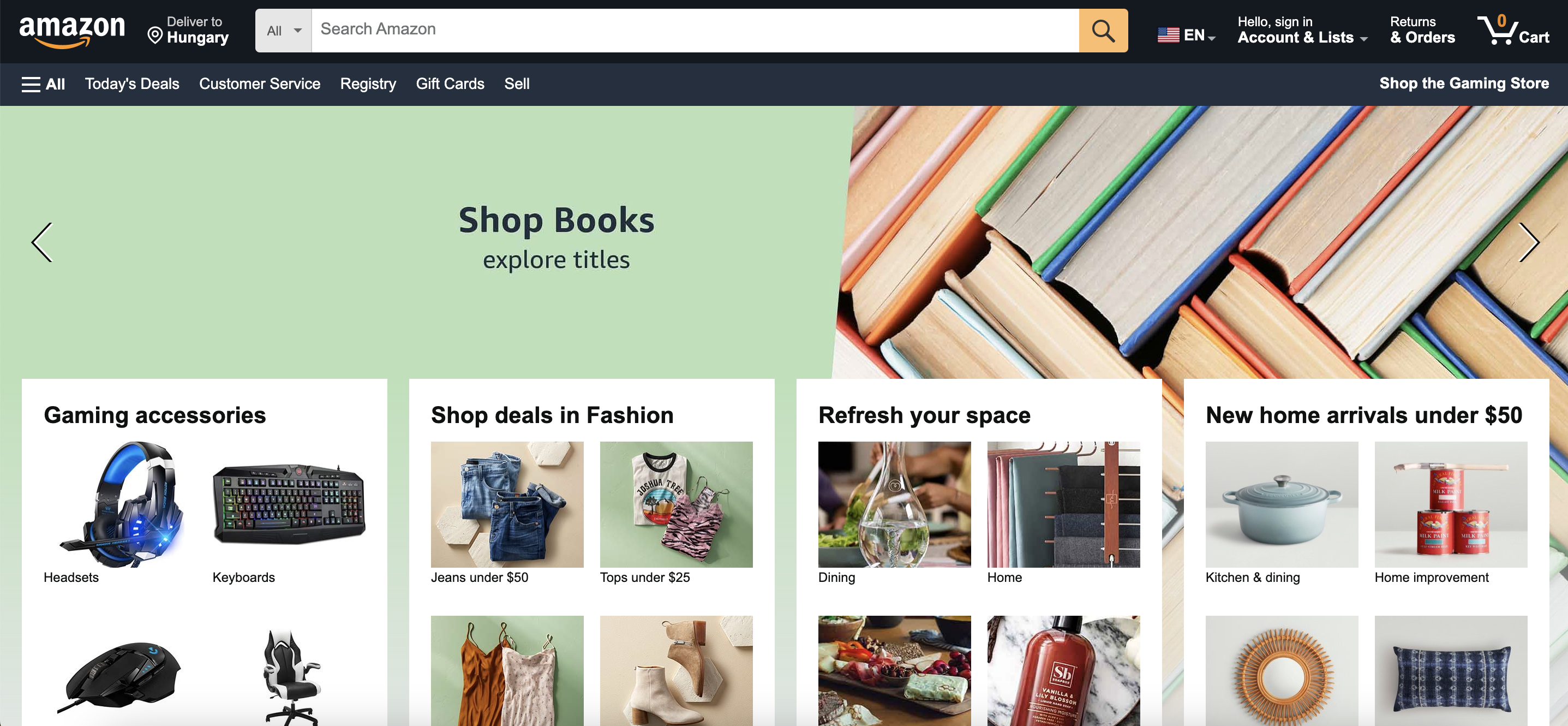
The Power of Ecommerce Websites
In today’s digital age, ecommerce websites have revolutionised the way people shop and do business. With the click of a button, consumers can browse through a vast array of products, make purchases, and have them delivered right to their doorstep. This convenience has made ecommerce websites a vital tool for businesses looking to reach a wider audience and increase sales.
Benefits of Ecommerce Websites
Global Reach: One of the key advantages of ecommerce websites is the ability to reach customers beyond geographical boundaries. Businesses can now tap into international markets and connect with a diverse range of consumers.
24/7 Availability: Unlike traditional brick-and-mortar stores, ecommerce websites are open 24 hours a day, 7 days a week. This means that customers can shop at their convenience, leading to increased sales opportunities for businesses.
Cost-Effective: Setting up an ecommerce website is often more cost-effective than establishing a physical store. Businesses can save on overhead costs such as rent, utilities, and staffing while still reaching a wide customer base.
Key Features of Successful Ecommerce Websites
User-Friendly Interface: A well-designed user interface that is easy to navigate plays a crucial role in keeping customers engaged and encouraging them to make purchases.
Secure Payment Gateway: Customers value security when making online transactions. Implementing a secure payment gateway instils trust and confidence in buyers, leading to higher conversion rates.
Mobile Responsiveness: With the increasing use of smartphones for online shopping, it is essential for ecommerce websites to be optimised for mobile devices. Responsive design ensures seamless browsing across different screen sizes.
The Future of Ecommerce
The future of ecommerce looks promising as technology continues to evolve. Advancements such as AI-driven personalisation, augmented reality shopping experiences, and voice commerce are shaping the way consumers interact with online stores. Businesses that adapt to these trends will stay ahead in the competitive ecommerce landscape.
Essential FAQs About Ecommerce Websites: Understanding, Building, and Optimising Your Online Store
- What is an ecommerce website?
- How do ecommerce websites work?
- What are the benefits of having an ecommerce website?
- How can I set up an ecommerce website?
- What features should I look for in an ecommerce platform?
- How can I ensure the security of my ecommerce website?
- What is the role of SEO in driving traffic to an ecommerce website?
- How can I integrate payment gateways on my ecommerce site?
- What are some common challenges faced by ecommerce websites?
What is an ecommerce website?
An ecommerce website is an online platform that allows businesses to sell products or services over the internet. It serves as a virtual storefront where customers can browse through a catalogue of items, add them to a digital shopping cart, and complete transactions securely. Ecommerce websites typically feature product listings, pricing information, payment gateways, and order management systems to facilitate seamless online shopping experiences. By leveraging the power of digital technology, ecommerce websites enable businesses to reach a global audience, increase sales opportunities, and provide customers with the convenience of shopping from anywhere at any time.
How do ecommerce websites work?
Ecommerce websites function as online platforms where businesses showcase and sell their products or services to customers. These websites typically feature a user-friendly interface that allows visitors to browse through a catalogue of items, add desired products to a virtual shopping cart, and proceed to checkout by entering payment and shipping information. Behind the scenes, ecommerce websites utilise secure payment gateways to process transactions and ensure customer data protection. Once an order is placed, the website generates notifications for both the customer and the seller, facilitating efficient order processing and shipment tracking. Overall, ecommerce websites streamline the buying process, offering convenience and accessibility to both businesses and consumers in the digital marketplace.
What are the benefits of having an ecommerce website?
Having an ecommerce website offers a multitude of benefits for businesses seeking to expand their online presence and reach a wider audience. Some key advantages include the ability to reach customers globally, operate 24/7 without time constraints, and reduce costs associated with traditional brick-and-mortar stores. Additionally, ecommerce websites provide a user-friendly shopping experience, secure payment options, and mobile responsiveness, all of which contribute to increased sales and customer satisfaction. Embracing the opportunities afforded by ecommerce websites can lead to enhanced brand visibility, improved customer engagement, and sustainable growth in the digital marketplace.
How can I set up an ecommerce website?
Setting up an ecommerce website involves several key steps to ensure a successful online presence. Firstly, you need to choose a reliable ecommerce platform that aligns with your business needs, such as Shopify, WooCommerce, or Magento. Next, you will need to register a domain name and select a secure web hosting provider to ensure your website is accessible and protected. Designing an attractive and user-friendly interface is crucial for engaging customers and driving sales. Integrating secure payment gateways and implementing robust cybersecurity measures are essential to safeguard customer data. Lastly, regularly updating your product listings, optimising for search engines, and promoting your site through digital marketing strategies will help attract traffic and boost conversions on your ecommerce platform.
What features should I look for in an ecommerce platform?
When considering an ecommerce platform, it is essential to look for features that align with your business goals and customer needs. Key features to consider include a user-friendly interface for seamless navigation, robust security measures to protect customer data, flexible payment options to accommodate diverse preferences, responsive design for optimal viewing on all devices, and scalability to support business growth. Additionally, integrations with marketing tools, inventory management systems, and analytics capabilities can enhance the overall functionality of the platform. By prioritising these features, businesses can create a successful online presence that drives sales and fosters customer loyalty.
How can I ensure the security of my ecommerce website?
Ensuring the security of your ecommerce website is paramount in building trust with your customers and safeguarding sensitive information. To enhance security, consider implementing SSL encryption to protect data transmitted between the user’s browser and your server. Regularly update your website’s software and plugins to patch vulnerabilities that could be exploited by hackers. Utilise strong password protocols, employ firewalls, and conduct regular security audits to identify and address potential threats proactively. Additionally, consider investing in a reputable payment gateway provider that complies with industry standards for secure online transactions. By prioritising security measures and staying vigilant against cyber threats, you can instil confidence in your customers and protect the integrity of your ecommerce platform.
What is the role of SEO in driving traffic to an ecommerce website?
Search Engine Optimization (SEO) plays a vital role in driving traffic to an ecommerce website by enhancing its visibility and ranking on search engine results pages. By strategically incorporating relevant keywords, optimizing meta tags, improving site speed, and creating high-quality content, an ecommerce site can attract organic traffic from users actively searching for products or services offered. Effective SEO practices not only increase the website’s visibility but also improve its credibility and trustworthiness in the eyes of both search engines and potential customers, ultimately leading to higher conversion rates and increased revenue for the online business.
How can I integrate payment gateways on my ecommerce site?
Integrating payment gateways on your ecommerce site is a crucial step in enabling secure online transactions for your customers. To seamlessly incorporate payment gateways, you can start by selecting a reputable payment service provider that aligns with your business needs and customer preferences. Most payment gateway providers offer easy-to-follow integration guides and APIs that allow you to connect their services to your website’s checkout process. By following the provider’s instructions and customising the integration to match your branding and user experience, you can ensure a smooth and reliable payment process for your customers, boosting trust and driving conversions on your ecommerce site.
What are some common challenges faced by ecommerce websites?
Running an ecommerce website comes with its fair share of challenges. Some common hurdles faced by online retailers include fierce competition in crowded marketplaces, ensuring a seamless and secure online shopping experience for customers, managing inventory effectively to prevent stockouts or overstocking, navigating complex shipping and logistics processes to deliver orders promptly, and staying abreast of ever-changing digital marketing trends to drive traffic and conversions. Overcoming these challenges requires strategic planning, continuous adaptation to market dynamics, and a customer-centric approach to meet the evolving needs and expectations of online shoppers.