
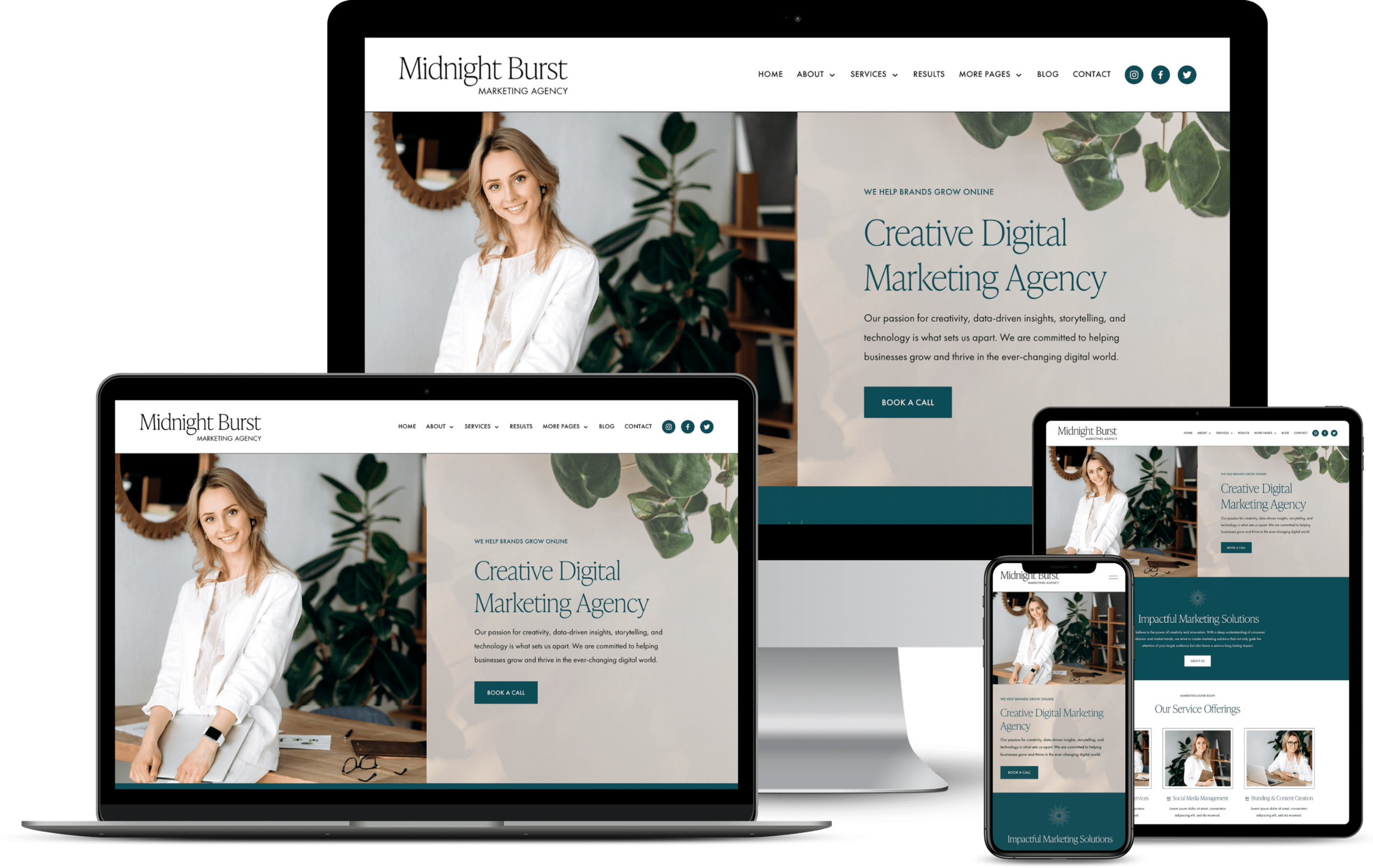
The Art of Designer Websites
In today’s digital age, having a visually appealing and user-friendly website is crucial for businesses and individuals alike. A well-designed website not only captures the attention of visitors but also conveys professionalism and credibility.
Designer websites go beyond just aesthetics; they are crafted with a keen eye for detail, usability, and brand identity. Designers understand the importance of creating a seamless user experience that guides visitors through the site effortlessly.
From choosing the right colour palette to selecting typography that reflects the brand’s personality, every element on a designer website is thoughtfully curated to create a cohesive and engaging online presence.
Responsive design is another key aspect of designer websites. With the increasing use of mobile devices, it’s essential for websites to adapt to different screen sizes and resolutions. Designers ensure that websites look and function flawlessly across all devices, providing users with a consistent experience.
Furthermore, designer websites prioritise accessibility and usability. Clear navigation, intuitive layouts, and fast loading times are all factors that contribute to a positive user experience. Designers pay attention to these details to ensure that visitors can easily find what they’re looking for without any frustration.
Overall, designer websites are not just about looking good; they are about creating meaningful connections with users, conveying brand messages effectively, and ultimately driving success in the digital world.
Enhancing Brand Success: The Top 6 Advantages of Designer Websites
- Visually appealing and engaging design that captures visitors’ attention.
- Reflects professionalism and credibility, enhancing brand image.
- Thoughtfully curated elements for a cohesive and branded online presence.
- Responsive design ensures seamless user experience across all devices.
- Prioritises accessibility and usability for easy navigation and information retrieval.
- Effective in creating meaningful connections with users and driving digital success.
Seven Drawbacks of Designer Websites: Balancing Cost, Functionality, and Usability
- 1. Costly to develop and maintain due to the need for professional design expertise.
- 2. Design changes may require additional time and resources, especially for complex websites.
- 3. Overemphasis on aesthetics can sometimes compromise usability and functionality.
- 4. Custom designs may limit scalability and flexibility for future updates or expansions.
- 5. Designers’ subjective preferences may not always align with target audience preferences.
- 6. High-quality design assets can lead to longer loading times, affecting user experience.
- 7. Finding a skilled designer who understands your vision and requirements can be challenging.
Visually appealing and engaging design that captures visitors’ attention.
One of the key advantages of designer websites is their visually appealing and engaging design that captivates visitors from the moment they land on the site. Through thoughtful use of colours, typography, imagery, and layout, designers create a visually stunning environment that not only attracts attention but also keeps visitors engaged. This captivating design not only enhances the overall aesthetics of the website but also helps in conveying the brand’s personality and message effectively to the audience. By capturing visitors’ attention with an eye-catching design, designer websites leave a lasting impression and encourage further exploration of the site’s content and offerings.
Reflects professionalism and credibility, enhancing brand image.
A significant advantage of designer websites is their ability to reflect professionalism and credibility, thereby enhancing the brand image of businesses and individuals. Through thoughtful design elements, such as cohesive branding, intuitive navigation, and visually appealing layouts, designer websites establish a sense of trust and reliability with visitors. This professional appearance not only leaves a lasting impression but also instils confidence in the brand, ultimately contributing to a positive perception and reputation in the online sphere.
Thoughtfully curated elements for a cohesive and branded online presence.
Designer websites excel in thoughtfully curating elements to create a cohesive and branded online presence. By carefully selecting colours, typography, imagery, and layout, designers ensure that every aspect of the website aligns with the brand’s identity and message. This attention to detail not only enhances the visual appeal of the site but also establishes a strong brand presence that resonates with visitors. A cohesive and branded online presence sets designer websites apart, leaving a lasting impression and fostering trust and recognition among users.
Responsive design ensures seamless user experience across all devices.
One of the key advantages of designer websites is their implementation of responsive design, which guarantees a seamless user experience across all devices. By adapting to various screen sizes and resolutions, designer websites ensure that visitors can access and interact with the content effortlessly, whether they are using a desktop computer, a tablet, or a smartphone. This responsiveness not only enhances user satisfaction but also reflects a commitment to inclusivity and accessibility in the digital realm.
Prioritises accessibility and usability for easy navigation and information retrieval.
One significant advantage of designer websites is their emphasis on accessibility and usability, ensuring easy navigation and information retrieval for users. By prioritising these aspects, designer websites enhance the overall user experience, making it effortless for visitors to find the information they need quickly and efficiently. This focus on accessibility not only improves user satisfaction but also reinforces the website’s credibility and effectiveness in delivering content to a diverse audience.
Effective in creating meaningful connections with users and driving digital success.
Designer websites excel in creating meaningful connections with users, fostering engagement, trust, and loyalty. By crafting visually appealing and user-friendly interfaces, designers can evoke emotions and establish a strong brand identity that resonates with the target audience. This connection goes beyond aesthetics; it extends to providing a seamless user experience that guides visitors through the site effortlessly. By prioritising user engagement and satisfaction, designer websites not only enhance the overall digital experience but also contribute to driving success in the competitive online landscape.
1. Costly to develop and maintain due to the need for professional design expertise.
One significant drawback of designer websites is the high cost associated with their development and maintenance. The necessity for professional design expertise means that businesses and individuals may have to allocate a substantial budget to create and upkeep a visually appealing and functional website. Designers with the required skills and experience command higher fees, increasing the overall expenses involved in building and managing a designer website. Additionally, ongoing maintenance costs can accumulate over time, making it challenging for smaller businesses or individuals with limited resources to afford the level of design quality required for a successful online presence.
2. Design changes may require additional time and resources, especially for complex websites.
One significant drawback of designer websites is that implementing design changes can often be a time-consuming and resource-intensive process, particularly for complex websites. When alterations are needed, such as modifying the layout, colour scheme, or overall design elements, it may require extensive planning, coding, and testing to ensure that the changes are seamlessly integrated without impacting the functionality of the site. This can lead to delays in project timelines and additional costs as designers and developers invest extra time and effort to execute these modifications effectively.
3. Overemphasis on aesthetics can sometimes compromise usability and functionality.
One notable drawback of designer websites is that an excessive focus on aesthetics can occasionally lead to a compromise in usability and functionality. When designers prioritise visual appeal over user experience, it can result in intricate designs that may look impressive but prove challenging for visitors to navigate or interact with efficiently. This imbalance between aesthetics and functionality can hinder the overall effectiveness of the website, potentially leading to user frustration and decreased engagement. Striking the right balance between aesthetics and usability is essential to ensure that a website not only looks visually appealing but also functions seamlessly to provide a positive experience for visitors.
4. Custom designs may limit scalability and flexibility for future updates or expansions.
One significant drawback of designer websites is that custom designs, while visually appealing and unique, can potentially limit scalability and flexibility for future updates or expansions. When websites are heavily customised, making changes or adding new features down the line may require more time and resources due to the intricate nature of the design. This can hinder the website’s ability to adapt to evolving business needs or technological advancements efficiently, potentially leading to delays in updates or expansions that could impact the site’s overall performance and user experience.
5. Designers’ subjective preferences may not always align with target audience preferences.
One notable drawback of designer websites is that designers’ subjective preferences may not always align with the preferences of the target audience. Designers, driven by their creativity and personal style, may sometimes prioritise aesthetics that resonate more with their own tastes rather than those of the intended users. This mismatch can lead to a disconnect between the website’s design and what appeals to the target audience, potentially resulting in reduced user engagement and conversion rates. It is essential for designers to strike a balance between their creative vision and understanding the preferences and expectations of the target audience to ensure a successful and effective website design.
6. High-quality design assets can lead to longer loading times, affecting user experience.
One significant drawback of designer websites is that the use of high-quality design assets, such as images and videos, can result in longer loading times, potentially impacting user experience. While visually stunning elements enhance the aesthetics of a website, they may slow down the loading speed, leading to user frustration and potential abandonment. Balancing the need for captivating design assets with optimal loading times is crucial to ensure a seamless browsing experience for visitors.
7. Finding a skilled designer who understands your vision and requirements can be challenging.
Finding a skilled designer who truly comprehends your vision and specific requirements can present a significant challenge when it comes to designer websites. Effective communication and alignment of creative ideas between the client and the designer are essential for the successful execution of a website project. Without a deep understanding of the client’s vision, goals, and brand identity, it can be difficult to create a website that accurately reflects and enhances the client’s unique essence. This hurdle underscores the importance of thorough research and collaboration to ensure that the final design aligns with the client’s expectations and objectives.