
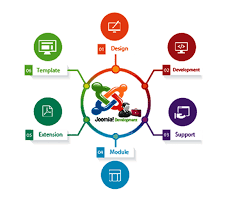
The Power of Joomla Web Design
In the world of web design and development, Joomla stands out as a powerful and versatile content management system (CMS) that empowers businesses and individuals to create stunning websites with ease. With its user-friendly interface, extensive customisation options, and robust features, Joomla has become a popular choice for those looking to establish a strong online presence.
Why Choose Joomla for Your Website?
Joomla offers a plethora of benefits that make it an ideal platform for web design:
- Flexibility: Joomla’s modular architecture allows for easy customisation and scalability, making it suitable for websites of all sizes.
- Responsive Design: With built-in responsive design capabilities, Joomla ensures your website looks great on any device, from desktops to smartphones.
- SEO-Friendly: Joomla is designed with search engine optimisation (SEO) in mind, helping your website rank higher in search engine results.
- Security: Joomla prioritises security, with regular updates and robust security features to protect your website from threats.
- Community Support: Being an open-source platform, Joomla has a vast community of developers and users who provide support and resources to help you make the most of the platform.
The Process of Joomla Web Design
Creating a website with Joomla involves the following key steps:
- Planning: Define your website’s goals, target audience, and features to create a clear roadmap for your design project.
- Design: Choose a template or create a custom design that reflects your brand identity and engages visitors effectively.
- Development: Customise your website’s layout, add content, and integrate plugins or extensions to enhance functionality.
- Testing: Thoroughly test your website across different devices and browsers to ensure optimal performance.
- Launch: Once everything is set up and tested, launch your Joomla website to make it live for the world to see.
In Conclusion
Joomla web design offers a powerful solution for creating dynamic and engaging websites that cater to modern digital demands. Whether you’re a small business looking to establish an online presence or a large enterprise seeking advanced functionalities, Joomla provides the tools you need to succeed in the competitive online landscape.
Essential Tips for Effective Joomla Web Design: Enhancing Performance and User Experience
- Choose a responsive template for your Joomla website to ensure it looks good on all devices.
- Customise the design of your Joomla site to match your brand’s colours and style.
- Optimise images and content for fast loading times to improve user experience.
- Use SEO best practices when creating content to improve search engine visibility.
- Regularly update Joomla and its extensions to enhance security and performance.
- Organise your content with categories and tags for easier navigation on your site.
- Integrate social media sharing buttons to encourage visitors to share your content.
- Test your website regularly across different browsers and devices to ensure compatibility.
Choose a responsive template for your Joomla website to ensure it looks good on all devices.
When delving into Joomla web design, a crucial tip to keep in mind is the selection of a responsive template for your website. Opting for a responsive template ensures that your Joomla site adapts seamlessly to various screen sizes and devices, guaranteeing a visually appealing and user-friendly experience for all visitors. By choosing a responsive design, you can enhance the accessibility and usability of your website across desktops, laptops, tablets, and smartphones, ultimately maximising its reach and engagement potential in today’s diverse digital landscape.
Customise the design of your Joomla site to match your brand’s colours and style.
To enhance your online presence and create a cohesive brand identity, it is essential to customise the design of your Joomla site to align with your brand’s colours and style. By incorporating your brand’s colour palette, typography, and visual elements into the website design, you can establish a consistent look and feel that resonates with your target audience. This attention to detail not only reinforces brand recognition but also helps build credibility and trust with visitors, ultimately leading to a more memorable and engaging user experience.
Optimise images and content for fast loading times to improve user experience.
To enhance user experience in Joomla web design, it is crucial to optimise images and content for fast loading times. By reducing file sizes, implementing efficient coding practices, and leveraging caching techniques, you can significantly improve the speed at which your website loads. This not only enhances user satisfaction by providing a seamless browsing experience but also contributes to better search engine rankings and increased engagement. Prioritising fast loading times demonstrates a commitment to user-centric design and ensures that visitors can access your content quickly and effortlessly.
Use SEO best practices when creating content to improve search engine visibility.
When delving into Joomla web design, it is crucial to incorporate SEO best practices while crafting content to enhance search engine visibility. By optimising content with relevant keywords, meta tags, and high-quality information, websites built on Joomla can significantly improve their ranking on search engine results pages. Implementing SEO strategies not only attracts more organic traffic but also ensures that the website is easily discoverable by potential visitors seeking relevant information or services. This approach aligns with Joomla’s SEO-friendly features and contributes to a more effective online presence for businesses and individuals alike.
Regularly update Joomla and its extensions to enhance security and performance.
To ensure the security and performance of your Joomla website, it is crucial to regularly update both the Joomla core and its extensions. By staying up-to-date with the latest releases, you can benefit from enhanced security features that protect your site from potential threats. Additionally, updates often include performance improvements that can help your website run smoothly and efficiently. By prioritising regular updates, you can maintain a secure and high-performing Joomla website that meets the needs of your visitors effectively.
Organise your content with categories and tags for easier navigation on your site.
Organising your content with categories and tags is a valuable tip in Joomla web design as it enhances the user experience by providing easier navigation on your site. By structuring your content into logical categories and assigning relevant tags, visitors can quickly locate the information they are seeking. This organisation not only improves usability but also helps with SEO, as search engines can better understand the content hierarchy on your website. Implementing this strategy ensures that users can effortlessly explore your site and find the content that resonates with their interests.
Integrate social media sharing buttons to encourage visitors to share your content.
To enhance the social reach and engagement of your Joomla website, consider integrating social media sharing buttons strategically across your content. By incorporating these buttons, you make it effortless for visitors to share your valuable content with their networks, thereby increasing visibility and driving traffic back to your site. Encouraging social sharing not only boosts your online presence but also fosters a sense of community around your brand, ultimately leading to greater exposure and interaction with your target audience.
Test your website regularly across different browsers and devices to ensure compatibility.
To ensure a seamless user experience for all visitors, it is crucial to regularly test your Joomla website across various browsers and devices. By doing so, you can identify and address any compatibility issues that may arise, ensuring that your website functions optimally regardless of the platform used to access it. Regular testing helps maintain consistency in design and functionality, ultimately enhancing user satisfaction and engagement with your site.