
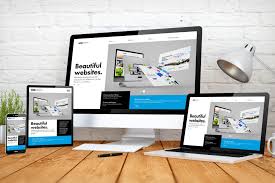
The Art of Bespoke Web Design
In a world where online presence is paramount, standing out from the crowd has never been more crucial. This is where bespoke web design comes into play, offering a tailored solution that not only meets but exceeds expectations.
Bespoke web design involves creating a website from scratch, customised to the specific needs and preferences of the client. Unlike template-based designs that offer limited flexibility, bespoke design allows for unlimited creativity and personalisation.
One of the key advantages of bespoke web design is its ability to reflect the unique identity and brand values of a business. Every element, from colour schemes to typography choices, is carefully selected to create a cohesive and impactful online presence that resonates with the target audience.
Furthermore, bespoke web design ensures optimal user experience. By tailoring the website layout and functionality to suit the target users’ behaviour and preferences, businesses can enhance engagement, increase conversions, and ultimately drive growth.
Another benefit of bespoke web design is its scalability and adaptability. As businesses evolve and grow, their websites can easily be updated and expanded to accommodate changing needs and trends. This flexibility ensures that the website remains relevant and effective in the long term.
Ultimately, bespoke web design is not just about creating a visually stunning website; it’s about crafting a digital experience that captures attention, builds trust, and drives results. With bespoke design, businesses can truly differentiate themselves in a crowded online landscape and make a lasting impression on their audience.
Crafting Bespoke Web Designs: Six Essential Tips for Success
- Understand the client’s brand and target audience thoroughly before starting the design process.
- Create a unique and visually appealing design that reflects the client’s brand identity.
- Focus on user experience (UX) to ensure the website is intuitive and easy to navigate.
- Optimise the website for various devices and screen sizes to provide a seamless user experience.
- Incorporate custom features and functionalities to meet the specific needs of the client.
- Regularly communicate with the client throughout the design process to gather feedback and make necessary adjustments.
Understand the client’s brand and target audience thoroughly before starting the design process.
Before embarking on the bespoke web design journey, it is essential to delve deep into understanding the client’s brand identity and target audience. By thoroughly grasping these key elements at the outset of the design process, designers can tailor every aspect of the website to resonate with the brand’s values and connect effectively with the intended audience. This foundational understanding not only ensures a cohesive and authentic representation of the brand but also sets the stage for a successful design that engages users and drives meaningful interactions.
Create a unique and visually appealing design that reflects the client’s brand identity.
When embarking on bespoke web design, it is essential to create a unique and visually appealing design that authentically reflects the client’s brand identity. By carefully integrating elements such as colour schemes, typography, imagery, and overall aesthetics that align with the client’s brand values and messaging, a bespoke website can effectively convey the essence of the business to its target audience. This tailored approach not only enhances brand recognition but also fosters a strong connection with users, establishing credibility and setting the client apart in a competitive digital landscape.
Focus on user experience (UX) to ensure the website is intuitive and easy to navigate.
When it comes to bespoke web design, prioritising user experience (UX) is paramount to creating a successful online presence. By focusing on UX, designers can ensure that the website is not only visually appealing but also intuitive and easy to navigate for visitors. A user-centric approach guarantees that every element of the website is thoughtfully designed to enhance usability, resulting in a seamless and engaging experience that keeps users coming back for more.
Optimise the website for various devices and screen sizes to provide a seamless user experience.
To ensure a seamless user experience, it is essential to optimise the bespoke website for various devices and screen sizes. By implementing responsive design techniques, such as fluid grids and flexible images, the website can dynamically adjust its layout to fit different screen sizes, from desktops to smartphones. This approach not only enhances usability but also demonstrates a commitment to providing a consistent and user-friendly experience across all devices, ultimately improving engagement and satisfaction among visitors.
Incorporate custom features and functionalities to meet the specific needs of the client.
In bespoke web design, a crucial tip is to incorporate custom features and functionalities tailored to meet the specific needs of the client. By understanding the unique requirements and objectives of the client, customised elements can be integrated into the website to enhance user experience, streamline processes, and achieve desired outcomes. This personalised approach not only sets the website apart from generic designs but also ensures that it aligns perfectly with the client’s vision and goals, ultimately leading to a more effective and engaging online presence.
Regularly communicate with the client throughout the design process to gather feedback and make necessary adjustments.
Regular communication with the client throughout the bespoke web design process is essential for achieving a successful outcome. By actively gathering feedback and making necessary adjustments based on client input, designers can ensure that the final product aligns with the client’s vision and objectives. This iterative approach not only fosters collaboration and transparency but also allows for a more tailored and effective end result that meets the client’s needs and expectations.