
The Benefits of White Label Web Design
White label web design has become increasingly popular in the digital industry, offering a range of benefits for businesses looking to expand their service offerings without the need for in-house expertise. So, what exactly is white label web design and why should you consider it?
What is White Label Web Design?
White label web design involves outsourcing the design and development of websites to a third-party provider who then delivers the finished product under your brand name. Essentially, you are reselling the services of another company as if they were your own.
The Benefits:
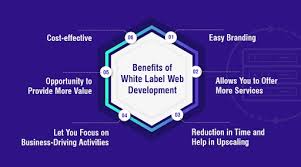
- Cost-Effective: By leveraging white label services, you can save on overhead costs associated with hiring and training in-house designers and developers.
- Time-Saving: White label web design allows you to focus on your core business activities while experts handle the technical aspects of website creation.
- Scalability: With white label services, you can easily scale your web design offerings to meet client demand without worrying about resource constraints.
- Quality Assurance: Partnering with experienced professionals ensures that you deliver high-quality websites that meet industry standards and client expectations.
- Brand Enhancement: White label web design enables you to offer a broader range of services under your brand name, enhancing your reputation and credibility in the market.
Is White Label Web Design Right for You?
If you are looking to expand your service offerings, increase efficiency, and deliver top-notch websites to your clients without investing in additional resources, then white label web design could be the perfect solution for your business.
Contact a reputable white label web design provider today to explore how this innovative approach can benefit your business and help you stay ahead in the competitive digital landscape.
Understanding White Label Web Design: Key FAQs and Insights for Businesses
- What is white label web design?
- How does white label web design differ from traditional web design services?
- What are the benefits of using white label web design?
- How can businesses leverage white label web design to enhance their service offerings?
- Are there any drawbacks or limitations to consider when opting for white label web design?
What is white label web design?
White label web design refers to the practice of outsourcing the design and development of websites to a third-party provider who then delivers the final product under your brand name. Essentially, it allows businesses to offer web design services without having to invest in an in-house design team. This approach enables companies to expand their service offerings, save on costs, and deliver high-quality websites to clients under their own branding.
How does white label web design differ from traditional web design services?
When comparing white label web design to traditional web design services, the key difference lies in the outsourcing aspect. With white label web design, businesses partner with external agencies or professionals who handle the entire design and development process on their behalf, allowing them to rebrand and resell the final product as their own. In contrast, traditional web design services involve businesses directly hiring in-house designers and developers to create custom websites from scratch. White label web design offers a cost-effective and efficient solution for businesses looking to expand their service offerings without the need for internal expertise or resources, making it a popular choice in today’s competitive digital landscape.
What are the benefits of using white label web design?
Businesses often ask about the advantages of utilising white label web design services. The key benefits include cost-effectiveness, as it allows companies to save on hiring and training expenses by outsourcing website development to experts. Additionally, white label web design saves time, enabling businesses to focus on core activities while professionals handle the technical aspects. Scalability is another advantage, as businesses can easily expand their web design offerings to meet client demands without resource limitations. Quality assurance is ensured through experienced professionals, enhancing brand reputation and credibility in the market.
How can businesses leverage white label web design to enhance their service offerings?
Businesses can leverage white label web design to enhance their service offerings by tapping into the expertise of external professionals to deliver high-quality websites under their own brand name. By partnering with a white label provider, businesses can expand their service portfolio without the need for in-house resources, thus saving time and costs associated with hiring and training additional staff. This strategic approach allows businesses to focus on their core competencies while offering clients top-notch web design solutions that meet industry standards and exceed expectations, ultimately boosting their reputation and competitiveness in the market.
Are there any drawbacks or limitations to consider when opting for white label web design?
When considering white label web design, it’s essential to acknowledge some potential drawbacks and limitations. One key aspect to be aware of is the risk of compromising on customisation and uniqueness, as white label services often involve using pre-designed templates or standardised solutions. This may result in websites that lack a truly distinctive identity tailored to a specific brand. Additionally, communication challenges can arise when working with a third-party provider, potentially leading to delays or misunderstandings if expectations are not clearly outlined from the outset. Despite these considerations, with careful planning and selection of a reputable white label partner, these drawbacks can be mitigated, allowing businesses to benefit from the efficiency and scalability that white label web design offers.