
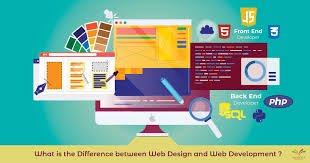
The Art of Web Design and Development
Web design and web development are two integral components that work hand in hand to create stunning and functional websites. While often used interchangeably, they represent distinct aspects of the website creation process.
Web Design
Web design focuses on the aesthetics and user experience of a website. It involves creating visually appealing layouts, selecting colour schemes, typography, and graphic elements that enhance the overall look and feel of the site. A good web designer understands the importance of user interface design and strives to create intuitive navigation for seamless user interaction.
Responsive design is another crucial aspect of web design, ensuring that websites adapt to different screen sizes and devices, providing a consistent user experience across platforms.
Web Development
Web development involves the technical implementation of a website’s design. This includes writing code in various programming languages such as HTML, CSS, JavaScript, and more to bring the design to life. Web developers work behind the scenes to ensure that websites function correctly, are interactive, and deliver a smooth user experience.
There are two main types of web development: front-end development focuses on client-side programming that users interact with directly, while back-end development deals with server-side programming that powers the website’s functionality.
The Perfect Blend
Effective web design and development go hand in hand to create websites that not only look great but also function flawlessly. Collaboration between designers and developers is key to ensuring that creative visions are brought to life while maintaining technical feasibility.
By combining innovative design concepts with robust development techniques, businesses can establish a strong online presence that engages users and drives success in the digital realm.
Top 5 FAQs on Web Design and Development: Skills, Languages, and User Experience
- What is the difference between web design and web development?
- What skills are needed for a career in web design?
- How important is responsive design in web development?
- What programming languages are commonly used in web development?
- How can I improve the user experience on my website through design and development?
What is the difference between web design and web development?
One frequently asked question in the realm of web design and web development is: “What is the difference between web design and web development?” Web design primarily focuses on the visual aspects and user experience of a website, encompassing elements such as layout, colour schemes, typography, and graphic design. On the other hand, web development involves the technical implementation of a website’s design through coding languages like HTML, CSS, and JavaScript to ensure functionality and interactivity. While web designers create the look and feel of a site, web developers bring that vision to life by making it functional and user-friendly. Both disciplines are essential in creating a successful website that not only looks appealing but also operates seamlessly for users.
What skills are needed for a career in web design?
To pursue a career in web design, a combination of technical skills and creative abilities is essential. Proficiency in graphic design software such as Adobe Photoshop and Illustrator is crucial for creating visually appealing layouts and graphics. A strong understanding of HTML, CSS, and JavaScript is necessary to bring designs to life on the web. Additionally, knowledge of user experience (UX) design principles and responsive design techniques is valuable for creating websites that are both aesthetically pleasing and user-friendly. Effective communication skills, attention to detail, and the ability to adapt to evolving technologies are also key attributes that can set aspiring web designers on the path to a successful career in the field.
How important is responsive design in web development?
Responsive design plays a pivotal role in modern web development, addressing the diverse ways users access websites across various devices. The importance of responsive design lies in its ability to ensure that a website adapts seamlessly to different screen sizes and resolutions, providing an optimal viewing experience for users on desktops, laptops, tablets, and smartphones. By incorporating responsive design principles, web developers can enhance user engagement, improve accessibility, and boost search engine rankings. In today’s mobile-centric world, responsive design is not just a trend but a necessity for creating user-friendly and future-proof websites that cater to the evolving digital landscape.
What programming languages are commonly used in web development?
In the realm of web development, a common query revolves around the programming languages frequently utilised in this field. Several key programming languages play a pivotal role in web development, including HTML, CSS, and JavaScript. HTML (HyperText Markup Language) serves as the backbone for structuring web content, while CSS (Cascading Style Sheets) enhances the visual presentation and layout of websites. JavaScript, on the other hand, adds interactivity and dynamic functionality to web pages. These foundational languages form the core toolkit for web developers to craft engaging and responsive websites that cater to modern digital demands.
How can I improve the user experience on my website through design and development?
To enhance the user experience on your website through design and development, it is crucial to focus on several key aspects. Firstly, ensure that the website layout is intuitive and easy to navigate, with clear calls-to-action guiding users towards their goals. Incorporating responsive design principles is essential to guarantee a seamless experience across various devices. Optimising page loading speeds and minimising unnecessary elements can also significantly improve user satisfaction. Additionally, implementing interactive features, such as animations or forms, can engage visitors and make their journey more enjoyable. Regularly testing and refining the design based on user feedback and analytics data is vital for continuous improvement and ensuring a user-friendly experience on your website.