
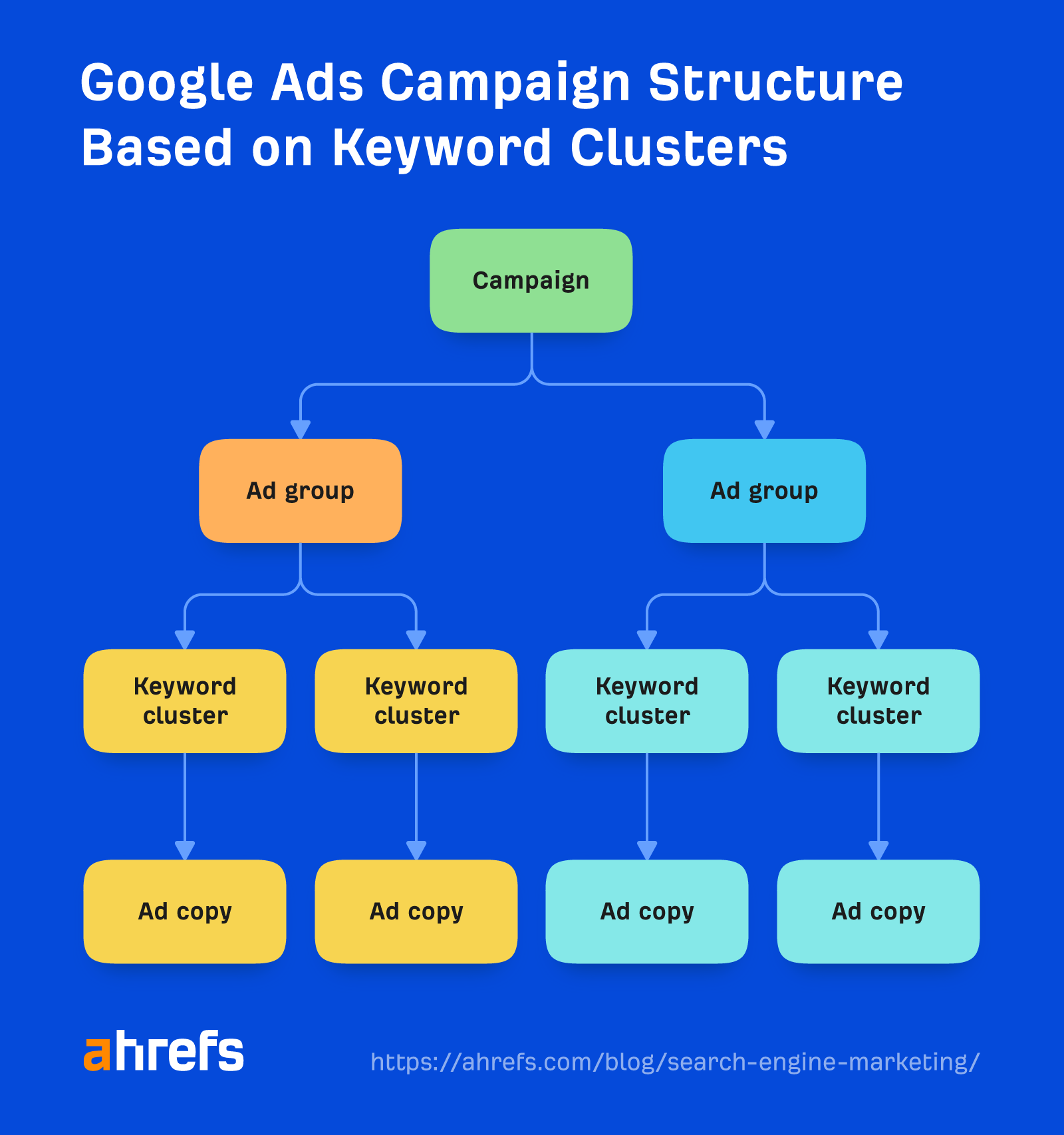
The Power of Search Engine Promotion
Search engine promotion, also known as search engine marketing (SEM), is a crucial strategy for businesses looking to enhance their online visibility and reach a wider audience. In today’s digital age, where the majority of consumers turn to search engines like Google to find products and services, having a strong presence in search results can make a significant difference in your business’s success.
What is Search Engine Promotion?
Search engine promotion involves various techniques and strategies aimed at improving a website’s visibility in search engine results pages (SERPs). This includes both paid methods, such as pay-per-click (PPC) advertising, and organic methods, such as search engine optimisation (SEO).
The Benefits of Search Engine Promotion
By investing in search engine promotion, businesses can enjoy several benefits:
- Increased Visibility: Higher rankings in search results mean more visibility for your website, leading to increased traffic and potential customers.
- Targeted Traffic: SEM allows you to target specific keywords and demographics, ensuring that your website reaches the right audience.
- Brand Awareness: Improved visibility in search results helps build brand awareness and credibility among consumers.
- Measurable Results: SEM provides detailed analytics that allow you to track the performance of your campaigns and make data-driven decisions.
Tips for Effective Search Engine Promotion
To maximise the effectiveness of your search engine promotion efforts, consider the following tips:
- Keyword Research: Conduct thorough keyword research to identify relevant keywords that your target audience is searching for.
- Optimise Your Website: Ensure that your website is optimised for search engines by creating high-quality content, improving site speed, and using proper meta tags.
- Create Compelling Ads: If using PPC advertising, create compelling ad copy that entices users to click on your ads.
- Maintain Consistency: Consistency is key in search engine promotion. Regularly monitor and update your campaigns to ensure optimal performance.
In Conclusion
In conclusion, search engine promotion is a powerful tool for businesses seeking to improve their online presence and attract more customers. By implementing effective SEM strategies and staying up-to-date with industry trends, businesses can position themselves for success in the competitive digital landscape.
Essential FAQs on Search Engine Promotion: Understanding Strategies, Benefits, and Best Practices
- What is search engine promotion?
- How does search engine promotion differ from search engine optimisation (SEO)?
- What are the benefits of investing in search engine promotion for my business?
- What are the different types of search engine promotion techniques available?
- How can pay-per-click (PPC) advertising help with search engine promotion?
- Is it necessary to hire a professional agency for search engine promotion, or can I do it myself?
- How long does it take to see results from a search engine promotion campaign?
- What metrics should I track to measure the success of my search engine promotion efforts?
- Are there any common mistakes to avoid when implementing a search engine promotion strategy?
What is search engine promotion?
Search engine promotion, also known as search engine marketing (SEM), encompasses a range of strategies and techniques aimed at enhancing a website’s visibility in search engine results pages (SERPs). This includes both paid methods like pay-per-click (PPC) advertising and organic methods such as search engine optimisation (SEO). The primary goal of search engine promotion is to increase a website’s online presence, attract more traffic, and ultimately drive conversions. By leveraging SEM effectively, businesses can target specific keywords, reach their target audience, and improve their brand awareness in the competitive digital landscape.
How does search engine promotion differ from search engine optimisation (SEO)?
When it comes to understanding the distinction between search engine promotion and search engine optimisation (SEO), it’s essential to recognise that they serve distinct purposes within the realm of digital marketing. Search engine promotion typically refers to paid strategies, such as pay-per-click (PPC) advertising, where businesses bid on keywords to appear in sponsored search results. On the other hand, SEO focuses on enhancing a website’s organic visibility through various tactics like keyword optimisation, content creation, and link building. While search engine promotion offers immediate visibility through paid placements, SEO aims for long-term sustainability by improving a website’s organic ranking in search results. Both approaches are valuable components of a comprehensive digital marketing strategy, each with its unique benefits and objectives.
What are the benefits of investing in search engine promotion for my business?
Investing in search engine promotion for your business offers a multitude of benefits that can significantly impact your online presence and overall success. By enhancing your visibility in search engine results pages, you can attract more traffic to your website, ultimately increasing the chances of converting visitors into customers. Targeted keyword strategies in search engine promotion help you reach your specific audience, leading to higher-quality leads and improved brand recognition. Additionally, the measurable results provided by search engine marketing allow you to track the performance of your campaigns and make data-driven decisions to continually enhance your online marketing efforts. Overall, investing in search engine promotion is a strategic move that can boost your business’s visibility, credibility, and profitability in the competitive digital landscape.
What are the different types of search engine promotion techniques available?
When it comes to search engine promotion, there are various techniques available to enhance a website’s visibility and attract more traffic. Some of the different types of search engine promotion techniques include search engine optimisation (SEO), pay-per-click (PPC) advertising, content marketing, social media marketing, and email marketing. SEO focuses on improving a website’s organic search rankings by optimising content and meta tags, while PPC advertising involves bidding on keywords to display ads in search results. Content marketing involves creating valuable and engaging content to attract users, while social media and email marketing leverage these platforms to promote products or services. Each technique offers unique benefits and can be tailored to suit different business goals and target audiences.
How can pay-per-click (PPC) advertising help with search engine promotion?
Pay-per-click (PPC) advertising plays a significant role in search engine promotion by providing businesses with a targeted and cost-effective way to increase their visibility in search engine results. With PPC ads, businesses can bid on specific keywords relevant to their products or services, ensuring that their ads appear prominently in search results when users search for those keywords. This targeted approach not only drives relevant traffic to the website but also allows businesses to track and measure the performance of their campaigns effectively, enabling them to make data-driven decisions to optimise their search engine promotion efforts.
Is it necessary to hire a professional agency for search engine promotion, or can I do it myself?
When considering search engine promotion, a common question arises: is it necessary to hire a professional agency or can I handle it myself? While some individuals may have the knowledge and resources to manage search engine promotion independently, enlisting the expertise of a professional agency can offer numerous advantages. A specialised agency brings in-depth knowledge, experience, and access to cutting-edge tools and techniques that can maximise the effectiveness of your search engine promotion efforts. Additionally, professionals can provide strategic guidance, tailored solutions, and ongoing support to help you achieve optimal results and navigate the ever-evolving landscape of digital marketing. Ultimately, choosing whether to hire a professional agency or go the DIY route depends on your goals, budget, and level of expertise in search engine promotion.
How long does it take to see results from a search engine promotion campaign?
It is a common question among businesses embarking on a search engine promotion campaign to inquire about the timeline for seeing results. The timeframe for observing the impact of a search engine promotion campaign can vary depending on various factors, including the competitiveness of the industry, the chosen keywords, the effectiveness of the strategies employed, and the current state of the website’s SEO. Generally, businesses may start noticing improvements in their search engine rankings and website traffic within a few weeks to a few months after initiating a well-executed search engine promotion campaign. However, it is essential to understand that SEO is an ongoing process that requires patience and continuous efforts to achieve sustainable and long-term results.
What metrics should I track to measure the success of my search engine promotion efforts?
When evaluating the success of your search engine promotion efforts, it is essential to track various metrics to gain insight into the effectiveness of your campaigns. Key metrics to monitor include organic traffic growth, keyword rankings, click-through rates (CTRs), conversion rates, bounce rates, and return on investment (ROI). By analysing these metrics regularly, you can assess the performance of your search engine promotion strategies, identify areas for improvement, and make data-driven decisions to optimise your campaigns for better results.
Are there any common mistakes to avoid when implementing a search engine promotion strategy?
When implementing a search engine promotion strategy, it is essential to be aware of common mistakes that can hinder your efforts. One common mistake to avoid is neglecting keyword research and targeting. Failing to identify and target relevant keywords can result in your website not reaching the right audience. Another mistake is overlooking the importance of website optimisation for search engines. A poorly optimised website can lead to lower rankings in search results. Additionally, not monitoring and analysing campaign performance regularly can prevent you from making necessary adjustments for optimal results. By avoiding these common mistakes and staying informed about best practices, businesses can enhance the effectiveness of their search engine promotion strategies.