
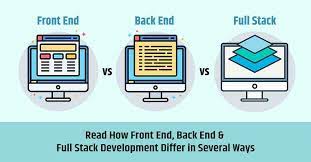
The Art of Front-End Web Design
Front-end web design is the process of creating the visual and interactive elements of a website that users see and interact with. It involves a combination of design principles, user experience considerations, and technical skills to craft engaging and intuitive web interfaces.
Key Elements of Front-End Web Design
Front-end web design encompasses various elements that contribute to the overall look and feel of a website. These include:
- Layout: The arrangement of text, images, and other elements on a web page.
- Typography: The selection and styling of fonts to enhance readability and visual appeal.
- Colour: The use of colour schemes to create visual hierarchy and evoke emotions.
- Navigation: The design of menus and links to help users navigate the website easily.
- Images and Graphics: The incorporation of visuals to enhance the aesthetic appeal of the site.
- Responsive Design: Ensuring that the website is optimised for various devices and screen sizes.
The Role of Front-End Developers
Front-end developers play a crucial role in bringing front-end designs to life. They are responsible for translating design mockups into code using languages such as HTML, CSS, and JavaScript. Front-end developers need to have a solid understanding of web design principles, as well as proficiency in coding languages and frameworks.
Trends in Front-End Web Design
Front-end web design is constantly evolving, with new trends emerging each year. Some current trends in front-end design include:
- Minimalist Design: Simplified layouts with clean typography and ample white space.
- Microinteractions: Small animations or effects that enhance user engagement.
- Dark Mode: Designs that offer a dark colour scheme for reduced eye strain in low-light environments.
- 3D Graphics: Use of three-dimensional elements to create depth and visual interest.
- Accessibility: Designs that prioritise accessibility for users with disabilities.
In Conclusion
In conclusion, front-end web design plays a crucial role in creating engaging and user-friendly websites. By combining design principles with technical skills, front-end designers can craft visually appealing interfaces that enhance the overall user experience. Stay tuned for new trends and innovations shaping the world of front-end web design!
Essential Tips for Effective Front-End Web Design
- Keep the design clean and uncluttered for a better user experience.
- Ensure your website is mobile-responsive to cater to users on different devices.
- Use high-quality images and graphics to enhance visual appeal.
- Pay attention to typography for easy readability and aesthetic appeal.
- Optimize website loading speed by minimizing large files and unnecessary elements.
- Consistency in design elements such as colours, fonts, and spacing helps create a cohesive look.
Keep the design clean and uncluttered for a better user experience.
Keeping the design clean and uncluttered is a fundamental tip in front-end web design that significantly enhances the user experience. By simplifying the layout, using ample white space, and maintaining a minimalistic approach, users can navigate the website more easily and focus on the essential content. A clutter-free design not only improves visual appeal but also promotes better readability and engagement. Prioritising a clean design ensures that users can interact with the website seamlessly, leading to a more satisfying browsing experience overall.
Ensure your website is mobile-responsive to cater to users on different devices.
In front-end web design, it is essential to ensure that your website is mobile-responsive to accommodate users accessing it on various devices. Mobile responsiveness not only enhances user experience but also improves accessibility and usability across smartphones, tablets, and other mobile devices. By designing with a mobile-first approach and implementing responsive design techniques, you can provide a seamless and consistent browsing experience for all visitors, regardless of the device they use.
Use high-quality images and graphics to enhance visual appeal.
In front-end web design, utilising high-quality images and graphics is a key tip to enhance the visual appeal of a website. By incorporating visually stunning visuals, such as crisp images and engaging graphics, designers can create an immersive and captivating user experience. High-quality visuals not only attract attention but also convey professionalism and attention to detail, ultimately elevating the overall aesthetic appeal of the website and leaving a lasting impression on visitors.
Pay attention to typography for easy readability and aesthetic appeal.
When focusing on front-end web design, it is essential to pay close attention to typography as it plays a significant role in both enhancing readability and creating aesthetic appeal. Choosing the right fonts, sizes, and spacing can greatly impact how users engage with the content on a website. Clear and well-structured typography not only makes the text easier to read but also contributes to the overall visual harmony of the design, ultimately improving the user experience.
Optimize website loading speed by minimizing large files and unnecessary elements.
To enhance the performance of your website, it is essential to focus on optimising loading speed by reducing the size of large files and eliminating unnecessary elements. By minimising the file sizes of images, videos, and other media assets, you can significantly improve the loading time of your web pages. Additionally, removing unnecessary elements such as excessive plugins or scripts can streamline the user experience and ensure that visitors can access your content quickly and efficiently. Prioritising speed optimisation not only benefits user engagement but also boosts search engine rankings, making it a crucial aspect of front-end web design.
Consistency in design elements such as colours, fonts, and spacing helps create a cohesive look.
Consistency in design elements, such as colours, fonts, and spacing, is a fundamental principle in front-end web design. By maintaining a uniform aesthetic throughout a website, designers can create a cohesive and harmonious look that enhances the overall user experience. Consistent use of colours and fonts helps establish brand identity and reinforces visual hierarchy, while uniform spacing ensures readability and visual balance. This attention to detail not only improves the aesthetics of a website but also contributes to its usability and professionalism.