
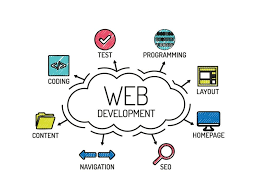
The Intersection of Web Design and Web Development
Web design and web development are two crucial components that work hand in hand to create stunning and functional websites. While they are distinct disciplines, they often overlap and complement each other in the digital landscape.
Web Design: The Aesthetics and User Experience
Web design focuses on the visual aspects of a website, including layout, colour scheme, typography, and imagery. A good web designer understands the importance of creating a visually appealing site that reflects the brand identity and engages users.
User experience (UX) design is also a key element of web design. It involves creating a seamless and intuitive journey for visitors as they navigate through the website. A well-designed site not only looks good but also provides a positive user experience that keeps visitors coming back for more.
Web Development: The Backbone of Functionality
Web development, on the other hand, deals with the technical aspects of building a website. It involves writing code in various programming languages such as HTML, CSS, JavaScript, and more to bring the design to life. Web developers ensure that the site functions smoothly across different devices and browsers.
There are two main types of web developers: front-end developers who focus on what users see and interact with on the website, and back-end developers who work behind the scenes to manage databases, servers, and application logic.
The Synergy Between Design and Development
Successful websites strike a balance between great design and robust development. Collaboration between web designers and developers is essential to create websites that not only look visually appealing but also function effectively.
Designers need to understand development constraints to create designs that can be implemented efficiently. Developers, on the other hand, should be involved early in the process to provide input on technical feasibility and ensure that the final product meets both aesthetic and functional requirements.
Conclusion
In conclusion, web design and web development are integral parts of creating successful websites. By combining creativity with technical expertise, designers and developers can collaborate to produce websites that not only look great but also deliver exceptional user experiences.
Top 5 Essential Tips for Effective Web Design and Development
- Ensure your website is mobile responsive for optimal viewing on various devices.
- Optimize your images and videos to improve loading speed and overall performance.
- Use clear navigation menus to help users easily find information on your website.
- Incorporate white space effectively to enhance readability and visual appeal.
- Regularly update and maintain your website to ensure it remains secure and up-to-date with the latest trends.
Ensure your website is mobile responsive for optimal viewing on various devices.
Ensuring that your website is mobile responsive is a critical aspect of web design and development. With the increasing use of smartphones and tablets, it is essential to provide users with an optimal viewing experience across all devices. A mobile-responsive design adapts the layout and content of your website to fit different screen sizes, ensuring that visitors can easily navigate and interact with your site regardless of the device they are using. By prioritising mobile responsiveness, you can enhance user engagement, improve SEO rankings, and ultimately create a positive impression that reflects your commitment to delivering a seamless browsing experience for all users.
Optimize your images and videos to improve loading speed and overall performance.
Optimising images and videos is a crucial tip in web design and web development to enhance loading speed and overall performance. By reducing file sizes without compromising quality, websites can load faster, providing users with a seamless browsing experience. Implementing techniques such as compression, lazy loading, and using the appropriate file formats can significantly improve website performance, leading to higher user engagement and satisfaction.
Use clear navigation menus to help users easily find information on your website.
Utilising clear navigation menus is a fundamental tip in web design and web development to enhance user experience. By presenting easily accessible and well-organised navigation options, visitors can seamlessly locate the information they seek on a website. Clear navigation menus not only improve usability but also contribute to a positive user journey, ultimately leading to increased engagement and satisfaction with the site’s content.
Incorporate white space effectively to enhance readability and visual appeal.
Incorporating white space effectively in web design is a crucial tip to enhance both readability and visual appeal. By strategically using white space around elements such as text, images, and buttons, designers can create a clean and uncluttered layout that guides the user’s eye and improves comprehension. White space not only makes content easier to read but also adds a sense of sophistication and elegance to the overall design, making the website more visually appealing and engaging for visitors.
Regularly update and maintain your website to ensure it remains secure and up-to-date with the latest trends.
Regularly updating and maintaining your website is essential to ensure its security and relevance in the ever-evolving digital landscape. By staying on top of updates, you can address any vulnerabilities that may arise and keep your site protected from potential threats. Additionally, keeping your website up-to-date with the latest trends in web design and development helps to enhance user experience and maintain a competitive edge in the online market. Prioritising regular maintenance not only safeguards your website but also demonstrates a commitment to providing visitors with a seamless and engaging online experience.