
The Power of Web Design Software
Web design software has revolutionised the way websites are created and maintained. Gone are the days when you needed to be a coding expert to build a professional-looking site. With the advent of user-friendly web design tools, anyone with a creative vision can bring it to life online.
Key Features of Web Design Software:
- Drag-and-Drop Functionality: Many web design tools now offer drag-and-drop interfaces, allowing users to easily place elements on a page without any coding knowledge.
- Responsive Design: Good web design software enables designers to create responsive websites that adapt seamlessly to different screen sizes and devices.
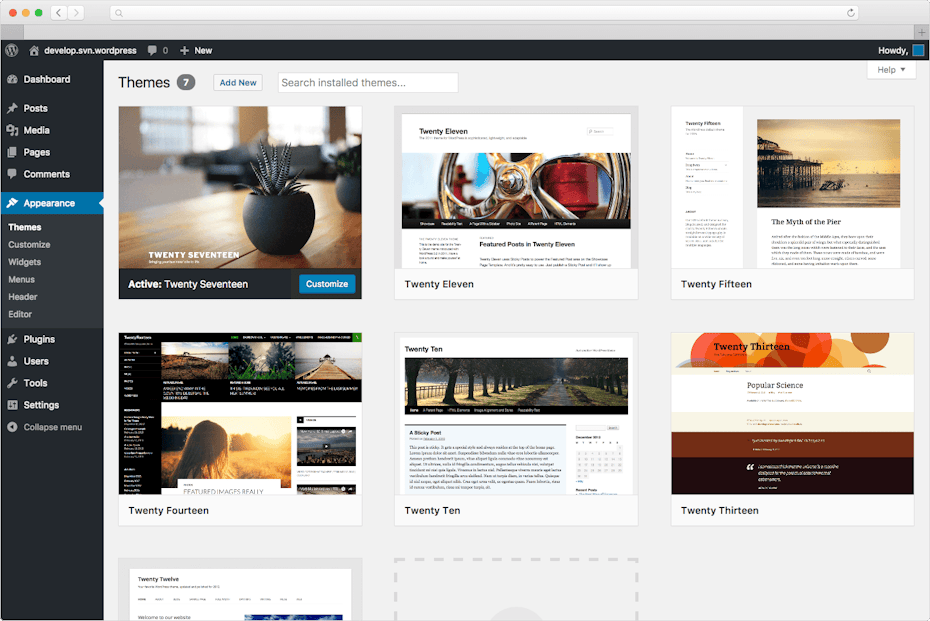
- Templates and Themes: Pre-designed templates and themes help kickstart the design process and provide a solid foundation for customisation.
- Integration with Third-Party Tools: Web design software often integrates with other tools and services, such as e-commerce platforms or analytics tools, to enhance website functionality.
- SEO-Friendly Features: Some web design tools offer built-in SEO features that help optimise websites for search engines, improving visibility online.
Popular Web Design Software Options:
There is a wide range of web design software available in the market, catering to different needs and skill levels. Some popular choices include:
- Adobe Dreamweaver: A comprehensive web design tool that offers both visual editing capabilities and direct code editing.
- WordPress: A versatile content management system (CMS) that powers millions of websites worldwide, with numerous themes and plugins for customisation.
- Squarespace: Known for its sleek templates and intuitive interface, Squarespace is ideal for creating visually stunning websites quickly.
- Weebly: A user-friendly platform that simplifies website creation with its drag-and-drop editor and integrated e-commerce features.
- Figma: More focused on collaborative interface design, Figma is popular among UX/UI designers for creating interactive prototypes.
In conclusion, web design software empowers individuals and businesses to build attractive, functional websites without the need for extensive technical expertise. Whether you’re a seasoned designer or a novice looking to establish an online presence, there’s a web design tool out there to help you realise your digital ambitions.
Top 9 Advantages of Web Design Software: Simplifying and Enhancing the Creative Process
- User-friendly interfaces make web design accessible to beginners.
- Drag-and-drop functionality simplifies the process of building websites.
- Pre-designed templates and themes speed up the design process.
- Responsive design features ensure websites look great on all devices.
- Integration with third-party tools enhances website functionality.
- Built-in SEO features help improve website visibility online.
- Regular updates and support keep software current and secure.
- Collaborative features facilitate teamwork among designers and developers.
- Cost-effective solutions for creating professional-looking websites.
Challenges of Web Design Software: Navigating Complexity, Customisation Limits, Connectivity Issues, and High Costs
User-friendly interfaces make web design accessible to beginners.
The user-friendly interfaces of web design software have democratised website creation, making it accessible to beginners with little to no coding experience. By offering intuitive drag-and-drop functionality and visual editors, these tools empower individuals to bring their creative ideas to life online without the steep learning curve traditionally associated with web design. This pro of web design software not only encourages experimentation and innovation but also opens up opportunities for aspiring designers and entrepreneurs to establish their digital presence confidently and effectively.
Drag-and-drop functionality simplifies the process of building websites.
The drag-and-drop functionality offered by web design software simplifies the process of building websites by allowing users to effortlessly place and arrange elements on a page without the need for intricate coding skills. This intuitive feature streamlines the design process, making it accessible to individuals with varying levels of technical expertise. With drag-and-drop functionality, creating visually appealing and functional websites becomes more efficient and enjoyable, empowering users to bring their creative visions to life with ease.
Pre-designed templates and themes speed up the design process.
One significant advantage of web design software is the availability of pre-designed templates and themes, which greatly accelerates the design process. These ready-made templates provide a solid foundation for creating websites, saving designers valuable time and effort in crafting layouts from scratch. By utilising pre-designed elements, designers can focus more on customising and refining the aesthetics and functionality of the site, resulting in quicker turnaround times without compromising on quality. This feature not only enhances efficiency but also allows for greater creativity and flexibility in achieving a visually appealing and professional website design.
Responsive design features ensure websites look great on all devices.
One of the key advantages of web design software is its responsive design feature, which ensures that websites adapt seamlessly to various screen sizes and devices. This capability allows websites to maintain their visual appeal and functionality across desktops, laptops, tablets, and smartphones. By prioritising responsive design, web designers can guarantee that users have a consistent and optimal browsing experience regardless of the device they are using, ultimately enhancing user engagement and satisfaction.
Integration with third-party tools enhances website functionality.
The integration of web design software with third-party tools represents a significant advantage that enhances website functionality. By seamlessly connecting with external services such as e-commerce platforms, analytics tools, and marketing automation software, web design tools can extend the capabilities of a website beyond basic design elements. This integration allows for enhanced user experiences, improved performance tracking, and streamlined workflows, ultimately contributing to a more robust and effective online presence for businesses and individuals alike.
Built-in SEO features help improve website visibility online.
Built-in SEO features offered by web design software play a crucial role in enhancing website visibility online. By incorporating tools that aid in search engine optimisation, websites created using such software can improve their ranking on search engine results pages. This proactive approach to SEO ensures that the website is more easily discoverable by potential visitors, ultimately driving organic traffic and increasing online presence.
Regular updates and support keep software current and secure.
Regular updates and support for web design software play a crucial role in ensuring that the software remains current and secure. By consistently releasing updates, developers can address any bugs, enhance features, and adapt to evolving technology trends. Moreover, ongoing support provides users with assistance in case of technical issues or security vulnerabilities, ultimately maintaining the integrity and reliability of the software. This proactive approach not only enhances user experience but also reinforces the overall security of websites built using the software.
Collaborative features facilitate teamwork among designers and developers.
Collaborative features within web design software play a pivotal role in fostering teamwork and synergy among designers and developers. By enabling real-time collaboration, sharing of assets, and seamless communication, these tools enhance efficiency and productivity within project teams. Designers can work hand-in-hand with developers, iterating on designs, providing feedback, and ensuring a cohesive end product that meets both aesthetic and functional requirements. This collaborative approach not only streamlines the design process but also promotes creativity and innovation through collective input and expertise.
Cost-effective solutions for creating professional-looking websites.
Web design software offers a cost-effective solution for creating professional-looking websites. In the past, hiring a web developer or designer could be a significant expense for individuals and businesses looking to establish an online presence. With the accessibility of user-friendly web design tools, anyone can now design and build a visually appealing website without breaking the bank. These software solutions provide templates, drag-and-drop functionality, and other tools that streamline the design process, making it affordable for users to achieve a polished and professional online presence.
Steep Learning Curve
Some web design software can present a significant drawback in the form of a steep learning curve, particularly challenging for beginners lacking familiarity with design principles or coding. Navigating through complex interfaces and mastering intricate features may pose obstacles for novices seeking to create professional-looking websites. This barrier to entry can deter individuals from fully utilising the software’s capabilities, hindering their ability to unleash their creative potential in the digital realm.
Limited Customisation
One significant drawback of some web design software is the limited customisation it offers. While these tools provide convenience and ease of use, they may constrain designers in implementing intricate or distinctive designs. The restrictions imposed by such software can hinder creativity and prevent users from achieving truly bespoke and innovative website layouts. Designers seeking highly personalised or complex design solutions may find themselves constrained by the limitations of certain web design tools, ultimately compromising the originality and uniqueness of their digital creations.
Dependency on Internet Connection
An inherent drawback of online web design software is its reliance on a consistent internet connection, posing a significant challenge for users who need to work offline or in locations with unreliable connectivity. This dependency can hinder productivity and creativity, as designers may face limitations in accessing and editing their projects without a stable internet connection. The inability to work seamlessly offline restricts flexibility and may disrupt the workflow of individuals who rely on web design software for their projects.
Costly Subscriptions
Many advanced web design software options come with subscription-based pricing models, which can be costly for individuals or small businesses on a tight budget. The recurring expenses associated with these subscriptions can add up over time, making it challenging for those with limited financial resources to access the full range of features and benefits offered by the software. This cost barrier may restrict smaller entities from utilising premium web design tools and hinder their ability to compete effectively in the digital landscape.