
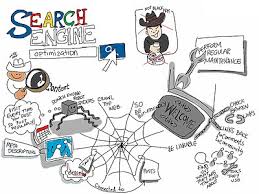
The Power of Search Engine Optimisation (SEO)
Search Engine Optimisation, commonly known as SEO, is a fundamental digital marketing strategy that aims to enhance a website’s visibility and ranking on search engine results pages. In today’s highly competitive online landscape, SEO plays a crucial role in driving organic traffic, improving brand awareness, and ultimately boosting business growth.
Key Benefits of SEO:
- Increased Visibility: By optimising your website for relevant keywords and phrases, you can improve its chances of appearing higher in search engine results, making it more visible to potential customers.
- Enhanced User Experience: SEO involves creating high-quality content, improving site speed, and ensuring mobile-friendliness – all of which contribute to a better user experience and increased engagement.
- Targeted Traffic: SEO allows you to target specific audiences based on their search intent, ensuring that the traffic directed to your site is more likely to convert into leads or sales.
- Cost-Effective Marketing: Compared to traditional advertising methods, SEO offers a cost-effective way to reach your target audience and achieve long-term results without breaking the bank.
Essential SEO Strategies:
To harness the full potential of SEO, businesses need to implement key strategies such as:
- Keyword Research: Identifying relevant keywords that align with your business offerings and target audience’s search queries.
- On-Page Optimisation: Optimising meta tags, headings, content, and images on each webpage for better visibility and relevance.
- Link Building: Acquiring high-quality backlinks from reputable websites to establish authority and credibility in the eyes of search engines.
- Local SEO: Optimising your online presence for local searches by creating Google My Business listings and ensuring NAP (Name, Address, Phone Number) consistency across platforms.
The Future of SEO
In an ever-evolving digital landscape, staying abreast of the latest SEO trends and algorithm updates is essential for maintaining a competitive edge. As search engines continue to refine their algorithms and user preferences evolve, businesses must adapt their SEO strategies accordingly to stay visible and relevant online.
In conclusion, Search Engine Optimisation is a powerful tool that can significantly impact a website’s online performance. By investing in effective SEO strategies tailored to your business goals and target audience, you can unlock new opportunities for growth and success in the digital realm.
Top 17 Frequently Asked Questions About Search Engine Optimisation
- How do you SEO a website?
- What is SEO and how it works?
- What is SEO and how does it work?
- How to do SEO as a beginner?
- How do you optimize search engines?
- Can you do SEO for free?
- What is an example of SEO?
- What is search engine Optimisation?
- What is meant by search engine Optimisation?
- What is search engine optimization and how to do it?
- How do you do Search Engine Optimization?
- What is an example of a search engine optimization?
- What is Optimisation of search engine?
- How to do SEO on website?
- How to do SEO for beginners?
- Can I do SEO on my own?
- How do you do SEO for a website?
How do you SEO a website?
Optimising a website for search engines involves a multifaceted approach to improve its visibility and ranking in search results. To SEO a website effectively, one must start with comprehensive keyword research to identify relevant terms that align with the business’s offerings and target audience’s search intent. On-page optimisation is crucial, involving the strategic placement of keywords in meta tags, headings, content, and image alt text. Additionally, creating high-quality, engaging content that provides value to users is essential for SEO success. Off-page strategies such as link building from reputable sites and local SEO efforts further enhance a website’s online presence. Regular monitoring and adjustments based on analytics data and algorithm updates are key to maintaining and improving SEO performance over time.
What is SEO and how it works?
Search Engine Optimisation (SEO) is a digital marketing strategy aimed at improving a website’s visibility and ranking on search engine results pages. SEO works by optimising various elements of a website, including content, keywords, meta tags, and backlinks, to make it more relevant and authoritative in the eyes of search engines like Google. By aligning with search engine algorithms and user intent, SEO helps websites attract organic traffic from users actively searching for related products or services. Ultimately, the goal of SEO is to enhance a website’s online presence, increase its chances of appearing higher in search results, and drive targeted traffic that is more likely to convert into leads or customers.
What is SEO and how does it work?
Search Engine Optimisation (SEO) is a digital marketing strategy aimed at improving a website’s visibility and ranking on search engine results pages. SEO works by optimising various elements of a website, such as content, meta tags, and backlinks, to make it more relevant and authoritative in the eyes of search engines like Google. By targeting specific keywords and providing high-quality, user-friendly content, SEO helps websites attract organic traffic from users searching for related information or products/services. Ultimately, the goal of SEO is to enhance a site’s online presence, drive targeted traffic, and increase its chances of ranking higher in search engine results for relevant queries.
How to do SEO as a beginner?
For beginners looking to delve into the world of Search Engine Optimisation (SEO), it’s essential to start with the basics. Begin by familiarising yourself with fundamental SEO concepts such as keyword research, on-page optimisation, and link building. Utilise free online resources and guides to gain a foundational understanding of SEO best practices. Experiment with tools like Google Analytics and Google Search Console to track your website’s performance and identify areas for improvement. Remember that SEO is an ongoing process that requires patience, consistency, and a willingness to adapt to the ever-changing digital landscape. By starting small, learning continuously, and implementing key SEO strategies gradually, beginners can lay a solid foundation for their journey into the realm of search engine optimisation.
How do you optimize search engines?
To optimize search engines effectively, businesses need to implement a comprehensive Search Engine Optimisation (SEO) strategy that focuses on key elements such as keyword research, on-page optimisation, link building, and local SEO. Keyword research involves identifying relevant keywords that align with the business’s offerings and target audience’s search queries. On-page optimisation includes optimising meta tags, headings, content, and images on each webpage to enhance visibility and relevance. Link building is crucial for acquiring high-quality backlinks from reputable websites to establish authority and credibility in the eyes of search engines. Additionally, local SEO efforts involve optimising online presence for local searches by creating Google My Business listings and ensuring NAP consistency across platforms. By combining these essential SEO practices, businesses can improve their website’s visibility, attract targeted traffic, and ultimately enhance their online performance.
Can you do SEO for free?
Many individuals and businesses often wonder whether it is possible to conduct Search Engine Optimisation (SEO) for free. While it is true that there are some basic SEO practices that can be implemented without incurring costs, such as optimising meta tags, creating quality content, and improving website speed, achieving significant results typically requires investment in time, resources, and sometimes tools. Free SEO efforts may yield some improvements in search engine rankings, but to truly compete in the digital landscape and see substantial long-term benefits, a more comprehensive and strategic approach involving professional expertise or paid services is often necessary.
What is an example of SEO?
An example of Search Engine Optimisation (SEO) can be seen in the practice of a local bakery in London aiming to increase its online visibility and attract more customers. By conducting keyword research to identify popular search terms related to baked goods and their location, the bakery optimises its website content with relevant keywords, meta tags, and descriptions. Additionally, they focus on acquiring backlinks from food bloggers and local directories to enhance their website’s authority. As a result of these SEO efforts, the bakery’s website starts appearing higher in search engine results for queries like “best bakeries in London,” driving more organic traffic to their site and ultimately increasing footfall at their physical store.
What is search engine Optimisation?
Search Engine Optimisation (SEO) is a strategic and essential digital marketing practice aimed at improving a website’s visibility and ranking on search engine results pages. By optimising various elements such as content, keywords, meta tags, and backlinks, SEO helps websites attract organic traffic from search engines like Google. The ultimate goal of SEO is to enhance a site’s relevance and authority in the eyes of search algorithms, leading to increased visibility, higher rankings, and ultimately, more qualified traffic that can convert into valuable leads or customers.
What is meant by search engine Optimisation?
Search Engine Optimisation (SEO) refers to the practice of enhancing a website’s visibility and ranking on search engine results pages through various strategies and techniques. By optimising factors such as content quality, keyword relevance, website structure, and backlink profile, SEO aims to improve a site’s organic traffic and attract more qualified visitors. Ultimately, the goal of SEO is to increase a website’s chances of being discovered by users searching for relevant information or products/services online, leading to improved brand visibility, user engagement, and potential conversions.
What is search engine optimization and how to do it?
Search engine optimisation (SEO) is the process of enhancing a website’s visibility and ranking on search engine results pages through various strategies and techniques. To do SEO effectively, businesses need to conduct thorough keyword research to identify relevant terms that their target audience is searching for. On-page optimisation involves optimising meta tags, headings, and content with these keywords to improve relevance and visibility. Additionally, building high-quality backlinks from reputable websites and focusing on user experience are crucial aspects of successful SEO implementation. By following best practices and staying informed about the latest algorithm updates, businesses can improve their online presence and attract more organic traffic through effective search engine optimisation.
How do you do Search Engine Optimization?
When it comes to Search Engine Optimization (SEO), the process involves a strategic approach to improving a website’s visibility and ranking on search engine results pages. To effectively execute SEO, businesses typically begin by conducting thorough keyword research to identify relevant terms and phrases that align with their target audience’s search intent. This is followed by on-page optimisation, where meta tags, content, headings, and images are fine-tuned to enhance relevance and user experience. Additionally, off-page strategies such as link building and local SEO play a crucial role in establishing authority and boosting online presence. Regular monitoring, analysis of performance metrics, and adapting to algorithm updates are essential components of a successful SEO strategy that aims to drive organic traffic and achieve sustainable growth in the digital landscape.
What is an example of a search engine optimization?
An example of search engine optimisation (SEO) can be seen in the practice of optimising a website’s content and structure to improve its ranking on search engine results pages for specific keywords or phrases. For instance, a company selling handmade jewellery may employ SEO techniques such as keyword research, on-page optimisation, and link building to ensure that their website appears higher in search results when users search for terms like “handmade jewellery” or “unique accessories.” By implementing effective SEO strategies, the company can increase its online visibility, attract more targeted traffic, and ultimately drive conversions and sales.
What is Optimisation of search engine?
Optimisation of search engine, commonly referred to as Search Engine Optimisation (SEO), is the process of enhancing a website’s visibility and ranking on search engine results pages. SEO involves various strategies and techniques aimed at improving a site’s relevance and authority in the eyes of search engines like Google, Bing, and Yahoo. By optimising factors such as keywords, content quality, meta tags, and backlinks, businesses can increase their organic traffic and attract more qualified leads. Ultimately, the goal of search engine optimisation is to help websites rank higher in search results for relevant queries, thereby driving more traffic and potential customers to the site.
How to do SEO on website?
Optimising a website for search engines involves a multi-faceted approach to enhance its visibility and ranking in search results. To effectively do SEO on a website, one must start with thorough keyword research to identify relevant terms that align with the business’s offerings and target audience’s search queries. On-page optimisation is crucial, involving the strategic placement of keywords in meta tags, headings, content, and image alt text. Additionally, creating high-quality content that provides value to users and encourages engagement is key. Building a strong backlink profile through reputable sites and implementing technical SEO practices such as improving site speed and mobile-friendliness are also essential components of a successful SEO strategy for a website.
How to do SEO for beginners?
For beginners looking to delve into the world of Search Engine Optimisation (SEO), a good starting point is to focus on understanding the basics of keyword research, on-page optimisation, and creating high-quality content. Keyword research involves identifying relevant keywords that align with your website’s content and your target audience’s search queries. On-page optimisation includes optimising meta tags, headings, and content to make them more search engine-friendly. Additionally, creating valuable and engaging content that resonates with your audience can help improve your website’s visibility and ranking on search engine results pages. Starting with these fundamental aspects of SEO can lay a solid foundation for beginners to build upon as they continue their journey into the world of digital marketing.
Can I do SEO on my own?
Undertaking Search Engine Optimisation (SEO) independently is indeed feasible for individuals with the time, dedication, and willingness to learn the intricacies of SEO practices. While many resources and guides are available to help beginners navigate the world of SEO, it is essential to recognise that effective SEO requires ongoing effort, monitoring, and adaptation to ever-changing search engine algorithms. Collaborating with experienced professionals or agencies can provide valuable insights and expertise, ensuring that your SEO efforts yield optimal results aligned with your business objectives.
How do you do SEO for a website?
Optimising a website for search engines involves a multifaceted approach that encompasses various strategies and techniques. To do SEO for a website effectively, one typically begins with thorough keyword research to identify relevant terms and phrases that align with the site’s content and target audience’s search intent. On-page optimisation is crucial, involving the strategic placement of keywords in meta tags, headings, and content, as well as ensuring technical aspects like site speed and mobile-friendliness are optimised. Off-page factors such as link building from reputable sites also play a significant role in establishing credibility and authority. Additionally, implementing local SEO practices for businesses targeting local customers is essential. Regular monitoring of analytics data and staying informed about the latest SEO trends are vital to maintaining and improving a website’s search engine visibility over time.