
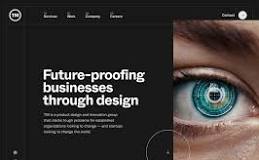
The Art of Website Design: Crafting Digital Masterpieces
In today’s digital age, a website is often the first point of contact between a business and its potential customers. As such, the design of a website plays a crucial role in shaping visitors’ perceptions and driving engagement. Website design is not just about aesthetics; it’s about creating an immersive and user-friendly experience that captivates audiences and converts them into loyal customers.
The Elements of Effective Website Design
Effective website design encompasses a multitude of elements that work harmoniously to deliver an exceptional user experience. From intuitive navigation and responsive layouts to compelling visuals and engaging content, each element plays a vital role in capturing visitors’ attention and guiding them through the website seamlessly.
User-Centred Design
At the core of great website design lies user-centred design principles. Understanding the needs, preferences, and behaviours of your target audience is essential in creating a website that resonates with them. By incorporating user research, usability testing, and feedback mechanisms, designers can tailor the website to meet users’ expectations and deliver a personalised experience.
Visual Appeal
Visual appeal is often the first thing that catches visitors’ eyes when they land on a website. A visually striking design with high-quality images, cohesive colour schemes, and engaging typography can leave a lasting impression on visitors and convey the brand’s personality effectively.
Responsive Design
In an era where mobile devices dominate internet usage, responsive design has become non-negotiable. A responsive website adapts seamlessly to different screen sizes and devices, ensuring optimal viewing experiences across desktops, laptops, tablets, and smartphones. This not only enhances user satisfaction but also boosts search engine rankings due to improved mobile-friendliness.
The Impact of Website Design on Business Success
A well-designed website can significantly impact a business’s success by enhancing brand credibility, increasing conversions, and fostering customer loyalty. A visually appealing and user-friendly website instils trust in visitors and encourages them to explore further, ultimately leading to higher engagement levels and conversion rates.
Conclusion
Website design is both an art and a science that requires careful consideration of various elements to create digital masterpieces that resonate with audiences. By prioritising user needs, embracing visual appeal, implementing responsive design practices, businesses can craft websites that stand out in today’s competitive digital landscape.
7 Essential Tips for Designing an Effective Website
- Ensure your website is mobile-friendly to cater to users on all devices.
- Prioritise fast loading times by optimising images and using efficient coding practices.
- Use a clean and consistent design to enhance user experience and navigation.
- Incorporate clear calls-to-action to guide users towards desired actions.
- Utilise whitespace effectively to prevent clutter and improve readability.
- Ensure accessibility by following best practices for screen readers and keyboard navigation.
- Regularly update content to keep the website fresh and relevant.
Ensure your website is mobile-friendly to cater to users on all devices.
To maximise user engagement and accessibility, it is essential to ensure that your website is mobile-friendly. With the increasing use of smartphones and tablets for browsing the internet, catering to users on all devices is paramount. A mobile-friendly website not only provides a seamless and optimised experience for mobile users but also improves search engine rankings, as search engines favour websites that are responsive across various devices. By prioritising mobile responsiveness in your website design, you can reach a wider audience and enhance user satisfaction, ultimately driving better results for your online presence.
Prioritise fast loading times by optimising images and using efficient coding practices.
To enhance user experience and improve website performance, it is crucial to prioritise fast loading times by implementing effective strategies such as optimising images and utilising efficient coding practices. By compressing images without compromising quality and writing clean, streamlined code, websites can load quickly and smoothly, keeping visitors engaged and reducing bounce rates. Prioritising fast loading times not only benefits user satisfaction but also contributes to better search engine rankings, making it a fundamental aspect of successful website design.
Use a clean and consistent design to enhance user experience and navigation.
Using a clean and consistent design is a fundamental tip in website design that can greatly enhance user experience and navigation. By maintaining a clutter-free layout, cohesive colour schemes, and consistent typography throughout the website, users can easily navigate and find the information they need efficiently. A clean design not only improves visual appeal but also helps establish a sense of trust and professionalism, ultimately leading to a positive user experience and increased engagement on the website.
Incorporate clear calls-to-action to guide users towards desired actions.
Incorporating clear calls-to-action is a fundamental tip in website design websites. By strategically placing prominent buttons or links that prompt users to take specific actions, such as “Sign Up Now” or “Shop the Collection,” designers can guide visitors towards desired interactions, whether it be making a purchase, subscribing to a newsletter, or contacting the business. Clear calls-to-action not only enhance user experience by providing clear direction but also drive conversions and engagement levels, ultimately contributing to the overall success of the website.
Utilise whitespace effectively to prevent clutter and improve readability.
Effective website design hinges on the strategic use of whitespace to prevent clutter and enhance readability. By incorporating ample whitespace between elements such as text, images, and buttons, designers can create a sense of balance and breathing room that guides visitors’ eyes smoothly across the page. This judicious use of whitespace not only improves the overall aesthetics of the website but also ensures that content is presented in a clear and digestible manner, ultimately enhancing the user experience and encouraging engagement.
Ensure accessibility by following best practices for screen readers and keyboard navigation.
To create an inclusive and user-friendly website design, it is essential to ensure accessibility by adhering to best practices for screen readers and keyboard navigation. By implementing features that cater to users with visual impairments or motor disabilities, such as descriptive alt text for images and logical tabbing order for keyboard navigation, website designers can enhance the usability of their sites for all visitors. Prioritising accessibility not only demonstrates a commitment to inclusivity but also improves the overall user experience, making the website more welcoming and functional for a diverse audience.
Regularly update content to keep the website fresh and relevant.
Ensuring that your website’s content is regularly updated is essential to maintaining its freshness and relevance. By frequently refreshing the content with new information, articles, or visuals, you not only provide visitors with valuable and up-to-date insights but also demonstrate that your website is actively managed and cared for. This practice not only encourages repeat visits from existing users but also improves search engine rankings by signalling to search algorithms that the website is current and engaging. Keeping your content updated reflects a commitment to delivering quality experiences to your audience and staying ahead in the competitive online landscape.