
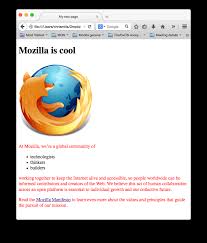
The Power of CSS in Web Design
Cascading Style Sheets (CSS) play a crucial role in modern web design, offering developers the ability to control the layout and appearance of a website with precision and flexibility. CSS allows for the separation of content from presentation, making it easier to create visually appealing and responsive websites.
Benefits of Using CSS in Web Design:
- Consistency: By defining styles in a single CSS file, designers can ensure consistency across all pages of a website, maintaining a cohesive look and feel.
- Flexibility: CSS provides extensive control over the layout and design elements of a webpage, allowing for customisation to suit different screen sizes and devices.
- Efficiency: With CSS, developers can make global changes to the design of a website by simply modifying the styles in one central stylesheet, saving time and effort.
- Accessibility: CSS enables designers to create accessible websites that are compatible with assistive technologies, improving user experience for all visitors.
- SEO-Friendly: Proper use of CSS can enhance search engine optimisation (SEO) efforts by structuring content in a way that is easily crawled and indexed by search engines.
Key Features of CSS for Web Design:
In addition to styling text and colours, CSS offers a range of features that enhance the visual appeal and functionality of a website. Some key features include:
- Selectors: Target specific HTML elements or groups of elements for styling purposes using selectors such as classes, IDs, and pseudo-classes.
- Box Model: Control the spacing, padding, borders, and margins around elements to achieve desired layout and positioning on the page.
- Responsive Design: Use media queries to create responsive layouts that adapt to different screen sizes and orientations for optimal viewing on various devices.
- Animations & Transitions: Add interactive elements to your website with animations and transitions created using CSS properties like keyframes and transitions.
- Grid Layouts & Flexbox: Utilise modern layout techniques like Grid Layouts and Flexbox to create complex yet flexible designs that respond well to different screen sizes.
In conclusion, CSS is an indispensable tool for web designers looking to create visually stunning, user-friendly websites that deliver an exceptional user experience. By mastering the art of CSS web design, developers can unlock endless possibilities for creativity while ensuring their websites are accessible, efficient, and SEO-friendly.
Essential FAQs on CSS in Web Design: Understanding Its Role and Application
- Is CSS best for web design?
- How hard is CSS coding?
- What is CSS and its types?
- Is CSS related to Web design?
- What is CSS in web design?
- How do I create a CSS website?
- What is CSS vs HTML?
- Does a web designer use CSS?
- Do websites still use CSS?
Is CSS best for web design?
The question of whether CSS is the best choice for web design is a common one among developers and designers. While there are other technologies and frameworks available for styling and layout, CSS remains a fundamental and powerful tool in the web design arsenal. Its ability to separate content from presentation, provide extensive control over design elements, ensure consistency across pages, and enable responsive layouts makes CSS a versatile and essential component of modern web development. When used effectively in conjunction with HTML and JavaScript, CSS proves to be an invaluable resource for creating visually appealing, accessible, and SEO-friendly websites that cater to diverse audiences across various devices.
How hard is CSS coding?
When it comes to CSS coding, the level of difficulty can vary depending on one’s familiarity with the language and design principles. For beginners, CSS may seem challenging due to its syntax and the need to understand how styles cascade and interact with HTML elements. However, with practice and patience, mastering CSS can become more manageable. Experienced developers often find CSS coding to be relatively straightforward, especially when leveraging pre-built frameworks and tools to streamline the process. Ultimately, while CSS coding may present initial challenges, continuous learning and hands-on experience can help individuals navigate its intricacies effectively.
What is CSS and its types?
CSS, short for Cascading Style Sheets, is a fundamental component of web design that controls the visual presentation of a website’s content. It defines how HTML elements should be displayed on a webpage, including aspects such as layout, colours, fonts, and spacing. CSS comes in different types that serve specific purposes in styling web pages. The main types of CSS include inline CSS, internal CSS, and external CSS. Inline CSS involves applying styles directly within HTML tags, internal CSS is defined within the head section of an HTML document, and external CSS is stored in separate files linked to the HTML document. Each type offers its own advantages and is used based on the complexity and requirements of the web design project.
Is CSS related to Web design?
The question “Is CSS related to web design?” is a common inquiry among individuals delving into the realm of website development. In essence, Cascading Style Sheets (CSS) are intricately linked to web design, serving as a foundational element in the creation of visually appealing and functional websites. CSS allows designers to control the layout, styling, and presentation of web content, enabling them to craft engaging user interfaces that enhance the overall user experience. Without CSS, web design would lack the finesse and customisation that defines modern websites, highlighting the indispensable role that CSS plays in shaping the aesthetics and functionality of online platforms.
What is CSS in web design?
CSS, short for Cascading Style Sheets, is a fundamental component of web design that defines the visual presentation and layout of a website. In essence, CSS acts as the stylist for web pages, allowing designers to control aspects such as fonts, colours, spacing, and positioning of elements on a webpage. By separating the content (HTML) from its presentation (CSS), developers can create visually appealing and consistent designs across various pages of a website. CSS empowers designers to customise the look and feel of a website with precision, ensuring a seamless user experience and enhancing the overall aesthetics of the site.
How do I create a CSS website?
Creating a CSS website involves several key steps to achieve a visually appealing and functional design. Firstly, you need to plan the layout and structure of your website, considering factors such as navigation, content hierarchy, and user experience. Next, you’ll create an HTML document that defines the structure of your site’s content. Then, using CSS, you can style elements by specifying colours, fonts, spacing, and other design properties to enhance the visual appeal. Additionally, incorporating responsive design techniques with media queries ensures that your website adapts seamlessly to different screen sizes. By combining HTML for structure and CSS for styling, you can create a professional-looking website that reflects your brand identity and engages visitors effectively.
What is CSS vs HTML?
In the realm of web design, the distinction between CSS and HTML is a common query. HTML, which stands for Hypertext Markup Language, serves as the foundation of web content by structuring and organising information on a webpage through elements like headings, paragraphs, and images. On the other hand, CSS, or Cascading Style Sheets, complements HTML by controlling the visual presentation of these elements, including aspects such as layout, colours, fonts, and spacing. While HTML focuses on content and structure, CSS enhances the aesthetics and styling of a website, allowing designers to create visually appealing and responsive layouts that engage users effectively. Together, HTML and CSS form a powerful duo in modern web design, each playing a distinct yet complementary role in crafting compelling online experiences.
Does a web designer use CSS?
Yes, a web designer uses CSS extensively in their work. Cascading Style Sheets (CSS) are a fundamental part of web design, allowing designers to control the visual appearance and layout of a website. By using CSS, web designers can define styles for elements such as text, colours, spacing, and positioning, ensuring a cohesive and aesthetically pleasing design across all pages of a website. CSS also enables designers to create responsive layouts that adapt to different screen sizes and devices, enhancing the user experience. In essence, CSS is an essential tool in a web designer’s toolkit for creating engaging and functional websites.
Do websites still use CSS?
Yes, websites still heavily rely on CSS (Cascading Style Sheets) for their design and layout. CSS is an essential component of modern web development, allowing designers and developers to control the visual presentation of web pages across different devices and screen sizes. By using CSS, websites can achieve consistency in styling, responsiveness to varying screen resolutions, and enhanced user experience. Without CSS, websites would lack the aesthetic appeal and functionality that users expect in today’s digital landscape. Therefore, CSS remains a fundamental tool in creating engaging and user-friendly websites that effectively communicate content to visitors.