
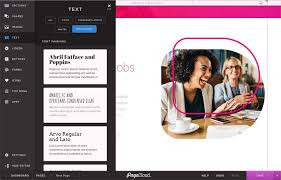
The Art of Website Page Design
Website page design is a crucial aspect of creating an engaging and effective online presence. A well-designed website page not only attracts visitors but also keeps them engaged and encourages them to explore further. Here are some key elements to consider when designing a website page:
Visual Appeal
The visual appeal of a website page plays a significant role in capturing the attention of visitors. Use high-quality images, colours that complement your brand, and an appealing layout to create a visually pleasing experience for users.
User-Friendly Navigation
An intuitive and user-friendly navigation menu is essential for guiding visitors through your website. Make sure that the menu is easy to locate, clearly labelled, and provides easy access to different sections of your site.
Responsive Design
In today’s mobile-centric world, it’s crucial to ensure that your website page is responsive and adapts seamlessly to different devices and screen sizes. Responsive design enhances user experience and improves accessibility.
Clear Call-to-Action (CTA)
Include clear and compelling call-to-action buttons on your website page to prompt visitors to take desired actions, such as signing up for a newsletter, making a purchase, or contacting you for more information.
Consistent Branding
Maintain consistent branding elements throughout your website page design, including colours, fonts, logos, and messaging. Consistent branding helps reinforce brand identity and creates a cohesive user experience.
Loading Speed
Optimise the loading speed of your website page by minimising large images, using efficient coding practices, and leveraging caching techniques. A fast-loading page improves user experience and boosts search engine rankings.
In conclusion, effective website page design combines visual appeal with functionality to create an immersive user experience that drives engagement and achieves business goals. By incorporating these key elements into your design strategy, you can create a compelling online presence that resonates with your target audience.
Essential Tips for Creating an Effective and User-Friendly Website Design
- Keep the layout clean and uncluttered for easy navigation.
- Use a cohesive colour scheme and choose fonts that are easy to read.
- Ensure your website is mobile responsive for users on different devices.
- Include high-quality images and multimedia to enhance visual appeal.
- Prioritize fast loading speeds by optimizing images and content.
- Make use of white space effectively to improve readability and visual hierarchy.
Keep the layout clean and uncluttered for easy navigation.
When designing a website page, it is essential to keep the layout clean and uncluttered to facilitate easy navigation for visitors. A clutter-free design allows users to focus on the content and navigate seamlessly without feeling overwhelmed. By maintaining a simple and organised layout, with clear sections and ample white space, you can enhance user experience, improve readability, and guide visitors towards their intended destination on the site effortlessly.
Use a cohesive colour scheme and choose fonts that are easy to read.
When designing a website page, it is essential to use a cohesive colour scheme and select fonts that are easy to read. A harmonious colour palette not only enhances the visual appeal of the page but also creates a sense of unity and professionalism. Additionally, choosing readable fonts ensures that visitors can easily consume the content without straining their eyes. By carefully selecting colours and fonts that complement each other, you can create a visually pleasing and user-friendly design that enhances the overall user experience.
Ensure your website is mobile responsive for users on different devices.
Ensuring that your website is mobile responsive is essential in today’s digital landscape, where users access websites on a variety of devices. A mobile-responsive design adapts seamlessly to different screen sizes and resolutions, providing users with an optimal viewing experience regardless of the device they are using. By prioritising mobile responsiveness, you not only enhance user experience but also improve your website’s accessibility, search engine rankings, and overall effectiveness in reaching and engaging a wider audience.
Include high-quality images and multimedia to enhance visual appeal.
Including high-quality images and multimedia on your website page is a crucial tip to enhance visual appeal and engage visitors effectively. Compelling visuals not only capture attention but also convey your brand’s message and personality. By incorporating visually appealing elements, such as stunning photographs, videos, and graphics, you can create a more immersive and memorable user experience that leaves a lasting impression on your audience. High-quality images and multimedia not only make your website more visually appealing but also help to establish credibility and professionalism, ultimately contributing to the overall success of your online presence.
Prioritize fast loading speeds by optimizing images and content.
Prioritising fast loading speeds by optimising images and content is a crucial tip in website page design. By reducing the file sizes of images, using efficient coding practices, and minimising unnecessary content, you can significantly improve the loading speed of your website pages. A fast-loading website not only enhances user experience but also positively impacts search engine rankings, making it more likely for visitors to engage with your content. By focusing on optimisation techniques, you can create a seamless browsing experience that keeps users engaged and satisfied.
Make use of white space effectively to improve readability and visual hierarchy.
Utilising white space effectively is a crucial tip in website page design to enhance readability and establish a clear visual hierarchy. By strategically incorporating ample white space around text, images, and other elements, you can improve the overall user experience by making content easier to read and navigate. White space helps to create a sense of balance and breathing room on the page, allowing important information to stand out and guiding users’ attention towards key elements. This design approach not only enhances the aesthetics of the website but also contributes to a more engaging and user-friendly browsing experience.