
The Importance of On-Page Optimization for Your Website
On-page optimization is a crucial aspect of SEO that focuses on improving various elements on your website to enhance its search engine visibility and user experience. By optimising on-page factors, you can increase your website’s chances of ranking higher in search engine results pages (SERPs) and attracting more organic traffic.
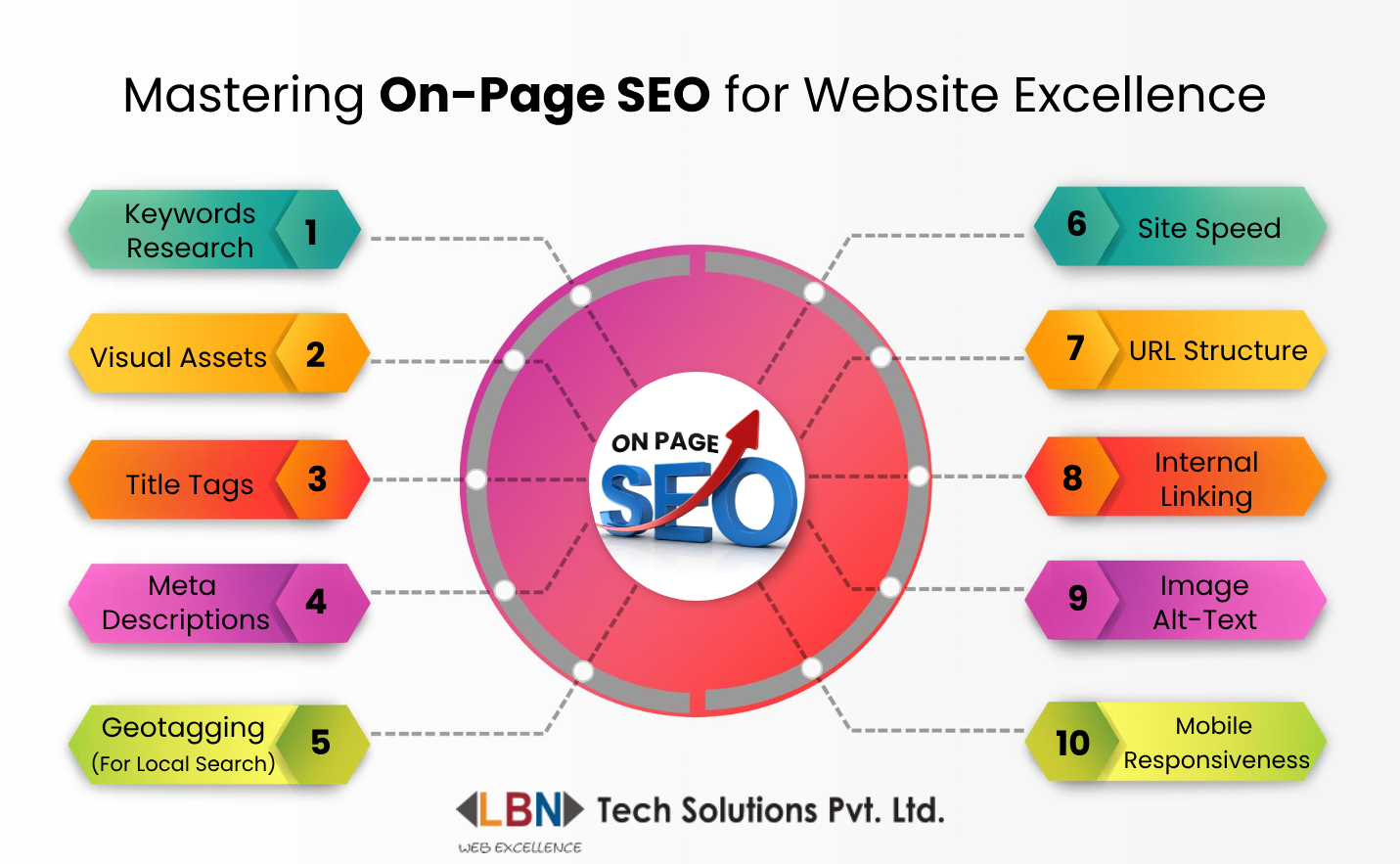
Key Aspects of On-Page Optimization:
Title Tags: Crafting unique and descriptive title tags for each page helps search engines understand the content and purpose of your pages.
Meta Descriptions: Writing compelling meta descriptions that accurately summarise the page content can improve click-through rates from search results.
Heading Tags: Proper use of heading tags (H1 to H6) helps organise your content hierarchically and makes it easier for both users and search engines to navigate.
Keyword Optimization: Strategically placing relevant keywords throughout your content can signal search engines about the topic of your page and improve its chances of ranking for those keywords.
Image Optimization: Optimising images by using descriptive filenames, alt text, and proper sizing not only improves accessibility but also provides additional opportunities for keyword relevance.
The Benefits of On-Page Optimization:
– Improved Search Engine Rankings
– Enhanced User Experience
– Increased Organic Traffic
– Higher Click-Through Rates
In Conclusion
On-page optimization plays a vital role in the overall SEO strategy of your website. By paying attention to these on-page elements and continuously refining them, you can boost your website’s visibility, attract more qualified traffic, and ultimately achieve better online success.
Essential On-Page Optimisation Tips for Boosting SEO Performance
- Include relevant keywords in the page title.
- Optimise meta descriptions with compelling copy to improve click-through rates.
- Use headings (H1, H2, etc.) to structure content and include keywords.
- Optimise images by using descriptive filenames and alt text with keywords.
- Create unique and valuable content that engages users and includes relevant keywords.
- Ensure fast page loading speed for better user experience and SEO performance.
- Include internal links to other relevant pages on your website for better navigation and SEO.
- Optimize URLs by making them concise, descriptive, and containing relevant keywords.
- Regularly update and refresh content to keep it current and maintain search engine visibility.
Include relevant keywords in the page title.
Including relevant keywords in the page title is a fundamental aspect of on-page optimization that can significantly impact your website’s search engine visibility. By strategically incorporating keywords that accurately reflect the content and purpose of the page, you not only help search engines understand the relevance of your content but also increase the likelihood of your page ranking higher for those specific keywords. A well-crafted page title with relevant keywords can attract more organic traffic to your website and improve overall SEO performance.
Optimise meta descriptions with compelling copy to improve click-through rates.
Optimising meta descriptions with compelling copy is a powerful strategy to enhance click-through rates for your web pages. By crafting engaging and informative meta descriptions that accurately reflect the content of your pages, you can entice users to click on your website in search engine results. A well-crafted meta description not only improves the visibility of your pages but also increases the likelihood of attracting relevant traffic, ultimately leading to a better user experience and higher conversion rates.
Use headings (H1, H2, etc.) to structure content and include keywords.
When focusing on on-page optimization, it is essential to utilise headings (such as H1, H2, etc.) effectively to structure content and strategically incorporate relevant keywords. By using headings appropriately, not only does it enhance the readability and organisation of the content for users, but it also signals search engines about the hierarchy and key topics within the page. This practice can significantly impact your website’s SEO performance by improving keyword relevance and making it easier for search engines to understand and index your content accurately.
Optimise images by using descriptive filenames and alt text with keywords.
Optimising images by using descriptive filenames and alt text with relevant keywords is a crucial on-page optimization tip that can significantly impact your website’s SEO performance. By incorporating targeted keywords into image attributes, such as filenames and alt text, you not only improve the accessibility of your content for visually impaired users but also provide search engines with valuable context about the image and its relevance to the overall content. This practice enhances your website’s chances of ranking higher in search results for those specific keywords, ultimately driving more organic traffic to your site.
Create unique and valuable content that engages users and includes relevant keywords.
Creating unique and valuable content that engages users while incorporating relevant keywords is a fundamental tip for effective on-page optimization. By crafting compelling and informative content that resonates with your target audience, you not only enhance user experience but also signal to search engines the relevance and authority of your website. Integrating strategically chosen keywords seamlessly into your content helps improve visibility in search results and increases the likelihood of attracting organic traffic interested in what you have to offer. This approach not only benefits your SEO efforts but also establishes your website as a valuable resource within your niche.
Ensure fast page loading speed for better user experience and SEO performance.
Ensuring fast page loading speed is a critical tip for effective on-page optimization. A website that loads quickly not only provides a better user experience by keeping visitors engaged but also contributes significantly to improved SEO performance. Search engines like Google consider page speed as a ranking factor, meaning that faster-loading pages are more likely to rank higher in search results. By prioritising fast loading times, website owners can enhance user satisfaction, reduce bounce rates, and ultimately boost their visibility and performance in search engine rankings.
Include internal links to other relevant pages on your website for better navigation and SEO.
Including internal links to other relevant pages on your website is a valuable on-page optimization technique that serves dual purposes. Firstly, it enhances the user experience by providing visitors with easy navigation to explore related content within your site. Secondly, from an SEO standpoint, internal linking helps search engines understand the structure and hierarchy of your website, improving overall crawlability and indexing. By strategically incorporating internal links, you not only guide users to relevant information but also strengthen the interconnectedness of your web pages for better visibility and ranking potential in search engine results.
Optimize URLs by making them concise, descriptive, and containing relevant keywords.
Optimising URLs is a crucial aspect of on-page optimization. By making URLs concise, descriptive, and including relevant keywords, you can improve both user experience and search engine visibility. A well-optimised URL not only helps users understand the content of the page before clicking but also provides search engines with valuable information about the page’s topic. This practice can positively impact your website’s SEO performance and increase the likelihood of your pages ranking higher in search results.
Regularly update and refresh content to keep it current and maintain search engine visibility.
Regularly updating and refreshing content is a fundamental tip in on-page optimization that can significantly impact your website’s search engine visibility. By keeping your content current and relevant, you signal to search engines that your website is active and provides valuable information to users. This practice not only helps maintain your rankings in search results but also attracts returning visitors who seek up-to-date and engaging content. Consistently updating your content demonstrates your commitment to delivering quality information, which can ultimately lead to improved organic traffic and better user engagement.