
The Power of Search Engine Optimization in Web Design
Search Engine Optimization (SEO) has become a crucial aspect of web design in today’s digital landscape. It is no longer enough to have a visually appealing website – it must also be optimised for search engines to ensure maximum visibility and reach.
When designing a website with SEO in mind, several key factors come into play:
Keyword Research
Keyword research is the foundation of any successful SEO strategy. By identifying the right keywords and phrases relevant to your business, you can attract targeted traffic to your website and improve your search engine rankings.
Optimised Content
Creating high-quality, relevant content that incorporates your chosen keywords is essential for SEO success. Content that is well-structured, engaging, and informative not only attracts visitors but also signals to search engines that your site is authoritative and trustworthy.
Mobile-Friendly Design
In the era of mobile-first indexing, having a responsive and mobile-friendly website is non-negotiable. Search engines prioritise mobile-friendly sites in their rankings, so ensuring your site is optimised for all devices is crucial for SEO success.
Page Speed Optimization
Page speed plays a significant role in both user experience and SEO. Slow-loading websites not only frustrate visitors but also receive lower rankings from search engines. Optimising your site’s speed by compressing images, minifying code, and leveraging browser caching can have a positive impact on your SEO performance.
Meta Tags and Descriptions
Optimising meta tags (such as title tags and meta descriptions) helps search engines understand the content of your pages better. By including relevant keywords in these tags and crafting compelling descriptions, you can improve click-through rates and boost your search engine visibility.
In conclusion, integrating SEO best practices into web design is essential for creating a successful online presence. By focusing on keyword research, optimised content, mobile-friendly design, page speed optimisation, and meta tag optimisation, you can enhance your website’s visibility, attract more organic traffic, and ultimately achieve better results in search engine rankings.
Essential FAQs on Integrating SEO with Web Design
- What are the 4 types of SEO?
- What are the 4 important stages in SEO?
- What are the 4 main components of an SEO?
- Should SEO be included in Web design?
- Is SEO part of web design?
- What are the 3 types of SEO optimizations?
- Should web design include SEO?
- Do Web designers need to know SEO?
- Why is SEO important in website design?
- What is SEO in web design?
- What type of design should a website have to be SEO-friendly?
- How do you design SEO?
- What is SEO and its types of SEO?
- What is search engine optimization in web design?
- What are the 4 stages of SEO?
- What are the different types of SEO in web design?
- How do I optimize SEO for my website?
- How do you design a SEO friendly website?
- Is SEO dead or evolving in 2026?
- Do web designers know SEO?
What are the 4 types of SEO?
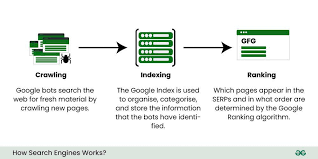
When it comes to Search Engine Optimization (SEO) in web design, understanding the different types of SEO is crucial for achieving optimal results. The four main types of SEO are on-page SEO, off-page SEO, technical SEO, and local SEO. On-page SEO focuses on optimizing individual web pages to improve search engine rankings and attract organic traffic. Off-page SEO involves activities outside the website to enhance its authority and relevance, such as link building and social media engagement. Technical SEO deals with the backend elements of a website to improve its crawling and indexing by search engines. Local SEO targets local search results by optimizing a website for specific geographical locations. By incorporating these four types of SEO into web design strategies, businesses can enhance their online visibility and reach a broader audience effectively.
What are the 4 important stages in SEO?
Understanding the four important stages in SEO is crucial for anyone looking to enhance their website’s visibility and ranking on search engines. The first stage involves keyword research, where identifying relevant keywords is key to attracting targeted traffic. Next comes on-page optimization, focusing on optimizing content and meta tags to align with chosen keywords. Off-page optimization follows, involving building quality backlinks and enhancing the website’s authority. Lastly, regular monitoring and analysis of performance metrics help in refining strategies and staying ahead in the competitive digital landscape. Mastering these four stages is essential for a successful SEO strategy that drives organic traffic and boosts online presence.
What are the 4 main components of an SEO?
When it comes to Search Engine Optimization (SEO) in web design, understanding the four main components is crucial for achieving optimal results. These components include on-page SEO, off-page SEO, technical SEO, and local SEO. On-page SEO focuses on factors within your website that can be optimised, such as content quality, keyword usage, and meta tags. Off-page SEO involves building external links and establishing your site’s authority and credibility across the web. Technical SEO deals with the technical aspects of your website, such as site speed, mobile-friendliness, and structured data markup. Lastly, local SEO targets geographically specific searches to help businesses attract local customers effectively. By addressing these four key components of SEO, web designers can create websites that are not only visually appealing but also highly visible and accessible to search engines and users alike.
Should SEO be included in Web design?
The question of whether SEO should be included in web design is a common one in today’s digital landscape. The answer is a resounding yes. Integrating SEO principles into the web design process is essential for ensuring that a website not only looks visually appealing but also performs well in search engine rankings. By considering SEO from the outset, designers can create websites that are optimised for keywords, user experience, and technical performance, ultimately leading to increased visibility, organic traffic, and overall success online. In essence, incorporating SEO into web design is no longer just an option – it’s a necessity for businesses looking to thrive in the competitive digital marketplace.
Is SEO part of web design?
In the realm of web design, the question of whether SEO is an integral part often arises. The answer is a resounding yes – SEO is indeed a fundamental component of web design. Incorporating SEO principles during the website creation process ensures that the site is not only visually appealing but also structured and optimised to rank well on search engine results pages. By implementing SEO strategies such as keyword research, content optimisation, mobile responsiveness, and meta tag optimisation from the outset, web designers can create websites that are not only aesthetically pleasing but also primed for maximum visibility and organic traffic.
What are the 3 types of SEO optimizations?
When it comes to Search Engine Optimization (SEO) in web design, there are three primary types of optimizations that play a crucial role in enhancing a website’s visibility and ranking on search engine results pages. The first type is on-page SEO, which involves optimising individual web pages with relevant keywords, high-quality content, meta tags, and internal linking structures. The second type is off-page SEO, which focuses on building backlinks from reputable websites to increase a site’s authority and credibility in the eyes of search engines. Lastly, technical SEO involves improving the technical aspects of a website, such as site speed, mobile-friendliness, and structured data markup, to ensure optimal performance and user experience. By incorporating these three types of SEO optimizations into web design strategies, businesses can effectively boost their online presence and attract organic traffic from search engines.
Should web design include SEO?
In the realm of digital marketing, the question of whether web design should include Search Engine Optimization (SEO) is a common one. The answer is a resounding yes. Incorporating SEO principles into web design is essential for ensuring that a website not only looks visually appealing but also ranks well on search engine results pages. By integrating SEO elements such as keyword research, optimised content, mobile-friendly design, page speed optimisation, and meta tag enhancements from the outset, a website can maximise its online visibility, attract targeted traffic, and ultimately enhance its overall performance in the competitive digital landscape.
Do Web designers need to know SEO?
In the realm of web design, the question of whether web designers need to know SEO is a common one. While it may not be mandatory for all web designers to be SEO experts, having a solid understanding of search engine optimisation can undoubtedly benefit their work. Knowledge of SEO allows web designers to create websites that are not only visually appealing but also structured and optimised for search engines. By incorporating SEO best practices into their design process, web designers can help improve a site’s visibility, user experience, and overall performance in search engine rankings. Ultimately, having a grasp of SEO principles empowers web designers to craft websites that are both aesthetically pleasing and strategically positioned for online success.
Why is SEO important in website design?
In the realm of website design, the importance of SEO cannot be overstated. Integrating search engine optimisation into the design process is crucial for ensuring that a website not only looks visually appealing but also performs well in search engine rankings. By implementing SEO best practices from the outset, such as strategic keyword placement, optimised content structure, and mobile responsiveness, a website can attract more organic traffic, enhance user experience, and ultimately achieve higher visibility in search results. In essence, SEO in website design is the key to unlocking a site’s full potential and reaching a wider audience online.
What is SEO in web design?
Search Engine Optimization (SEO) in web design refers to the practice of optimising a website’s design, content, and structure to improve its visibility and ranking in search engine results pages. SEO in web design involves various strategies such as keyword research, content optimisation, mobile responsiveness, page speed enhancement, and meta tag optimisation. By incorporating SEO best practices into the web design process, businesses can attract more organic traffic, enhance user experience, and increase their online presence. Ultimately, SEO in web design aims to make websites more search engine-friendly and user-friendly to drive better results and achieve higher rankings on search engines like Google.
What type of design should a website have to be SEO-friendly?
When considering the design of a website to be SEO-friendly, it is essential to prioritise a clean and user-friendly layout that enhances both user experience and search engine visibility. A website should have a responsive design that adapts seamlessly to various devices, ensuring optimal viewing across desktops, tablets, and mobile phones. Additionally, incorporating structured data markup, intuitive navigation, fast loading times, relevant meta tags, and high-quality content with strategically placed keywords are key elements in creating an SEO-friendly design. By focusing on these aspects, a website can improve its chances of ranking higher in search engine results pages and attracting organic traffic effectively.
How do you design SEO?
Designing for SEO involves a strategic approach that encompasses various elements to enhance a website’s visibility and ranking on search engine results pages. To design for SEO, one must conduct thorough keyword research to identify relevant terms and phrases, optimise on-page content with these keywords, ensure mobile responsiveness and fast loading speeds, utilise meta tags effectively, create high-quality backlinks, and regularly monitor and adjust the website based on performance metrics. By incorporating these SEO best practices into the web design process, one can improve organic search traffic and maximise the site’s potential for online success.
What is SEO and its types of SEO?
Search Engine Optimization (SEO) is a fundamental digital marketing strategy aimed at improving a website’s visibility and ranking on search engine results pages (SERPs). It involves various techniques and practices to enhance a site’s relevance and authority in the eyes of search engines like Google, Bing, and Yahoo. There are three main types of SEO: On-Page SEO, which focuses on optimizing individual web pages with relevant content, meta tags, and keyword placement; Off-Page SEO, which involves building external links and social signals to boost a site’s credibility; and Technical SEO, which deals with site structure, speed, mobile-friendliness, and other technical aspects that impact search engine rankings. By incorporating these different types of SEO into web design strategies, businesses can increase their online visibility and attract more organic traffic to their websites.
What is search engine optimization in web design?
Search engine optimization (SEO) in web design refers to the process of structuring and optimising a website to improve its visibility and ranking in search engine results pages. It involves incorporating relevant keywords, creating high-quality content, ensuring mobile responsiveness, enhancing page speed, and optimising meta tags to make the site more search engine-friendly. By implementing SEO best practices during the web design process, businesses can attract organic traffic, increase their online presence, and ultimately drive more conversions. SEO in web design is essential for ensuring that a website not only looks visually appealing but also performs well in search engine algorithms to reach a wider audience effectively.
What are the 4 stages of SEO?
When it comes to Search Engine Optimization (SEO) in web design, understanding the four stages of SEO is essential for achieving optimal results. The first stage involves keyword research and analysis to identify relevant keywords for targeting. Next, on-page optimization focuses on incorporating these keywords strategically into website content and meta tags. Off-page optimization, the third stage, involves building quality backlinks and establishing a strong online presence through social media and other platforms. Finally, monitoring and continuous improvement make up the fourth stage, where tracking performance metrics and making adjustments based on data insights are crucial for maintaining and improving SEO rankings over time. Mastering these four stages of SEO is key to enhancing a website’s visibility, attracting organic traffic, and ultimately driving business growth online.
What are the different types of SEO in web design?
When it comes to search engine optimization (SEO) in web design, there are several different types that play a crucial role in enhancing a website’s visibility and ranking on search engine results pages. The main types of SEO in web design include on-page SEO, which involves optimising individual web pages with relevant content, meta tags, and keywords; off-page SEO, which focuses on building backlinks and establishing the website’s authority through external sources; technical SEO, which deals with the technical aspects of a website such as site speed, mobile-friendliness, and structured data markup; and local SEO, which targets local search queries to help businesses attract nearby customers. Each type of SEO serves a specific purpose in improving a website’s search engine performance and should be carefully integrated into the overall web design strategy for optimal results.
How do I optimize SEO for my website?
Optimising SEO for your website involves a combination of strategic steps to enhance its visibility and ranking on search engines. Begin by conducting thorough keyword research to identify relevant terms and phrases that your target audience is likely to search for. Incorporate these keywords naturally into your website’s content, meta tags, and headings to signal to search engines the relevance of your site. Ensure your website is mobile-friendly and optimised for fast loading speeds, as user experience factors heavily into SEO rankings. Regularly update and add fresh, high-quality content to keep your site engaging and informative. Building backlinks from reputable sources can also boost your SEO performance. By following these best practices and staying abreast of the latest SEO trends, you can effectively optimise your website for improved search engine visibility and organic traffic growth.
How do you design a SEO friendly website?
Designing a SEO-friendly website involves several key steps to ensure optimal visibility and ranking on search engines. Firstly, conducting thorough keyword research to identify relevant keywords and phrases is essential. Integrating these keywords strategically into the website’s content, meta tags, and headings helps search engines understand the site’s relevance to user queries. Additionally, creating high-quality, engaging content that provides value to visitors is crucial for SEO success. Ensuring the website is mobile-responsive, optimised for fast loading speeds, and includes clear navigation also contributes to a SEO-friendly design. By following these guidelines and staying updated on SEO best practices, businesses can enhance their online presence and attract organic traffic effectively.
Is SEO dead or evolving in 2026?
In 2026, the notion that SEO is “dead” is a misconception; rather, it continues to evolve in response to the ever-changing digital landscape. As search engines become more sophisticated, the strategies that once dominated are being replaced by more advanced techniques. The focus has shifted towards understanding user intent, creating high-quality content, and leveraging artificial intelligence and machine learning to enhance search algorithms. Voice search and mobile optimisation have also become increasingly significant, requiring businesses to adapt their SEO strategies accordingly. Therefore, SEO is far from obsolete; it remains a vital component of digital marketing that must continuously adapt to new technologies and trends.
Do web designers know SEO?
The question of whether web designers know SEO is a common one in the realm of search engine optimization and web design. While it is true that not all web designers are SEO experts, many professionals in the field possess a basic understanding of SEO principles and best practices. Effective collaboration between web designers and SEO specialists can lead to the creation of websites that are both visually appealing and optimised for search engines. By working together, web designers can incorporate SEO-friendly elements into their designs, such as mobile responsiveness, fast loading times, and structured content, to ensure that websites have a solid foundation for achieving high search engine rankings.