
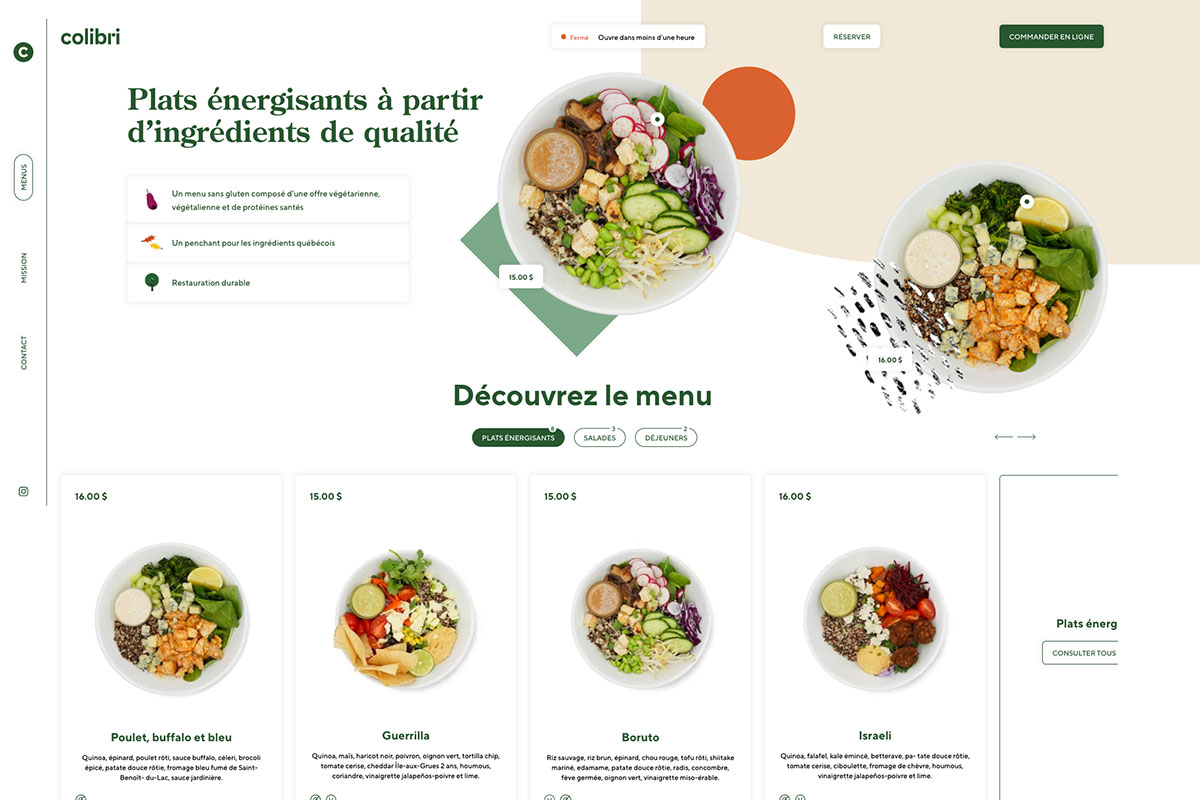
Restaurant Web Design: Creating a Website That Makes People Hungry
A restaurant’s website is often the first place potential diners go to explore the menu, check opening hours or decide whether to book a table. A well-designed site can turn that interest into a visit. It should reflect the character of the restaurant, make essential information easy to find and work smoothly on every device.
Whether you run a neighbourhood café, a fine-dining restaurant or a takeaway, thoughtful web design can help you make a strong first impression and give customers a better experience before they even arrive.
Make a memorable first impression
Your website should give visitors a clear sense of what makes your restaurant special. Is it a relaxed place for brunch, a destination for seasonal dining or a family-friendly local favourite? Use your design, photography and writing to communicate that identity consistently.
Choose colours, fonts and imagery that suit your atmosphere. A modern restaurant might favour clean layouts and understated typography, while a lively café could use brighter colours and more playful details. The design should feel distinctive without making the site difficult to use.
Put the essentials within easy reach
Visitors usually come to a restaurant website with a practical question. They may want to see the menu, find your address, check when you are open or make a reservation. Make these details easy to spot, especially on the homepage.
- Menu: Present your food and drink options in a clear, readable format.
- Opening hours: Keep hours accurate, including holiday or seasonal changes.
- Location: Include your full address and a map or directions link.
- Bookings: Provide a prominent way to reserve a table.
- Contact details: Make your phone number and email easy to find.
Keep important information on the website itself rather than relying entirely on social media or downloadable files. This makes it easier for customers to get what they need and can help search engines understand your business.
Show your food at its best
High-quality photography can help visitors imagine the experience of dining with you. Use clear, appetising images of dishes, the dining room and the people behind the restaurant. Authentic photographs often tell a more convincing story than generic stock images.
Images should support the content rather than slow the site down. Compress them before uploading, use suitable file formats and add descriptive alternative text. This helps pages load more quickly and makes visual content more accessible.
Design for mobile visitors
Many people search for restaurants while they are out and about, often using a mobile phone. A mobile-friendly website should be quick to load, easy to read and simple to navigate on a smaller screen.
Use legible text, buttons that are comfortable to tap and navigation that does not require visitors to zoom or scroll unnecessarily. Test key tasks on a phone, including opening the menu, finding directions and completing a booking.
Make booking and ordering straightforward
If you accept reservations online, make the booking process as simple as possible. Explain what information is required, provide clear confirmation and ensure the system works well on mobile devices. If you offer takeaway or delivery, make the ordering link easy to find and set expectations about collection, delivery areas and payment.
Every extra step can create friction. Keep forms concise and make buttons such as “Book a table” or “Order online” clear and descriptive.
Keep accessibility in mind
An accessible website is easier for more people to use. Choose strong colour contrast, give links meaningful labels and make sure the site can be navigated using a keyboard. Use headings in a logical order and provide alternative text for informative images.
Menus should be readable on screen and should not be available only as an image. If you offer a PDF menu, consider providing the same information as accessible webpage text as well.
Help local customers find you
Local search visibility matters for restaurants. Include your restaurant’s name, location and relevant details consistently across your website and business listings. Create a dedicated contact or location page with your address, opening hours, phone number and directions.
Write naturally about your cuisine, neighbourhood and dining experience. Useful, accurate information is more valuable to visitors than repeating keywords unnaturally. Keep opening hours, menus and contact details up to date so customers are not caught out by outdated information.
Keep the website fresh
A restaurant’s offering can change with the seasons, so the website should be easy to maintain. Update menus, prices, hours and special events promptly. Remove old promotions and check that booking and ordering links still work.
Before launching a new site, test it across different screen sizes and browsers. Check every page for broken links, spelling errors and outdated details. Regular reviews help ensure the website continues to reflect the quality of the restaurant itself.
A better online experience can lead to more visits
Effective restaurant web design brings together attractive presentation and practical functionality. By showcasing your food, sharing essential information clearly and making bookings or orders simple, your website can help turn online interest into real-world visits.
Start with the needs of your customers, reflect the personality of your restaurant and make every important action easy to complete. The result is a website that looks inviting, works reliably and gives people a reason to come through the door.
Top 5 Essential Tips for Effective Restaurant Web Design
- Make the menu easy to find and read.
- Use high-quality photos of your food and venue.
- Ensure the site works well on mobile.
- Show opening hours, location and contact details clearly.
- Make booking and ordering quick and simple.
Make the menu easy to find and read.
Make your menu easy to find and read by giving it a prominent place in your website navigation and ensuring it works well on mobile devices. Present dishes, descriptions, prices and dietary information in clear, well-organised text rather than relying only on a downloadable PDF or image. A readable menu helps visitors quickly decide what to order and whether your restaurant suits their needs.
Use high-quality photos of your food and venue.
Use high-quality photos of your food and venue to give visitors a genuine feel for the dining experience. Clear, well-lit images of popular dishes, the dining room and welcoming details can make your restaurant more appealing and help guests know what to expect. Choose authentic photos that reflect your food and atmosphere, and optimise image sizes so they look crisp without slowing down your website.
Ensure the site works well on mobile.
Ensure your restaurant website works smoothly on mobile, as many customers will browse while they’re out and about. Use a responsive layout with readable text, fast-loading images and clear, easy-to-tap buttons. Make key details—such as your menu, opening hours, location and booking or ordering options—simple to find, so visitors can take action without pinching, zooming or struggling to navigate.
Show opening hours, location and contact details clearly.
Make essential details easy to find by displaying your opening hours, location and contact information prominently, ideally on your homepage and in the footer. Include your full address, a map or directions link, and a tap-to-call phone number so visitors can quickly plan their visit or get in touch. Keep these details up to date, especially during holidays or seasonal changes, to avoid disappointing customers.
Make booking and ordering quick and simple.
Make booking a table or placing an order quick and straightforward. Use clear, prominent buttons such as “Book a table” and “Order online”, and keep forms short so customers can complete them easily on any device. Explain what happens next, display a confirmation once a booking or order is placed, and make sure the process works smoothly on mobile. The fewer unnecessary steps, the more likely visitors are to follow through.