
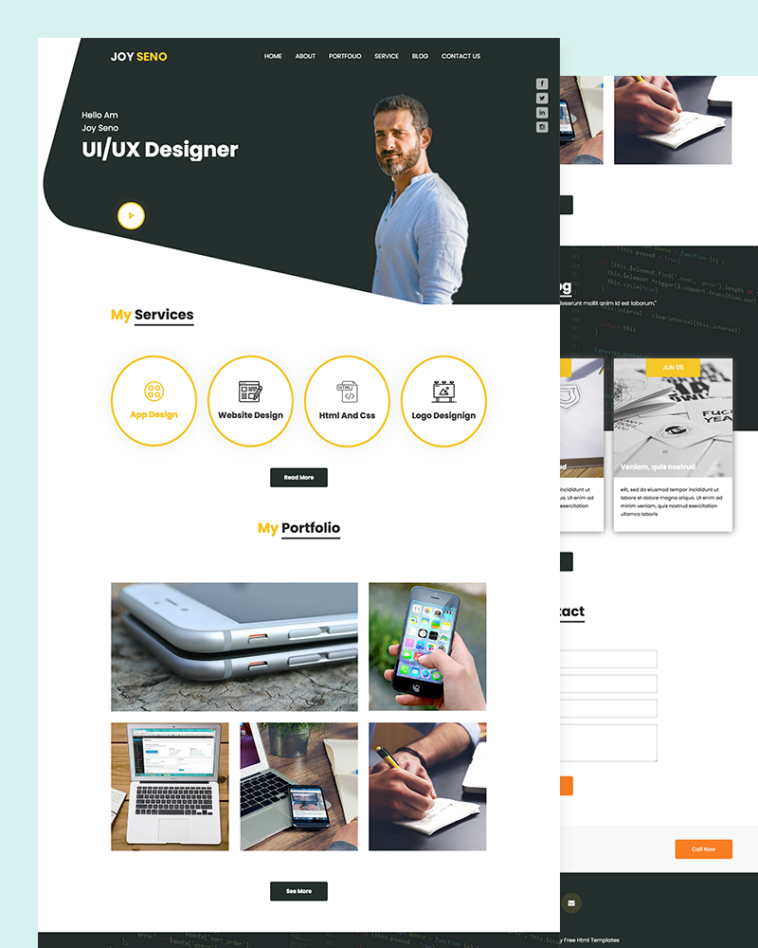
How to Build a Web Design Portfolio That Wins Clients
A web design portfolio is more than a collection of attractive websites. It shows potential clients how you think, solve problems and create digital experiences that support real goals. Whether you are an established designer or just starting out, a carefully presented portfolio can help you make a strong first impression and attract the right projects.
Choose projects with purpose
You do not need dozens of examples to create an effective portfolio. A small selection of well-chosen projects is often more persuasive than a long list of work with little explanation. Include projects that reflect the type of work you want to do, such as e-commerce websites, service-business sites or portfolio platforms.
For each project, explain the context. Who was the client or intended audience? What challenge did the website need to address? What part did you play? This gives visitors a clearer picture of your contribution and the thinking behind the design.
Tell the story behind each design
Strong portfolio entries go beyond screenshots. Use a concise case study to guide readers through the process, from the initial brief to the finished website. You might describe how you organised the content, improved navigation, developed a visual direction or adapted the design for mobile devices.
Where possible, include outcomes. For example, you could mention improvements to enquiry quality, usability or the client’s ability to manage content. Only share results that you can support and have permission to disclose.
Show your range—and your focus
A portfolio should demonstrate versatility without feeling unfocused. Select work that shows your skills across areas such as visual design, responsive layouts, accessibility and user experience. At the same time, make it easy to understand what you specialise in and who you work with.
If you are new to the industry, you can include personal projects, concept designs or websites created for community organisations. Label these clearly so visitors can distinguish them from commissioned client work.
Make the portfolio easy to use
Your portfolio is itself a web design project, so it should reflect the quality of your work. Use clear navigation, readable typography and a consistent visual style. Make sure pages load quickly and the layout works well on phones, tablets and desktop screens.
Accessibility matters too. Use sufficient colour contrast, descriptive image text and meaningful headings. Ensure that links and buttons are easy to identify and use, including with a keyboard.
Include a clear call to action
Visitors should know what to do next. Add a visible contact link or enquiry button, and make it straightforward to find your email address or contact form. A short introduction can also explain the services you offer, your location or the kinds of clients you support.
Keep the tone professional and approachable. A brief biography can help potential clients understand your experience and working style, but the portfolio should remain focused on how you can help them.
Keep your work up to date
A portfolio should evolve as your skills and interests develop. Review it regularly, replace older examples when stronger work is available, and check that all links and images still work. It is also worth revisiting the wording to ensure it accurately reflects the services you provide today.
A portfolio that builds confidence
An effective web design portfolio combines thoughtful presentation with clear evidence of your approach. By choosing relevant projects, explaining the decisions behind them and making it easy for visitors to get in touch, you can create a portfolio that does more than display your work—it helps potential clients understand why they should work with you.
8 Compelling Reasons to Develop a Web Design Portfolio
- Showcases your design skills.
- Builds trust with potential clients.
- Highlights your best projects.
- Demonstrates your creative process.
- Shows your range and specialisms.
- Makes your work easy to explore.
- Helps attract suitable clients.
- Creates a strong first impression.
Challenges in Crafting an Effective Web Design Portfolio
- Can take time to build and maintain.
- Outdated work may weaken your credibility.
- Too many projects can overwhelm visitors.
- Weak case studies hide your design process.
- Slow-loading images can frustrate users.
- A generic portfolio may fail to stand out.
Showcases your design skills.
A web design portfolio gives you the opportunity to showcase your design skills through real examples of your work. It can highlight your eye for colour and typography, your ability to create clear layouts, and your understanding of responsive, user-friendly design. By presenting a range of carefully selected projects, you help potential clients see your strengths and get a sense of what you could create for them.
Builds trust with potential clients.
A well-presented web design portfolio helps build trust by giving potential clients clear evidence of your skills and experience. Real examples show the quality of your work, while case studies explain how you approach challenges and deliver solutions. Client testimonials and measurable results can add further reassurance, helping visitors feel more confident about choosing you for their project.
Highlights your best projects.
A web design portfolio gives you the chance to put your best projects front and centre. By selecting work that reflects your skills, style and experience, you can quickly show potential clients what you do best and the value you could bring to their project.
Demonstrates your creative process.
A web design portfolio can demonstrate your creative process, not just the finished result. By showing how you move from research and initial ideas through wireframes, design choices and refinements, you help potential clients understand how you tackle challenges and bring a project to life. This insight highlights your problem-solving skills and gives clients confidence in the thought and care behind your work.
Shows your range and specialisms.
A web design portfolio can showcase both the range of your skills and the areas you specialise in. By including varied projects, you can demonstrate your versatility across different industries, styles and platforms, while selected examples make it clear where your expertise lies. This helps potential clients quickly see whether your approach and experience are a good fit for their project.
Makes your work easy to explore.
A well-organised web design portfolio makes your work easy to explore, helping visitors find relevant projects without feeling overwhelmed. Clear navigation, helpful categories and concise project summaries let potential clients quickly understand your style, skills and experience. When your best work is easy to discover, visitors can focus on what matters: the value you could bring to their project.
Helps attract suitable clients.
A well-curated web design portfolio helps attract suitable clients by showcasing the projects, skills and industries you want to work with. When visitors can see examples that match their needs and style, they can quickly decide whether your approach is right for them. This helps set clear expectations, build trust and encourage enquiries from clients who are a better fit for your services.
Creates a strong first impression.
A well-designed web design portfolio creates a strong first impression by showing the quality, style and care behind your work from the moment someone visits. A clear layout, polished visuals and easy navigation help potential clients quickly understand your skills and professionalism, giving them confidence to explore your projects and get in touch.
Can take time to build and maintain.
Building and maintaining a web design portfolio can take considerable time. Each project needs to be selected, presented and described clearly, while the portfolio itself requires regular updates to keep examples, links and contact details current. This can be challenging when balancing client work and other commitments, particularly for designers who want to showcase new skills or recent projects.
Outdated work may weaken your credibility.
An outdated web design portfolio can weaken your credibility by giving potential clients the impression that your skills, tools or design approach have not kept pace with current expectations. Older projects may no longer reflect the quality of work you can deliver today, so review your portfolio regularly and replace or update examples where appropriate.
Too many projects can overwhelm visitors.
Including too many projects in a web design portfolio can overwhelm visitors and make it harder for them to find your strongest work. A crowded selection may also leave your skills and specialism unclear. Instead, feature a carefully curated range of projects that best represents your abilities and the work you want to attract.
Weak case studies hide your design process.
Weak case studies can make a web design portfolio less convincing by showing only the finished website without explaining how it came together. Potential clients may not see how you understood the brief, tackled design challenges or made decisions to meet users’ needs. Without this context, even strong visuals can feel less meaningful, and it becomes harder to demonstrate the problem-solving skills and value you bring to a project.
Slow-loading images can frustrate users.
Slow-loading images can frustrate users and make a web design portfolio feel difficult to browse. Large, unoptimised files may delay pages from appearing, particularly on mobile devices or slower internet connections, causing visitors to leave before they have seen your work. Compress images, choose suitable file formats and use responsive sizing to keep your portfolio looking polished while loading quickly.
A generic portfolio may fail to stand out.
A generic web design portfolio can struggle to make a lasting impression. If it relies on familiar layouts, broad descriptions and similar-looking project examples, potential clients may find it difficult to understand what makes your work distinctive. Showcasing your design approach, explaining the thinking behind each project and highlighting the results you achieved can help your portfolio feel more personal and memorable.