
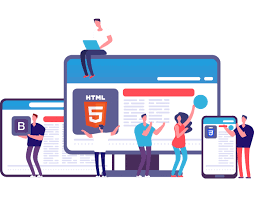
How to Choose the Right Responsive Web Design Agency
People visit websites on a wide range of devices, from large desktop monitors to smartphones and tablets. A website that works well on only one screen size can frustrate visitors and cost a business valuable enquiries or sales. That is why responsive web design is essential—and why choosing the right responsive web design agency can make a real difference.
What Is Responsive Web Design?
Responsive web design is an approach to building websites so that their layout and content adapt to different screen sizes and devices. Rather than creating a separate website for every device, a responsive site adjusts elements such as navigation, images, text and columns to provide a clear, usable experience wherever it is viewed.
A well-designed responsive website should be easy to navigate on a mobile phone, quick to load on a tablet and visually polished on a desktop. It should also make important actions—such as contacting your business, booking a service or completing a purchase—simple for visitors.
Why Work with a Responsive Web Design Agency?
Responsive design involves more than making a desktop website shrink to fit a smaller screen. A specialist agency considers how people use your site on different devices and plans the experience accordingly. This can help your business:
- Reach more visitors: Make your website accessible to people using mobiles, tablets and computers.
- Improve usability: Give visitors clear navigation, readable content and easy-to-use forms.
- Support search visibility: A mobile-friendly, well-structured website can contribute to a better experience for users and search engines.
- Build trust: A consistent, professional experience across devices helps your business make a strong first impression.
- Encourage action: Make it easier for visitors to enquire, make a purchase or find the information they need.
What Does a Responsive Web Design Agency Do?
Every project is different, but an agency will typically begin by learning about your business, audience and goals. It can then plan and create a website that reflects your brand and works across a variety of screen sizes.
Research and planning
The agency may review your existing website, competitors and audience needs. This helps establish what the new site should achieve and which features are most important.
Design for different devices
Designers consider how the site will appear and function on mobile, tablet and desktop screens. They may prioritise key content and actions on smaller displays, where space is limited.
Development and testing
Developers build the website and test it across different screen sizes, browsers and devices. Testing can identify issues such as awkward layouts, difficult-to-tap buttons or images that slow down the page.
Ongoing support
After launch, your website may need updates, maintenance and further improvements. Ask whether the agency offers ongoing support and how it handles future changes.
How to Choose the Right Agency
Before appointing a responsive web design agency, look beyond the visual style of its portfolio. Consider how each agency approaches the full project and whether it understands your business objectives.
- Review its portfolio: Explore live websites and check how they work on your own phone and computer.
- Ask about its process: Find out how the agency handles planning, design, development, testing and launch.
- Discuss your goals: A good partner will ask what you want the website to achieve, rather than focusing on appearance alone.
- Check what is included: Clarify whether content, search engine optimisation, hosting, maintenance and training are part of the proposal.
- Understand the costs: Ask for a clear breakdown of fees, timescales and any ongoing charges.
- Look for clear communication: Choose an agency that explains its recommendations and keeps you informed throughout the project.
Responsive Design Is an Investment in Your Business
Your website is often one of the first places potential customers encounter your business. If it is difficult to use on a mobile device, visitors may leave before discovering what you offer. Working with an experienced responsive web design agency can help you create a site that is attractive, accessible and practical across devices.
Take time to define your goals, compare agency experience and ask detailed questions before making a decision. The right partnership can help turn your website into a more effective tool for reaching customers and supporting your business growth.
Essential FAQs About Hiring a Responsive Web Design Agency
- What does a responsive web design agency do?
- Why should I hire a responsive web design agency?
- How much does it cost to hire a responsive web design agency?
- How long does it take an agency to build a responsive website?
- How can I choose the right responsive web design agency for my business?
- Will a responsive website work on mobiles, tablets and desktop computers?
- Can an agency make my existing website responsive?
- Does responsive web design help with search engine optimisation (SEO)?
- What support and maintenance does a responsive web design agency provide after launch?
What does a responsive web design agency do?
A responsive web design agency plans, designs and builds websites that adapt to different screen sizes, including mobiles, tablets and desktop computers. It considers how people use your site on each device, then creates layouts, navigation and features that are easy to use and visually consistent. The agency may also provide services such as development, testing, search engine optimisation and ongoing website support.
Why should I hire a responsive web design agency?
Hiring a responsive web design agency helps ensure your website looks and works well across mobiles, tablets and desktop computers. Specialists can plan an intuitive user experience, make content easy to read and navigate, and test the site on different devices. A responsive website can also support your visibility in search results, strengthen your brand’s credibility and make it easier for visitors to contact you or become customers.
How much does it cost to hire a responsive web design agency?
The cost of hiring a responsive web design agency depends on the size and complexity of your website, the features you need and the level of design and support required. A simple brochure website will generally cost less than a bespoke e-commerce platform or a site with custom integrations. Ask agencies for a detailed quote that explains what is included, such as planning, design, development, testing and ongoing maintenance, so you can compare proposals and budget with confidence.
How long does it take an agency to build a responsive website?
The time needed to build a responsive website depends on its size, features and complexity. A straightforward brochure-style site may take a few weeks, while a larger website with bespoke design, e-commerce or custom functionality can take several months. Content, feedback and approvals also affect the schedule. A responsive web design agency should provide a clear project plan and estimated timescale after discussing your requirements.
How can I choose the right responsive web design agency for my business?
To choose the right responsive web design agency, start by defining your goals, budget and the needs of your audience. Review each agency’s portfolio on both mobile and desktop, and look for experience in your industry or with similar projects. Ask about its process for planning, design, development and testing, as well as what is included in the price—such as content, SEO, ongoing support and maintenance. Choose an agency that communicates clearly, understands your business objectives and can explain how its approach will create a website that works well across devices.
Will a responsive website work on mobiles, tablets and desktop computers?
Yes. A responsive website is designed to adapt its layout, content and navigation to suit mobiles, tablets and desktop computers. This means visitors can browse, read and use key features comfortably on different screen sizes, without needing a separate website for each device. A responsive web design agency should also test the site across a range of devices and browsers to help ensure it works as intended.
Can an agency make my existing website responsive?
Yes, a responsive web design agency can often adapt your existing website to work across mobile phones, tablets and desktop screens. The agency will first assess your site’s design, content and technical setup, then recommend whether to update the current website or rebuild parts of it. The best option depends on factors such as the site’s age, platform and performance, as well as your budget and goals.
Does responsive web design help with search engine optimisation (SEO)?
Yes. Responsive web design can support SEO by providing a consistent, user-friendly experience across mobiles, tablets and desktop computers. This makes it easier for visitors to read content and navigate your site, which can encourage them to stay and engage. A responsive site also allows search engines to crawl and index one set of pages rather than separate desktop and mobile versions. However, responsive design alone cannot guarantee higher rankings: quality content, fast loading times, accessibility and sound technical SEO remain important.
What support and maintenance does a responsive web design agency provide after launch?
After launch, a responsive web design agency may provide technical support, software and security updates, backups, bug fixes and performance monitoring to help keep your website secure and working smoothly across devices. Some agencies also offer content updates, hosting support, accessibility checks and ongoing improvements based on user feedback or analytics. Services vary, so it’s worth checking what is included in your agreement, how quickly support requests are handled and whether maintenance is covered by a monthly fee or charged separately.