
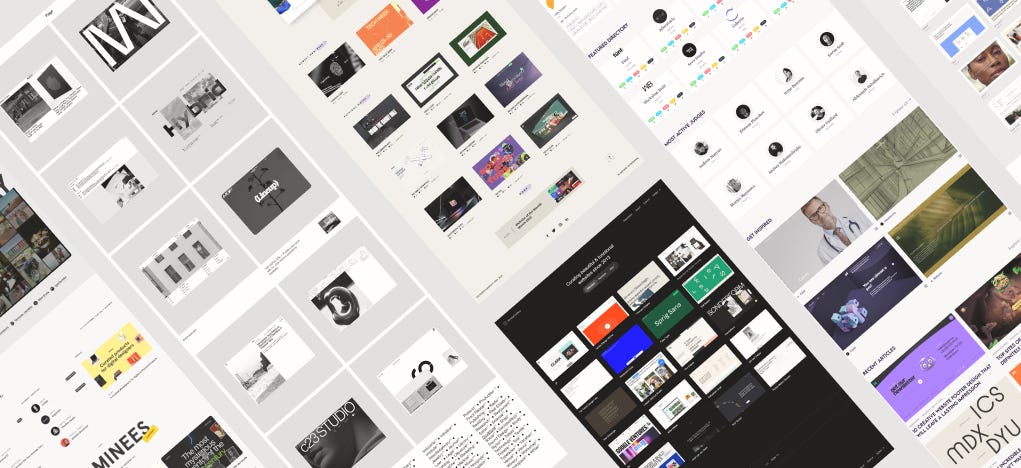
Web Design Awards: What They Are and Why They Matter
A well-designed website does more than look good. It helps people find information, complete tasks and connect with a brand. Web design awards recognise websites that excel in areas such as visual design, usability, accessibility, creativity and technical execution.
For designers, agencies and businesses, an award can be a welcome acknowledgement of thoughtful digital work. But awards are about more than trophies: they can also offer inspiration, help raise professional profiles and encourage higher standards across the industry.
What are web design awards?
Web design awards are programmes that assess and celebrate websites, digital campaigns and related creative work. Some focus mainly on visual design, while others consider the complete user experience, including how a website performs on mobile devices and whether it is easy for a wide range of people to use.
Awards may be open to individuals, studios, agencies, in-house teams or businesses. Depending on the programme, entries might be judged by a panel of industry professionals, assessed through public voting, or reviewed using a combination of methods.
What do judges look for?
Each award has its own criteria, but judging commonly considers several important qualities:
- Visual design: Does the website have a clear, distinctive and consistent visual identity?
- User experience: Can visitors navigate the site easily and find what they need?
- Originality: Does the work offer a fresh idea or a thoughtful approach to a familiar challenge?
- Accessibility: Can people with different needs and abilities use the website?
- Content and communication: Is information clear, useful and well presented?
- Technical quality: Does the site work reliably across browsers, devices and screen sizes?
- Performance: Does it load efficiently and provide a smooth experience?
Strong entries typically balance these qualities. An imaginative visual concept may attract attention, but it is most effective when the website remains practical, accessible and easy to use.
Well-known web design awards
There are many awards and recognition programmes around the world, each with its own audience and emphasis. Examples include:
- Awwwards: Recognises digital design and development, with attention to areas such as design, usability, creativity and content.
- CSS Design Awards: Celebrates websites and digital experiences, including work by designers, developers and agencies.
- The Webby Awards: Honours work across a broad range of internet categories, including websites, apps and digital media.
- The Drum Awards: Includes awards for creative and digital work, with categories that may be relevant to agencies and brands.
- UK digital awards programmes: A range of UK-based organisations recognise digital projects, agencies and teams. Categories and entry requirements vary between programmes.
Before entering, check the latest category descriptions, eligibility rules, deadlines and fees directly with the award organiser. These can change from year to year.
Why enter a web design award?
Recognition for the team
Creating a successful website often involves designers, developers, writers, strategists, clients and other specialists. An award can recognise the combined effort behind the finished work and give the team something to celebrate.
A stronger portfolio
Being shortlisted or winning can help a studio or freelancer demonstrate the quality of their work. It may also give prospective clients another way to assess a team’s experience and creative approach.
Useful feedback and inspiration
The process of preparing an entry encourages teams to explain their decisions, objectives and results. Reviewing shortlisted work can also reveal new ideas, techniques and approaches to digital design.
Greater visibility
Awards may provide opportunities for publicity and industry recognition. Their value depends on the award’s reputation, audience and relevance to the work, so it is worth choosing programmes carefully.
How to prepare a strong entry
A compelling submission explains not only what the website looks like, but why it was designed that way and how it serves its audience. These steps can help:
- Choose the right category. Find a category that genuinely reflects the project’s purpose and strengths.
- Explain the brief. Set out the challenge, the intended audience and the goals the project needed to meet.
- Show the thinking behind the work. Describe key design and development decisions, including how they address the original brief.
- Provide evidence. Where possible, include relevant outcomes such as improved task completion, engagement or business performance. Make sure any figures are accurate and can be substantiated.
- Test the experience. Check the website on different devices and browsers, and review its accessibility, performance and navigation.
- Use clear supporting material. Supply concise descriptions, high-quality screenshots and any requested project details.
- Follow the rules. Submit all required information in the requested format and by the stated deadline.
Are awards the best measure of good web design?
Awards can celebrate excellent work, but they are only one way to assess a website. A project that wins recognition is not automatically the right model for every business or audience. Likewise, a useful and effective website may never be entered for an award.
Real-world success also depends on how well a website supports its users and meets its objectives. Accessibility, clear content, reliable performance and ease of maintenance matter long after an awards ceremony has ended.
Design that makes a difference
Web design awards shine a light on creativity and craft, while encouraging teams to push digital experiences forward. The strongest work combines visual character with practical thinking: it looks distinctive, communicates clearly and helps people do what they came to do.
Whether or not a project receives an award, those principles provide a valuable measure of quality. A successful website is ultimately one that works well for its users and delivers meaningful results for the organisation behind it.
Understanding Web Design Awards: FAQs on Entry, Criteria, and Business Impact
- What are web design awards?
- Which are the best-known web design awards?
- How can I enter a web design award?
- What criteria do judges use to assess websites?
- How much does it cost to enter a web design award?
- Can a small business or freelance designer enter web design awards?
- Do web design awards help attract clients and grow a business?
What are web design awards?
Web design awards recognise websites and digital experiences that demonstrate excellence in areas such as visual design, usability, accessibility, creativity and technical performance. Award programmes may be judged by industry experts, voted for by the public, or use a combination of both. They celebrate outstanding work by designers, agencies and businesses, and can offer recognition, inspiration and opportunities to showcase successful projects.
Which are the best-known web design awards?
Some of the best-known web design awards include Awwwards and CSS Design Awards, which recognise creative website design and development, and The Webby Awards, which celebrate excellence across websites, apps and other digital media. There are also awards from organisations such as The Drum, alongside UK-based programmes that honour digital projects, agencies and teams. Each has its own categories and judging criteria, so check the latest details to find the awards that best suit your work.
How can I enter a web design award?
To enter a web design award, choose a programme and category that suit your project, then check the eligibility rules, entry fees and deadline on the organiser’s website. Prepare a clear description of the brief, your design and development approach, and the results achieved. You may also need to provide a live website link, screenshots or supporting materials. Before submitting, test the site across devices and browsers, check its accessibility and performance, and make sure your entry follows all the award’s requirements.
What criteria do judges use to assess websites?
Judges typically assess websites against criteria such as visual design, originality, usability, accessibility, content quality and technical performance. They may also consider how well the site works across devices and browsers, how quickly it loads, and whether it meets the needs of its intended audience. The exact criteria vary between award programmes, so it’s worth checking the judging guidelines for each award.
How much does it cost to enter a web design award?
The cost of entering a web design award varies by organiser, award category and submission deadline. Some programmes offer free entry, while others charge an entry fee, which may increase as the deadline approaches. Before submitting, check the award’s current pricing, what the fee includes and whether VAT or other charges apply. Factor in the time needed to prepare your entry as well, so you can decide whether the potential recognition and exposure justify the overall cost.
Can a small business or freelance designer enter web design awards?
Yes, small businesses and freelance designers can enter many web design awards. Some programmes welcome entries from individuals and teams of all sizes, while others have specific categories or eligibility requirements, so check the rules before applying. Choose an award that suits your project, prepare a clear explanation of its goals and design decisions, and include evidence of how it benefits users. A smaller budget or team need not be a barrier: originality, usability and execution are often just as important as scale.
Do web design awards help attract clients and grow a business?
Yes, web design awards can help attract clients and support business growth by showcasing your expertise, creativity and commitment to quality. Being shortlisted or winning may strengthen your portfolio, build trust with prospective clients and increase your visibility through award listings and publicity. However, an award alone won’t guarantee new business: its impact depends on the award’s reputation and relevance, as well as how effectively you share the recognition. Use it alongside strong case studies, client testimonials and clear evidence of results.