
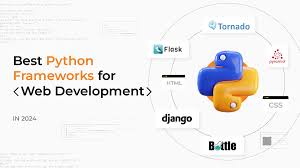
The Power of Python in Web Design
Python, known for its simplicity and readability, has gained popularity not only in software development but also in web design. With its versatile libraries and frameworks, Python offers web developers a robust toolkit to create dynamic and responsive websites.
Benefits of Using Python in Web Design
**Versatility**: Python’s versatility allows developers to build websites ranging from simple static pages to complex web applications with ease.
**Rich Ecosystem**: Python boasts a rich ecosystem of libraries such as Django, Flask, and Pyramid that streamline the development process and enhance functionality.
**Scalability**: Python’s scalability makes it suitable for projects of all sizes, ensuring that websites can grow alongside the business.
Popular Python Frameworks for Web Design
Django: Known for its “batteries-included” approach, Django simplifies web development by providing ready-to-use components for authentication, database management, and more.
Flask: Flask is a lightweight framework ideal for small to medium-sized projects, offering flexibility and extensibility to developers.
Pyramid: Pyramid is a full-stack framework that prioritises flexibility and allows developers to choose the components they need for their specific project requirements.
The Future of Python in Web Design
As the demand for dynamic and interactive websites continues to rise, Python’s role in web design is set to grow further. Its user-friendly syntax, powerful libraries, and supportive community make it a top choice for developers looking to create cutting-edge web experiences.
Top 7 FAQs About Using Python for Web Design and Development
- Can I learn Python in 7 days?
- Is Python or C++ better for web development?
- Can I use Python for front-end?
- Can Python be used for web design?
- Can you use Python with HTML and CSS?
- Is Python good for web?
- Is Python really good for web development?
Can I learn Python in 7 days?
The question “Can I learn Python in 7 days?” is a common query among beginners eager to dive into the world of programming. While it is possible to grasp the basics of Python within a week through intensive study and practice, mastering the language in its entirety requires consistent effort and dedication over a more extended period. Learning Python involves understanding its syntax, data structures, functions, and libraries, which may take time to fully comprehend and apply effectively. Patience, persistence, and continuous learning are key to becoming proficient in Python web design and harnessing its capabilities to create innovative solutions.
Is Python or C++ better for web development?
When considering Python versus C++ for web development, the choice often boils down to the specific requirements of the project. Python, with its simplicity and readability, is favoured for rapid development and prototyping of web applications. Its rich ecosystem of libraries and frameworks, such as Django and Flask, streamlines the development process and enhances productivity. On the other hand, C++, known for its performance and efficiency, may be preferred for projects requiring high-speed processing or low-level system interactions. Ultimately, the decision between Python and C++ in web development hinges on factors like project complexity, performance needs, and developer expertise.
Can I use Python for front-end?
When it comes to front-end development, Python is primarily used for back-end tasks rather than front-end design. While Python is not typically used as a front-end language like HTML, CSS, and JavaScript, it can still play a role in the overall web development process. Developers often utilise Python for server-side scripting, data processing, and business logic implementation in conjunction with front-end technologies to create dynamic and interactive websites. By leveraging the strengths of both front-end and back-end technologies, developers can build robust web applications that deliver a seamless user experience.
Can Python be used for web design?
Python is a versatile programming language that can indeed be used for web design. With its rich ecosystem of libraries and frameworks like Django, Flask, and Pyramid, Python empowers developers to create dynamic and responsive websites with ease. Whether it’s building simple static pages or complex web applications, Python’s readability and scalability make it a popular choice for web design projects of all sizes. Its user-friendly syntax and robust capabilities continue to solidify Python’s position as a valuable tool in the realm of web development.
Can you use Python with HTML and CSS?
When it comes to Python web design, a common query is whether Python can be used in conjunction with HTML and CSS. The answer is yes – Python can seamlessly integrate with HTML and CSS to create dynamic and visually appealing websites. While HTML defines the structure of a web page and CSS controls its styling, Python can be employed to handle the backend logic, data processing, and server-side functionalities. This trifecta of technologies allows developers to leverage the strengths of each language to build interactive and feature-rich web applications that cater to diverse user needs effectively.
Is Python good for web?
When it comes to web design, Python is indeed a strong contender. Its versatility, rich ecosystem of libraries and frameworks, and scalability make it a favourable choice for web development projects of varying complexities. Python’s user-friendly syntax and the support of active developer communities further enhance its appeal in the realm of web design. With popular frameworks like Django, Flask, and Pyramid offering robust tools and solutions, Python proves to be well-suited for creating dynamic and responsive websites that meet the evolving demands of the digital landscape.
Is Python really good for web development?
When considering Python for web development, the answer is a resounding yes. Python’s versatility, rich ecosystem of libraries and frameworks like Django, Flask, and Pyramid, as well as its scalability make it an excellent choice for creating dynamic and responsive websites. With Python’s user-friendly syntax and extensive community support, developers can leverage its power to build anything from simple static pages to complex web applications with ease. The future of Python in web design looks promising as its popularity continues to grow in the ever-evolving digital landscape.