
The Art of Crafting the Best Website: A Guide to Website Development
In today’s digital age, having a strong online presence is crucial for businesses and individuals alike. A well-designed website serves as a virtual storefront, offering visitors a glimpse into what you have to offer and why they should choose you over the competition.
Key Elements of Website Development
Creating the best website involves a combination of design, functionality, and user experience. Here are some key elements to consider:
- Responsive Design: Ensuring your website looks great and functions seamlessly across all devices, from desktops to smartphones.
- User-Friendly Navigation: Making it easy for visitors to find what they’re looking for with intuitive navigation menus and clear calls-to-action.
- Engaging Content: Providing valuable and relevant content that captures visitors’ attention and encourages them to explore further.
- Optimised Performance: Ensuring fast loading times and smooth performance to keep visitors engaged and prevent them from bouncing off your site.
- SEO-Friendly Structure: Implementing SEO best practices to improve your website’s visibility in search engine results.
- Security Measures: Protecting your website and visitors’ data with robust security protocols and regular updates.
The Website Development Process
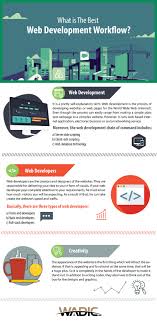
Developing the best website requires careful planning and execution. The typical website development process includes the following stages:
- Planning: Defining goals, target audience, content strategy, and desired features.
- Design: Creating wireframes, mockups, and visual elements that reflect your brand identity.
- Development: Building the website using coding languages such as HTML, CSS, JavaScript, and integrating necessary functionalities.
- Testing: Conducting thorough testing to ensure the website works as intended across different browsers and devices.
- Launch & Maintenance: Deploying the website live and monitoring its performance while making updates as needed.
The Impact of a Great Website
A well-crafted website can have a significant impact on your business or personal brand. It can help you attract new customers, build credibility, increase conversions, and stay ahead of the competition. Investing in the best website development is an investment in your online success.
Top Benefits of Superior Website Development: Elevating User Experience, Brand Image, and More
- Enhanced User Experience
- Improved Brand Image
- Higher Search Engine Rankings
- Increased Conversion Rates
- Cross-Device Compatibility
- Better Security Measures
Challenges of Website Development: Navigating Costs, Time, Expertise, Maintenance, and Complexity
- Costly investment
- Time-consuming process
- Technical expertise required
- Maintenance needs
- Potential for complexity
Enhanced User Experience
Enhanced User Experience is a key advantage of best website development. By prioritising user-centric design and functionality, a well-developed website offers a seamless and intuitive experience for visitors. Navigating the site becomes effortless, content is easily accessible, and interactions are smooth, ultimately keeping users engaged and satisfied. This positive user experience not only encourages visitors to explore further but also enhances brand perception and fosters long-term relationships with customers.
Improved Brand Image
An essential benefit of investing in the best website development is the improved brand image it brings. A meticulously crafted website exudes professionalism and credibility, elevating your brand’s reputation in the eyes of visitors. By presenting a visually appealing and user-friendly online platform, you establish trust with your audience and leave a lasting impression that sets you apart as a reliable and reputable entity in your industry.
Higher Search Engine Rankings
Optimised websites resulting from best website development practices have a distinct advantage in the digital landscape by achieving higher search engine rankings. By adhering to SEO best practices, these websites are more likely to appear prominently in search engine results, enhancing their visibility and attracting a greater volume of organic traffic. This increased exposure not only boosts brand awareness but also elevates the potential for engagement and conversions, ultimately contributing to the overall success and growth of the online presence.
Increased Conversion Rates
Effective website development plays a crucial role in boosting conversion rates by creating user-friendly interfaces that guide visitors towards their desired actions. When users can easily navigate a website and intuitively find what they are looking for, they are more likely to engage with the content and ultimately convert, whether that means making a purchase, signing up for a newsletter, or filling out a contact form. By focusing on creating an optimal user experience through best website development practices, businesses can significantly enhance their conversion rates and achieve their goals more effectively.
Cross-Device Compatibility
Cross-Device Compatibility is a key advantage of investing in the best website development. By ensuring that a website is responsive and functions flawlessly on different devices, businesses can expand their reach and engage with a broader audience. Whether visitors access the site on a desktop, laptop, tablet, or smartphone, a responsive design guarantees a consistent and user-friendly experience, ultimately enhancing user satisfaction and increasing the chances of conversion. Embracing cross-device compatibility is essential in today’s digital landscape to cater to the diverse preferences and habits of online users.
Better Security Measures
Top-tier website development incorporates advanced security measures to safeguard data and establish credibility with visitors. By implementing robust security features, such as encryption protocols and regular security updates, a well-developed website can instil confidence in users, assuring them that their information is safe and protected. Prioritising security in website development not only mitigates the risk of cyber threats but also fosters trust and loyalty among visitors, ultimately enhancing the overall user experience.
Costly investment
Developing the best website can pose a notable drawback in terms of cost. This aspect of website development can be a substantial financial commitment, particularly for small businesses or individuals operating within budget constraints. The expenses associated with creating a top-tier website, encompassing design, functionality, optimization, and ongoing maintenance, can present a challenge for those with limited resources. Careful consideration and budget planning are essential to ensure that the investment in website development aligns with the overall financial goals and capabilities of the business or individual.
Time-consuming process
Creating a top-notch website can be a time-consuming process due to the meticulous planning, design, development, and testing involved. Each stage demands attention to detail and iteration to ensure the final product meets high standards. From defining goals and user experience to coding functionalities and conducting thorough testing, the process of crafting the best website requires patience and dedication to achieve a polished result. Despite the time investment, the outcome of a well-developed website can significantly benefit businesses and individuals in establishing a strong online presence.
Technical expertise required
One significant drawback of striving for the best website development is the technical expertise required. Crafting a top-tier website often demands a deep understanding of coding languages and web development tools that may be beyond the skillset of many individuals. Without this specialised knowledge, creating a truly exceptional website can be a daunting task, potentially leading to subpar results or the need to rely on external expertise, which can incur additional costs and time delays.
Maintenance needs
One significant drawback of pursuing the best website development is the ongoing maintenance needs it entails. Sustaining a high-quality website that operates smoothly over time requires consistent attention to updates, security checks, and content management. This continuous effort to ensure the website remains relevant, secure, and optimised can demand significant resources in terms of time, expertise, and financial investment. Failure to address these maintenance requirements promptly can lead to performance issues, security vulnerabilities, and a decline in user experience, ultimately impacting the effectiveness and reputation of the website.
Potential for complexity
As websites evolve to incorporate more sophisticated features and functionalities in the pursuit of being the best, they also introduce a potential con: the risk of complexity. With this complexity comes a heightened chance of encountering technical issues and compatibility challenges. As developers strive to push the boundaries of website development, there is a delicate balance between innovation and ensuring a seamless user experience. The challenge lies in managing this complexity effectively to deliver a website that not only impresses visitors but also functions flawlessly across various platforms and devices.