
Internet Marketing and SEO: A Practical Guide to Growing Online
Internet marketing helps businesses reach potential customers through digital channels such as websites, search engines, social media, email and online advertising. Search engine optimisation (SEO) is an important part of this mix. It helps a website appear more prominently in organic search results, making it easier for people to find relevant products, services and information.
SEO is not a quick fix or a one-off task. It is an ongoing process that combines useful content, a well-built website and a clear understanding of what customers are searching for. When it is part of a broader internet marketing strategy, SEO can help attract relevant visitors and support long-term business growth.
How SEO Fits into Internet Marketing
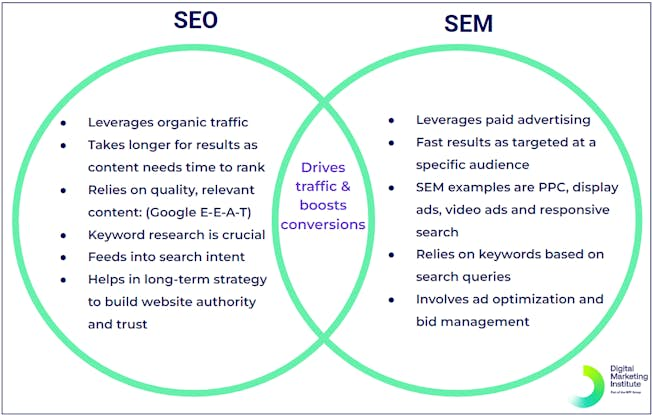
Internet marketing brings together different ways of connecting with an online audience. Paid search advertising can generate visibility quickly, while email marketing can build relationships with existing customers. Social media can help businesses share content and engage with their communities. SEO complements these channels by improving a website’s visibility in unpaid search results.
These channels can also support one another. For example, a helpful article created for SEO may be shared on social media or included in an email newsletter. Insights from advertising campaigns can reveal which messages resonate with customers, helping inform website content. A coordinated approach makes it easier to deliver a consistent experience across the customer journey.
Start with Your Audience and Search Intent
Effective SEO begins with understanding the people a business wants to reach. Consider their needs, questions and challenges, as well as the words they might use when searching online. Keyword research can help identify these search terms, but the goal is not simply to add keywords to a page. The content should satisfy the reason behind the search.
Search intent is often grouped into a few broad categories:
- Informational: The person is looking for an answer or explanation.
- Navigational: The person wants to find a particular website or brand.
- Commercial: The person is comparing products or services before making a decision.
- Transactional: The person is ready to take an action, such as making a purchase or requesting a quote.
Matching a page to its audience’s intent makes it more useful and can improve its chances of performing well in search results.
Create Helpful, High-Quality Content
Content is central to both SEO and wider internet marketing. It may include service pages, product descriptions, guides, articles, videos or frequently asked questions. Good content is accurate, clear and genuinely useful. It should answer the reader’s questions and make the next step easy to understand.
Rather than producing large volumes of pages around similar keywords, focus on building a smaller collection of thorough, distinctive resources. Use descriptive headings, concise paragraphs and examples where they help explain a topic. Keep important information up to date, particularly when products, services or industry guidance change.
Keywords should appear naturally in page titles, headings and body text where relevant. Repeating the same phrase excessively can make content difficult to read and does not create a good experience for visitors.
Make Your Website Easy to Use
A website should work well for both visitors and search engines. Technical SEO helps search engines discover, crawl and understand the pages on a site. It also supports a smoother experience for people using the website.
Key areas to review include:
- Mobile usability: Pages should be easy to read and navigate on smaller screens.
- Page speed: Compressing images and reducing unnecessary code can help pages load more quickly.
- Site structure: Clear navigation and sensible internal links help visitors find relevant information.
- Indexing: Important pages should be accessible to search engines and not accidentally blocked.
- Security: HTTPS helps protect the connection between a website and its visitors.
- Accessibility: Clear text, descriptive links and alternative text for images can make content easier for more people to use.
Build Trust and Authority
Search visibility is influenced by more than the words on a page. A business can strengthen its online reputation by offering reliable information, providing a good customer experience and earning relevant mentions or links from other reputable websites.
Links should be earned because the content is valuable, not acquired through manipulative schemes. Useful resources, original research and expert commentary can give other publishers a genuine reason to refer to a website. Businesses should also keep their contact details and information consistent across appropriate online listings.
Measure Progress and Keep Improving
SEO results take time, so it is important to track progress using measures that relate to business objectives. These may include organic visits, search impressions, rankings for relevant terms, enquiries, sales or other meaningful conversions. Analytics and search performance tools can help show how people find and use a website.
Use the data to identify opportunities. A page with many impressions but few clicks may need a clearer title or description. A page that attracts visitors but few enquiries may need more relevant information or a more prominent call to action. Regular reviews help businesses refine their content and website over time.
Common SEO Mistakes to Avoid
- Writing for search engines instead of people.
- Repeating keywords unnaturally.
- Publishing thin or duplicated content.
- Ignoring mobile usability and page speed.
- Expecting immediate results from an ongoing strategy.
- Buying links or using tactics that attempt to manipulate rankings.
- Focusing on rankings alone rather than useful visits and business outcomes.
Make SEO Part of a Wider Strategy
SEO works best when it supports a clear internet marketing plan. Start by understanding your audience, setting measurable goals and ensuring your website provides a useful experience. Then create relevant content, improve the technical foundations of your site and review performance regularly.
With a consistent, customer-focused approach, SEO can help the right people discover a business online and contribute to stronger results across its wider digital marketing activity.
Frequently Asked Questions About SEO in Internet Marketing: A Comprehensive Guide for Beginners
- What is SEO for beginners?
- How much does SEO cost in the UK?
- What is an example of SEO?
- What is an example of an SEO?
- What is SEO in internet marketing?
- What is SEO example?
- How do I start SEO for beginners?
- What is difference between SEO and digital marketing?
- How do I use SEO in digital marketing?
- How do beginners do SEO?
- How Internet marketing is different from SEO marketing?
- Why is SEO important in Internet marketing?
- What is Internet marketing in SEO?
- How can SEO be used in marketing?
- What is an SEO in marketing?
- What is SEO in simple words?
- Is SEO a high paying job?
- What are examples of SEO marketing?
- What is the importance of SEO in Internet marketing?
- What are the 4 types of SEO?
- What are the four types of SEO?
- What is difference between SEO and online marketing?
What is SEO for beginners?
SEO, or search engine optimisation, is the process of improving a website so it is easier for search engines such as Google to understand and show in relevant search results. For beginners, the basics include creating helpful content that answers people’s questions, using clear page titles and headings, making the site mobile-friendly and fast, and organising pages so they are easy to navigate. SEO takes time, but steady improvements can help more of the right people find your website through unpaid search results.
How much does SEO cost in the UK?
The cost of SEO in the UK varies depending on your goals, the competitiveness of your industry and the amount of work required. As a guide, freelancers may charge a few hundred pounds a month, while specialist agencies often charge from several hundred to several thousand pounds per month for ongoing support. One-off SEO audits and projects are usually priced according to their scope. When comparing quotes, check what’s included, how results will be measured and whether the strategy is tailored to your business—rather than choosing on price alone.
What is an example of SEO?
An example of SEO is a local bakery improving its website so it appears when people search for “fresh bread in Manchester”. The bakery might create a clear page about its products and location, use relevant phrases naturally, make the site mobile-friendly and add accurate opening hours and contact details. These changes help search engines understand the page and make it easier for nearby customers to find the bakery in organic search results.
What is an example of an SEO?
An example of SEO is improving a bakery’s website so it appears in search results when people look for “fresh bread in Manchester”. The bakery might create a clear page about its products and location, use relevant phrases naturally in its headings and text, make sure the site works well on mobile devices, and add accurate business details to online listings. These steps help search engines understand the page and can make it easier for local customers to find.
What is SEO in internet marketing?
SEO, or search engine optimisation, is the part of internet marketing that helps a website appear more prominently in unpaid search results. It involves improving a site’s content, structure and technical performance so search engines can understand its pages and people can find useful, relevant information. The aim is to attract visitors who are actively searching for the products, services or answers a business offers.
What is SEO example?
An example of SEO is a local plumber creating a page about emergency plumbing services in their area. The page uses clear, relevant information, a descriptive title such as “Emergency Plumber in Bristol”, and details of the services offered. By making the page useful and easy for search engines to understand, the plumber may improve its chances of appearing when nearby customers search for emergency plumbing help.
How do I start SEO for beginners?
To start SEO as a beginner, first make sure your website is easy to use, works well on mobile and loads quickly. Then learn what your audience is searching for by researching relevant keywords and the questions they ask. Create clear, helpful pages that answer those needs, using descriptive page titles, headings and natural language. Add links between related pages, and set up tools such as Google Search Console to monitor how your site appears in search results. SEO takes time, so review your progress regularly and improve your content based on what visitors find useful.
What is difference between SEO and digital marketing?
SEO (search engine optimisation) is the process of improving a website so it is more visible in unpaid search engine results and attracts relevant visitors. Digital marketing is a broader term for promoting a business online, using channels such as SEO, paid advertising, social media, email marketing and content marketing. In short, SEO is one part of digital marketing, while digital marketing brings together multiple online tactics to reach customers and achieve business goals.
How do I use SEO in digital marketing?
Use SEO in digital marketing by making your website easy to find, understand and use. Research the terms your audience searches for, then create helpful content that answers their needs and reflects their search intent. Optimise page titles, headings, descriptions, internal links and images, while ensuring your site is mobile-friendly, secure and quick to load. Track organic visits, enquiries and sales to see what is working, and update your approach over time. SEO works best as part of a wider strategy alongside channels such as email, social media and paid advertising.
How do beginners do SEO?
Beginners can start SEO by understanding what their audience is searching for and creating clear, useful content that answers those questions. Choose a few relevant search terms, use them naturally in page titles, headings and text, and organise your website so visitors can find information easily. Make sure the site works well on mobile, loads quickly and can be indexed by search engines. Track visits and enquiries using analytics tools, then improve pages over time. SEO takes patience, so focus on helping people rather than trying to achieve instant rankings.
How Internet marketing is different from SEO marketing?
Internet marketing is the broad promotion of a business, product or service through online channels such as social media, email, paid advertising and websites. SEO marketing is one part of internet marketing, focused specifically on improving a website’s visibility in unpaid search engine results. In short, internet marketing covers a range of digital activities, while SEO concentrates on helping people find relevant pages through search.
Why is SEO important in Internet marketing?
SEO is important in internet marketing because it helps potential customers find your website through organic search results when they’re looking for relevant products, services or information. By improving your site’s content, structure and usability, SEO can attract more qualified visitors, build credibility and support enquiries or sales over time. Unlike paid advertising, organic visibility can continue to bring visitors without paying for each click, although SEO requires ongoing effort and results can take time.
What is Internet marketing in SEO?
Internet marketing in SEO means using search engine optimisation as part of a wider digital marketing strategy to help people discover a business online. It involves improving a website’s content, structure and technical performance so that relevant pages can appear more prominently in organic search results. Unlike paid advertising, SEO focuses on earning unpaid visibility by providing useful information that matches what people are searching for. It works best alongside other internet marketing channels, such as social media, email and online advertising.
How can SEO be used in marketing?
SEO can be used in marketing to help your website appear in search results when potential customers are looking for relevant products, services or information. By researching the terms your audience uses, creating useful content and improving your website’s structure and performance, you can attract more relevant organic visitors. SEO also supports other marketing activities by building brand awareness, strengthening credibility and providing insights into customer needs. Results take time, so it works best as an ongoing part of a wider marketing strategy.
What is an SEO in marketing?
In marketing, an SEO (search engine optimiser) is a person who improves a website’s visibility in unpaid search engine results. They research what potential customers are searching for, optimise website content and structure, address technical issues, and assess performance over time. SEO can also refer to search engine optimisation itself—the ongoing practice of helping relevant audiences find a business through search.
What is SEO in simple words?
SEO, or search engine optimisation, is the process of improving a website so it is easier to find in search engines such as Google. In simple terms, it helps the right people discover your website when they search for information, products or services you offer. SEO includes creating useful content, making pages easy to use and ensuring search engines can understand your site.
Is SEO a high paying job?
SEO can be a well-paid career, particularly for experienced specialists who can demonstrate results and combine technical SEO, content strategy, analytics and digital marketing skills. Earnings vary depending on experience, location and whether you work in-house, at an agency or as a freelancer, so SEO is not automatically a high-paying job—but strong expertise and a proven track record can open the door to senior roles and higher fees.
What are examples of SEO marketing?
Examples of SEO marketing include researching the phrases potential customers use in search engines, creating useful pages and articles that answer their questions, and improving page titles, headings and descriptions so content is easier to understand. Businesses can also optimise their website’s speed and mobile usability, add relevant internal links, and earn reputable links from other websites. For local businesses, keeping business details accurate in online directories and creating location-specific pages can support local SEO. These activities aim to make a website more visible in organic search results and attract visitors who are looking for relevant information, products or services.
What is the importance of SEO in Internet marketing?
SEO is important in internet marketing because it helps people discover your website through unpaid search results when they are looking for relevant information, products or services. By improving your site’s content, structure and usability, SEO can attract more relevant visitors, build trust and support enquiries or sales over time. It also complements channels such as social media, email and paid advertising, making it an essential part of a balanced digital marketing strategy.
What are the 4 types of SEO?
The four commonly recognised types of SEO are on-page, off-page, technical and local SEO. On-page SEO focuses on improving website content, headings and keywords; off-page SEO builds credibility through signals such as reputable links and brand mentions; technical SEO helps search engines crawl and understand a site, while improving factors such as speed and mobile usability; and local SEO helps businesses appear in searches relevant to a particular location, often through local listings and location-specific information. These areas work together to improve a website’s visibility and help the right audience find it.
What are the four types of SEO?
The four commonly recognised types of SEO are on-page, off-page, technical and local SEO. On-page SEO improves the content and elements on your website, such as headings, keywords and page titles. Off-page SEO focuses on building your site’s reputation through signals from elsewhere online, including quality links and brand mentions. Technical SEO helps search engines crawl and understand your website, while improving factors such as speed and mobile usability. Local SEO helps businesses appear in location-based searches, making it easier for nearby customers to find them.
What is difference between SEO and online marketing?
SEO (search engine optimisation) focuses on improving a website’s visibility in unpaid search results by making its content and technical structure more useful to both visitors and search engines. Online marketing is a broader term for promoting a business through digital channels, including SEO, paid advertising, social media, email marketing and content marketing. In short, SEO is one part of online marketing, while online marketing covers the full range of ways to reach and engage customers on the internet.