
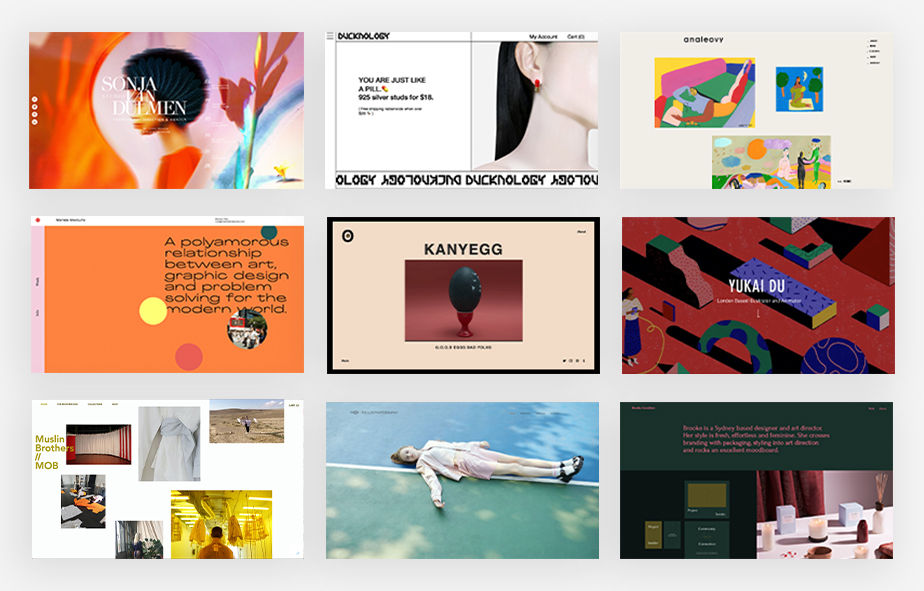
Web Graphic Design: Creating Visual Experiences for the Web
Web graphic design is the art of using visual elements to make websites clear, engaging and memorable. It brings together colour, typography, images, illustrations and layout to help a website communicate its message and guide visitors through its content.
Good web design is more than decoration. Every visual choice should support the purpose of the site, make information easier to understand and help people find what they need. When design and usability work together, a website can make a stronger impression and offer a more enjoyable experience.
What Does Web Graphic Design Include?
Web graphic design covers the visual components that shape a website, including:
- Colour palettes: colours that establish a recognisable look and create contrast between important elements.
- Typography: the choice and arrangement of typefaces, sizes and spacing to make text readable and create a clear hierarchy.
- Images and illustrations: visual content that explains ideas, adds personality and supports the written message.
- Icons and interface graphics: small visual cues that help users understand menus, buttons and other features.
- Page layouts: the way text, images and interactive elements are organised on a screen.
- Branding: the consistent use of elements such as logos, colours and visual styles across the website.
The Principles of Effective Web Design
Clarity and visual hierarchy
Visitors should be able to understand what a page is about and where to look next. Designers create visual hierarchy by varying the size, weight and placement of elements. A prominent heading, clear subheadings and well-positioned calls to action can make a page easier to scan.
Consistency
Consistent colours, typography, spacing and button styles help a website feel coherent. Familiar patterns also make it easier for visitors to move from one page to another without having to learn a new layout each time.
Balance and whitespace
A page crowded with content can feel difficult to navigate, while a page with too little structure may seem unfinished. Balanced layouts give elements room to breathe and use whitespace—the empty space around content—to improve focus and readability.
Accessibility
Design should work for as many people as possible. Readable type, strong colour contrast, clear labels and meaningful alternative text for images can make a website more accessible. Important information should not be conveyed through colour alone, as some visitors may not distinguish between particular colours.
Responsive design
People visit websites on a range of devices, from mobile phones to desktop computers. Responsive design adapts layouts and visual elements to different screen sizes, helping content remain readable and usable wherever it is viewed.
Designing for the User
Effective web graphic design starts with an understanding of the people who will use the site. Their needs, expectations and level of familiarity with the subject should influence decisions about layout, imagery, language and navigation.
For example, an online shop may need prominent product photography, clear pricing and an easy-to-find purchase button. A service business might prioritise concise explanations, evidence of expertise and a straightforward way to make an enquiry. In both cases, the visual design should help visitors complete their tasks rather than distract from them.
The Web Graphic Design Process
- Understand the brief: clarify the website’s purpose, audience, content and brand requirements.
- Plan the structure: organise pages and decide how visitors will move through the site.
- Develop the visual direction: select colours, typefaces, imagery and graphic styles that suit the brand and audience.
- Create and refine layouts: arrange content for desktop and mobile screens, then review the designs for clarity and consistency.
- Test the experience: check that text is readable, links and buttons are easy to identify, and the design works across devices.
Why Web Graphic Design Matters
A website often provides a first impression of a business, organisation or personal brand. A thoughtful visual design can make that impression clearer and more professional. It can also help visitors understand information, recognise a brand and feel confident taking the next step.
However, visual appeal alone is not enough. A successful website combines attractive graphics with useful content, intuitive navigation, accessibility and reliable performance. The best design choices are those that make the site both distinctive and easy to use.
Conclusion
Web graphic design shapes how people see, understand and interact with a website. By combining a strong visual identity with clear layouts and user-focused principles, designers can create online experiences that look polished and work well across devices. Whether building a new site or improving an existing one, thoughtful design helps make every visit more effective.
Frequently Asked Questions About Web Graphic Design: Essential Insights and Guidance
- What is web graphic design?
- What does a web graphic designer do?
- How is web graphic design different from web design?
- Why is graphic design important for a website?
- What skills do you need to become a web graphic designer?
- Which tools are commonly used for web graphic design?
- How much does web graphic design cost in the UK?
- How can I make my website’s graphic design more accessible?
- What makes a good graphic design for a website?
What is web graphic design?
Web graphic design is the creation and arrangement of visual elements on a website, including colours, typography, images, icons and page layouts. Its purpose is to make a site attractive, easy to understand and simple to use, while reflecting the brand’s identity. Effective web graphic design also considers accessibility and responsive layouts so that content works well across different devices and for a wide range of visitors.
What does a web graphic designer do?
A web graphic designer creates the visual elements of websites, including layouts, colour schemes, typography, images, icons and buttons. They use these elements to reflect a brand’s identity, make information easy to understand and help visitors navigate the site. Their work also considers accessibility and responsive design, so the website looks clear and works well across different devices.
How is web graphic design different from web design?
Web graphic design focuses on a website’s visual elements, such as colours, typography, images, icons and page layouts. Web design is broader: it considers how the entire site looks and works, including its structure, navigation, usability and responsiveness. In short, graphic design helps shape the visual experience, while web design brings those visuals together with functionality to create a site that is both attractive and easy to use.
Why is graphic design important for a website?
Graphic design is important for a website because it helps create a strong first impression, communicate your brand’s identity and make information easier to understand. Clear layouts, readable typography, suitable colours and well-chosen images guide visitors through the site and help them find what they need. Thoughtful design can also build trust and encourage people to take action, while accessible, responsive visuals make the experience more useful across different devices and for a wider range of visitors.
What skills do you need to become a web graphic designer?
To become a web graphic designer, you need a strong eye for layout, colour, typography and visual communication, alongside creativity and attention to detail. Familiarity with design tools such as Adobe Photoshop, Illustrator or Figma is useful, as are basic skills in HTML and CSS to help you understand how designs work on the web. It is also important to know the principles of responsive and accessible design, communicate clearly, manage your time and respond constructively to feedback. Above all, a willingness to keep learning helps you stay up to date with changing tools, technologies and design trends.
Which tools are commonly used for web graphic design?
Commonly used tools for web graphic design include Adobe Photoshop and Illustrator for editing images and creating illustrations, and Figma for designing interface layouts and collaborating with others. Sketch and Adobe XD are also used for interface design and prototyping, while Canva can be useful for creating simpler graphics quickly. The right tool depends on the project, the designer’s experience and whether the work involves image editing, branding, page layouts or interactive prototypes.
How much does web graphic design cost in the UK?
The cost of web graphic design in the UK varies depending on the scope, complexity and experience of the designer. A simple design for a small website may cost a few hundred pounds, while bespoke designs with multiple page layouts, custom graphics and responsive versions can run into several thousand pounds; agency projects may cost more. The price may cover design only, or include research, revisions, branding and development, so it is worth checking exactly what is included and requesting a detailed quote before work begins.
How can I make my website’s graphic design more accessible?
To make your website’s graphic design more accessible, use strong colour contrast and don’t rely on colour alone to communicate important information. Choose clear, readable fonts and keep text well-spaced, with headings that make content easy to scan. Add descriptive alternative text to meaningful images, provide visible focus states for keyboard users, and make buttons and links easy to identify. Design for different screen sizes and test your site with accessibility tools and, where possible, with people who use assistive technology.
What makes a good graphic design for a website?
A good website graphic design is visually appealing, easy to navigate and consistent with the brand. It uses clear typography, a balanced colour palette, high-quality imagery and a well-organised layout to guide visitors towards important information and actions. It should also be responsive across devices, accessible to people with different needs and designed around the expectations of its audience.