
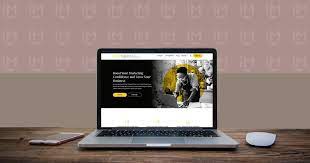
Web Design: Creating Websites That Work
Web design is about more than making a website look attractive. It brings together layout, colour, typography, images and interactive features to create an online experience that is clear, engaging and easy to use. A well-designed website helps visitors find what they need and understand what a business or organisation offers.
What Does Web Design Include?
Web design covers the visual appearance and practical experience of a website. It often involves:
- Layout: Organising content so visitors can scan pages and find important information.
- Visual identity: Using colours, typography and imagery to reflect a brand’s character.
- Navigation: Making it straightforward to move between pages and sections.
- Responsive design: Ensuring the website works well on mobile phones, tablets and desktop computers.
- Accessibility: Making content and features usable by people with a range of abilities and needs.
Why Good Web Design Matters
A website is often one of the first places people encounter a business. A clear, consistent design can help build trust and make a positive first impression. If pages are confusing, slow or difficult to use, visitors may leave before finding the information they need.
Good design also supports a website’s purpose. For example, an online shop should make products easy to browse and purchasing simple, while a service-based business may want to highlight its expertise and make it easy for prospective customers to get in touch.
Designing for the User
Effective web design begins with understanding the people who will use the site. What are they looking for? Which questions do they need answered? What action should they be able to take? These questions help shape the structure, content and features of each page.
Clear headings, readable text and familiar navigation can make a site easier to use. Calls to action, such as “Contact us” or “Shop now”, should be easy to spot without overwhelming the rest of the page.
Responsive and Accessible Websites
People visit websites using a wide range of devices and screen sizes. Responsive design allows page layouts to adapt, helping content remain readable and functional on smaller screens as well as larger ones.
Accessibility is another important consideration. Useful practices include providing alternative text for meaningful images, maintaining sufficient colour contrast, using descriptive links and ensuring that key features can be accessed with a keyboard. These choices can make a website more convenient for everyone.
Balancing Appearance and Performance
Large images, animations and complex features can affect loading times if they are not used carefully. A thoughtful design balances visual impact with performance, keeping pages focused and avoiding unnecessary elements. Clear, well-organised content also helps visitors understand the message quickly.
Keeping a Website Up to Date
Web design does not end when a site goes live. Content, products and services change, and technology continues to evolve. Regular reviews can help identify outdated information, broken links and areas where visitors may be experiencing difficulty. Feedback and website analytics can also provide useful insights into how people use the site.
Conclusion
Successful web design combines appearance, usability and purpose. By putting users first, designing for different devices and keeping accessibility and performance in mind, organisations can create websites that are both attractive and genuinely useful.
9 Essential Questions About Web Design: Understanding the Basics and Importance for Your Business
- What is web design?
- Why is good web design important for a business?
- How much does it cost to design a website?
- How long does it take to design and build a website?
- What is the difference between web design and web development?
- What makes a website user-friendly?
- Why does a website need responsive design?
- Can an existing website be redesigned?
- How often should a website’s design be updated?
What is web design?
Web design is the process of planning and creating a website’s layout, appearance and user experience. It includes elements such as colours, typography, images, navigation and page structure, as well as making sure the site works well on different devices. Good web design helps visitors find information easily and makes the website clear, accessible and engaging.
Why is good web design important for a business?
Good web design helps a business make a strong first impression, build trust and show visitors clearly what it offers. A well-organised, easy-to-use website makes it simpler for potential customers to find information, explore products or services and get in touch. It should also work smoothly on mobile devices and support accessibility, helping more people use the site. By guiding visitors towards useful actions—such as making an enquiry or placing an order—effective web design can support a business’s wider goals.
How much does it cost to design a website?
The cost of designing a website depends on its size, features and level of customisation. A simple site with a few pages will generally cost less than a bespoke website with e-commerce, booking tools or other advanced functionality. The amount of content, design revisions and ongoing support can also affect the price. For an accurate estimate, it’s best to discuss your goals and requirements with a web design provider and request a tailored quote.
How long does it take to design and build a website?
The time it takes to design and build a website depends on its size, complexity and the speed at which content and feedback are provided. A simple website may take a few weeks, while a larger site with custom features, e-commerce or integrations can take several months. The process typically includes planning, design, development, testing and launch, with clear communication at each stage helping keep the project on track.
What is the difference between web design and web development?
Web design focuses on how a website looks and feels, including its layout, colours, typography and user experience. Web development is the process of building and maintaining the site, using code to make its features work. In short, design shapes the visitor’s experience, while development brings the design to life—although the two often overlap and work closely together.
What makes a website user-friendly?
A user-friendly website is easy to understand and navigate, with clear menus, readable text and a consistent layout. It loads quickly, works well on mobiles, tablets and computers, and makes important information and actions easy to find. Good accessibility—such as clear colour contrast, descriptive links and keyboard-friendly features—also helps make the site usable for more people.
Why does a website need responsive design?
A website needs responsive design to provide a clear, easy-to-use experience across different devices, including mobile phones, tablets and desktop computers. Responsive layouts adapt to the screen size, so visitors can read content, navigate pages and use features without excessive zooming or scrolling. This can improve accessibility and engagement, support search visibility and help ensure your website makes a strong impression wherever it is viewed.
Can an existing website be redesigned?
Yes, an existing website can be redesigned to give it a fresh look, improve usability and make it work better on mobile devices. The process can also update your content, strengthen your brand identity and address issues such as slow loading times or confusing navigation. Before work begins, it’s useful to review what is already working well and agree on the changes needed to meet your goals.
How often should a website’s design be updated?
A website’s design should be reviewed regularly, but it does not necessarily need a complete redesign every year. Small updates can be made as your brand, content and customers’ needs change, while a more substantial refresh may be worthwhile every three to five years—or sooner if the site looks dated, performs poorly on mobile devices, is difficult to use or no longer supports your business goals. Regularly reviewing visitor feedback, website performance and accessibility can help you decide when changes are needed.