
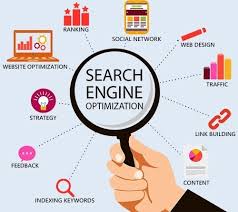
SEO and Online Marketing: A Practical Guide to Growing Your Business
Having a website is only the first step towards reaching customers online. To attract the right people and turn their interest into enquiries or sales, businesses need a clear online marketing strategy. Search engine optimisation (SEO) is an important part of that strategy: it helps people discover useful, relevant pages when they search for products, services or information.
SEO works best alongside other online marketing activities, such as content marketing, social media, email and paid advertising. Together, these channels can build visibility, strengthen trust and support sustainable business growth.
What is SEO?
SEO is the process of improving a website so that search engines can understand its content and people can find it more easily through relevant search results. It involves several areas, including the quality of a website’s content, its technical performance and the links and references it earns from other websites.
SEO is not a one-off task or a way to guarantee a particular ranking. Search engines update their systems, competitors improve their websites and customer needs change. Effective SEO is an ongoing process of research, improvement and measurement.
How SEO fits into online marketing
Online marketing covers the different ways a business reaches and engages people on the internet. SEO supports this wider effort by attracting visitors who are actively looking for answers, products or services.
- Content marketing provides helpful articles, guides, videos and other resources that answer customers’ questions.
- Social media helps businesses share content, build relationships and increase awareness.
- Email marketing keeps in touch with people who have chosen to hear from a business.
- Paid advertising can bring targeted visibility quickly, while organic SEO can build visibility over time.
- SEO helps make a website easier to find and use through organic search.
These channels can reinforce one another. For example, a useful guide published on a website can attract search traffic, be shared on social media and feature in an email newsletter.
Key elements of a successful SEO strategy
Understand your audience and search intent
Good SEO begins with understanding what potential customers are looking for. Keyword research can reveal the words and phrases people use, but it is just as important to understand their intent. Someone searching for general advice may need an educational guide, while someone comparing providers may be closer to making a decision.
Organise your website around the needs of your audience. Create clear pages for your main products or services, and provide useful supporting content for common questions. Avoid creating pages solely to repeat search terms.
Create useful, trustworthy content
Content should be accurate, original and genuinely helpful. Explain topics clearly, answer relevant questions and make it easy for readers to take the next step. Show your experience where appropriate, keep important information up to date and make claims that you can support.
Use descriptive headings to structure each page. Page titles and meta descriptions should accurately summarise the content and encourage people to visit, without making promises the page cannot fulfil.
Make your website technically sound
A technically healthy website helps search engines access and understand its pages, while giving visitors a better experience. Important considerations include:
- Fast loading times and reliable performance
- A design that works well on mobile devices
- Secure browsing through HTTPS
- Clear navigation and logical page structure
- Descriptive URLs and links
- Accessible text, images and interactive features
- Correct handling of broken links and duplicate pages
Technical improvements should support real users, not just search engines. A website that is easy to navigate and understand is more likely to help visitors find what they need.
Build authority naturally
Links from relevant, reputable websites can help people discover your business and may contribute to how search engines assess your site. The strongest approach is to earn attention through useful resources, original research, expertise and genuine relationships.
Avoid buying links or using schemes designed to manipulate rankings. These practices can put a website’s reputation and search visibility at risk.
Measure what matters
SEO results take time, so businesses should track progress consistently rather than judge success by rankings alone. Useful measures may include:
- Organic visits to important pages
- Search impressions and click-through rates
- Enquiries, bookings or sales from organic search
- Engagement with key content
- Conversions from different marketing channels
Use analytics and search reporting tools to identify what is working and where visitors may be encountering problems. Protect users’ privacy and follow applicable data protection requirements when collecting or using analytics data.
Common SEO mistakes to avoid
Some approaches can waste time or harm the visitor experience. Common mistakes include:
- Repeating keywords unnaturally throughout a page
- Publishing large amounts of thin or duplicated content
- Ignoring mobile usability and website speed
- Focusing on rankings without considering business outcomes
- Expecting immediate results from long-term organic work
- Using misleading tactics to gain links or manipulate search results
Getting started with SEO and online marketing
Start with a clear goal, such as increasing qualified enquiries or helping more customers find a particular service. Review your website, learn what your audience searches for and prioritise improvements that make the biggest difference to both users and the business.
SEO is most effective when it is part of a broader online marketing plan. By combining useful content, a technically sound website, credible promotion and regular measurement, businesses can build a stronger online presence and create lasting value for their customers.
15 Essential FAQs About SEO in Online Marketing
- What are examples of SEO marketing?
- How do beginners do SEO?
- How do I start SEO marketing?
- What is SEO and how it works?
- How can SEO be used in marketing?
- What is SEO online marketing?
- How do I do SEO marketing?
- What are the 4 types of SEO?
- Is SEO dead or evolving in 2026?
- What is the 3-3-3 rule in marketing?
- How to use SEO in online marketing?
- What is SEO example?
- Why is SEO important in online marketing?
- Why SEO is used in digital marketing?
- How to use SEO in digital marketing?
What are examples of SEO marketing?
Examples of SEO marketing include researching the terms your customers search for, creating helpful articles and service pages around those topics, improving page titles and headings, making your website faster and easier to use on mobile, and earning relevant links from reputable websites. A local business might also optimise its Google Business Profile and location pages, while an online shop could improve product descriptions and category pages. These activities help people find useful content through organic search and can encourage them to take the next step, such as making an enquiry or placing an order.
How do beginners do SEO?
Beginners can start SEO by understanding what their audience is searching for and creating clear, useful pages that answer those questions. Choose a few relevant search phrases, use them naturally in page titles, headings and content, and make sure the website is mobile-friendly, secure and easy to navigate. Set up tools such as Google Search Console to monitor how pages appear in search results, then use the data to improve them over time. SEO takes patience, so focus on helping visitors rather than trying to achieve quick ranking gains.
How do I start SEO marketing?
Start SEO marketing by setting a clear goal, such as attracting more relevant visitors, enquiries or sales. Research the terms your potential customers use and the questions they want answered, then create useful, original content around those needs. Make sure your website is easy to navigate, works well on mobile, loads quickly and has clear page titles and headings. Set up tools such as Google Search Console and analytics to monitor visibility and results, then review your progress regularly and improve your content and website over time. SEO takes time, so focus on consistent, user-friendly improvements rather than quick fixes or guaranteed rankings.
What is SEO and how it works?
SEO, or search engine optimisation, is the process of improving a website so that it is easier for search engines to understand and more likely to appear in relevant organic search results. It works by combining helpful, relevant content with a well-structured, technically sound website and credible links from other sites. Search engines use automated systems to discover and assess web pages, then rank them according to how well they appear to meet a searcher’s needs. SEO takes time and ongoing effort, but it can help the right people find your business when they are searching for information, products or services.
How can SEO be used in marketing?
SEO can be used in marketing to help your website appear in search results when potential customers look for relevant products, services or information. By researching the terms your audience uses, creating useful content, improving your website’s speed and usability, and earning links from reputable sites, you can attract more relevant organic traffic. SEO also supports other marketing activities: helpful pages can be shared through social media and email, while search data can reveal what customers care about. Measure results through meaningful outcomes, such as enquiries, bookings or sales, rather than rankings alone.
What is SEO online marketing?
SEO online marketing is the practice of improving a website so that it is easier to find in organic (unpaid) search results. It combines understanding what your audience searches for with creating helpful content, improving website performance and structure, and building credibility online. The aim is to attract relevant visitors who are looking for your products, services or expertise, and support business goals such as enquiries, bookings or sales.
How do I do SEO marketing?
To do SEO marketing, start by researching the terms your potential customers use and understanding what they hope to find. Create useful, original content that answers their questions, then optimise each page with clear headings, descriptive titles, relevant keywords and helpful internal links. Make sure your website is fast, mobile-friendly, secure and easy to navigate, and work to earn links through valuable content and genuine industry relationships. Track organic traffic, enquiries and sales using analytics tools, and regularly update your strategy based on the results. SEO takes time, so focus on steady improvements rather than quick fixes or guaranteed rankings.
What are the 4 types of SEO?
The four main types of SEO are **on-page SEO**, **off-page SEO**, **technical SEO** and **local SEO**. On-page SEO improves the content and elements on your website, such as headings, page titles and internal links. Off-page SEO focuses on building your site’s reputation through signals from other websites, including relevant backlinks. Technical SEO helps search engines crawl and understand your site, while improving factors such as speed, security and mobile usability. Local SEO helps businesses appear in searches connected to a specific area, making it especially useful for attracting nearby customers.
Is SEO dead or evolving in 2026?
As of 2026, SEO is far from dead; rather, it is evolving in response to technological advancements and changing user behaviours. The fundamentals of SEO—such as creating high-quality content and ensuring a seamless user experience—remain crucial. However, new elements have emerged, including the growing importance of voice search optimisation and AI-driven algorithms that personalise search results. Additionally, the rise of visual and video content has shifted how businesses approach keyword strategies and content creation. While traditional tactics may no longer suffice on their own, a comprehensive approach that embraces these innovations ensures that SEO continues to be a vital component of online marketing strategies.
What is the 3-3-3 rule in marketing?
The 3-3-3 rule in marketing is an informal guideline rather than a fixed industry standard, and its meaning can vary. One common interpretation is to capture someone’s attention in the first three seconds, give them a clear reason to engage over the next few minutes, and follow up over the following days. For SEO and online marketing, this means using clear headlines and relevant search snippets, providing genuinely useful content, and having a thoughtful follow-up plan—without treating the timings as a guarantee of results.
How to use SEO in online marketing?
To use SEO in online marketing, start by researching the words and questions your target audience uses when searching online. Create helpful, original content that answers those needs, and optimise your website with clear page titles, headings, descriptive links and a mobile-friendly design. Make sure your site loads quickly and is easy to navigate, then promote useful content through channels such as social media and email. Track organic visits, enquiries and sales to see what is working, and refine your approach over time. SEO is a long-term part of online marketing, so focus on providing value rather than trying to manipulate search rankings.
What is SEO example?
An example of SEO is a local plumber improving their website so it appears when people search for “emergency plumber in Manchester”. They might create a clear service page that uses relevant terms naturally, explains the services offered, includes genuine customer reviews and contact details, and works well on mobile phones. These improvements help search engines understand the page and make it more useful to potential customers, although they cannot guarantee a particular ranking.
Why is SEO important in online marketing?
SEO is important in online marketing because it helps people find your business when they search online for relevant products, services or information. By improving your website’s content, structure and performance, you can attract more qualified visitors, build trust and support enquiries or sales over time. Unlike paid advertising, organic search visibility does not depend on paying for every click, although SEO requires ongoing effort and cannot guarantee specific rankings.
Why SEO is used in digital marketing?
SEO is used in digital marketing to help a website appear more prominently in organic search results when people look for relevant products, services or information. By improving a site’s content, structure and performance, businesses can attract more qualified visitors, build credibility and make it easier for potential customers to find them online. Unlike paid advertising, organic SEO does not charge for each click, although it requires ongoing work and results can take time to develop.
How to use SEO in digital marketing?
Use SEO in digital marketing by making your website easier for people to find when they search for products, services or information related to your business. Research the terms your audience uses, then create useful, relevant content that answers their needs. Improve your site’s structure, page titles, mobile usability and loading speed, and earn quality links through credible, valuable resources. Track organic traffic, enquiries and sales to understand what is working, and refine your approach over time. SEO works best as part of a wider digital marketing strategy, supporting channels such as content marketing, social media and email.