
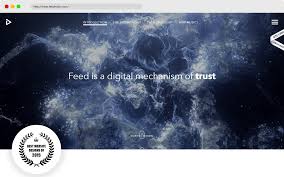
The Power of Innovative Web Design
In today’s digital age, a strong online presence is crucial for businesses looking to stand out and attract customers. One key element that can make a significant difference is innovative web design. Gone are the days of static, one-size-fits-all websites. Modern consumers expect dynamic, engaging, and user-friendly web experiences.
What is Innovative Web Design?
Innovative web design goes beyond just aesthetics. It involves creating websites that not only look visually appealing but also function seamlessly across different devices and browsers. It incorporates cutting-edge technologies, unique layouts, interactive elements, and intuitive navigation to provide users with an immersive and memorable experience.
The Benefits of Innovative Web Design
Embracing innovative web design can offer numerous benefits to businesses:
- Enhanced User Experience: Websites that are easy to navigate, visually appealing, and fast-loading can keep users engaged and encourage them to explore further.
- Improved Brand Perception: A well-designed website can help establish a strong brand identity and leave a lasting impression on visitors.
- Increased Conversion Rates: By creating a user-friendly interface and incorporating persuasive call-to-action elements, innovative web design can drive conversions and boost sales.
- SEO-Friendly Structure: Search engines favour websites with responsive designs and high-quality content, which can improve search engine rankings and visibility.
- Competitive Edge: Standing out in a crowded online marketplace requires innovation. Innovative web design can differentiate your brand from competitors and attract new customers.
Key Elements of Innovative Web Design
To create an innovative website, consider incorporating the following key elements:
- Responsive Design: Ensure your website looks great and functions well on all devices, including smartphones, tablets, and desktops.
- Animated Elements: Use subtle animations to add interactivity and visual interest without overwhelming the user.
- Microinteractions: Incorporate small interactive elements like hover effects or scrolling animations to engage users.
- Creative Typography: Experiment with different fonts, sizes, and styles to create a unique visual hierarchy.
- User-Centred Navigation: Make it easy for users to find what they’re looking for with intuitive navigation menus and search functionality.
The Future of Web Design
As technology continues to evolve at a rapid pace, the future of web design holds endless possibilities. From AI-powered interfaces to immersive virtual reality experiences, the potential for innovation in web design is limitless. By embracing new trends and technologies, businesses can stay ahead of the curve and deliver exceptional online experiences that captivate audiences.
Six Advantages of Innovative Web Design: Elevate User Experience and Boost Brand Success
- Enhanced user experience
- Improved brand perception
- Increased conversion rates
- SEO-friendly structure
- Competitive edge
- Differentiation from competitors
Challenges of Innovative Web Design: Complexity, Compatibility, and Cost
Enhanced user experience
Enhanced user experience is a key advantage of innovative web design. By focusing on creating websites that are easy to navigate, visually appealing, and fast-loading, businesses can keep users engaged and encourage them to explore further. A seamless user experience not only improves customer satisfaction but also increases the likelihood of conversions and repeat visits. Innovative web design elements such as intuitive interfaces, interactive features, and responsive layouts contribute to a positive user experience that leaves a lasting impression on visitors and helps build brand loyalty.
Improved brand perception
Innovative web design plays a crucial role in enhancing brand perception by creating visually captivating and user-friendly websites that leave a lasting impression on visitors. A well-crafted website not only reflects a brand’s identity and values but also instils trust and credibility among users. By incorporating innovative design elements, businesses can differentiate themselves from competitors, establish a strong brand presence online, and ultimately shape a positive perception of their brand in the minds of consumers.
Increased conversion rates
Innovative web design offers the significant advantage of increased conversion rates. By strategically incorporating user-friendly interfaces, compelling visuals, and persuasive call-to-action elements, businesses can effectively guide visitors towards desired actions, such as making a purchase or signing up for a newsletter. A well-designed website that optimises the user journey and encourages engagement can ultimately lead to higher conversion rates, boosting sales and achieving business objectives.
SEO-friendly structure
An SEO-friendly structure is a key advantage of innovative web design. By incorporating best practices such as responsive layouts, clean code, fast loading times, and high-quality content, websites can improve their search engine rankings and visibility. Search engines like Google reward websites that are user-friendly and provide valuable information to visitors. With an SEO-friendly structure, businesses can attract more organic traffic, reach a wider audience, and ultimately increase their online presence and competitiveness in the digital landscape.
Competitive edge
Incorporating innovative web design provides businesses with a competitive edge in the digital landscape. By embracing cutting-edge technologies, unique layouts, and interactive elements, companies can differentiate themselves from competitors and capture the attention of their target audience. A well-designed website that stands out for its creativity and user-centric approach not only enhances brand perception but also attracts new customers, ultimately leading to increased engagement and conversions. In today’s competitive market, innovative web design is a powerful tool that can set businesses apart and drive success in the online realm.
Differentiation from competitors
Innovative web design offers businesses a crucial advantage by enabling them to differentiate themselves from competitors in the crowded digital landscape. By incorporating unique layouts, interactive elements, and cutting-edge technologies, a website can stand out and leave a lasting impression on visitors. This differentiation not only attracts attention but also helps establish a strong brand identity that sets the business apart from others in the industry. Ultimately, innovative web design can be a powerful tool for businesses looking to carve out their own niche and capture the attention of their target audience.
Complexity
One significant downside of embracing innovative web design is the complexity it can introduce to the development process. While incorporating cutting-edge features and technologies can enhance user experience, it may also result in added technical challenges and longer project timelines. The intricacies involved in implementing advanced design elements can require more time and effort from developers, potentially leading to delays in project delivery. Balancing creativity with functionality becomes crucial to ensure that the final product remains user-friendly and efficient despite the complexities introduced during development.
Compatibility Issues
One significant drawback of innovative web design is the issue of compatibility. Not all cutting-edge design features are universally supported across various browsers and devices, leading to potential inconsistencies in user experiences. This can frustrate visitors who may encounter distorted layouts, malfunctioning interactive elements, or slow loading times depending on the platform they are using. Ensuring a seamless and consistent experience for all users becomes a challenge when innovative design elements do not translate well across different environments, highlighting the importance of thorough testing and consideration for compatibility in web development processes.
Cost
One significant drawback of innovative web design is the associated cost. Developing a truly innovative website often demands additional resources, such as specialised tools and expert developers with advanced skills. These requirements can escalate the overall cost of the project significantly. Businesses must carefully weigh the benefits of cutting-edge design against the financial investment needed to implement and maintain such innovative features on their website.