
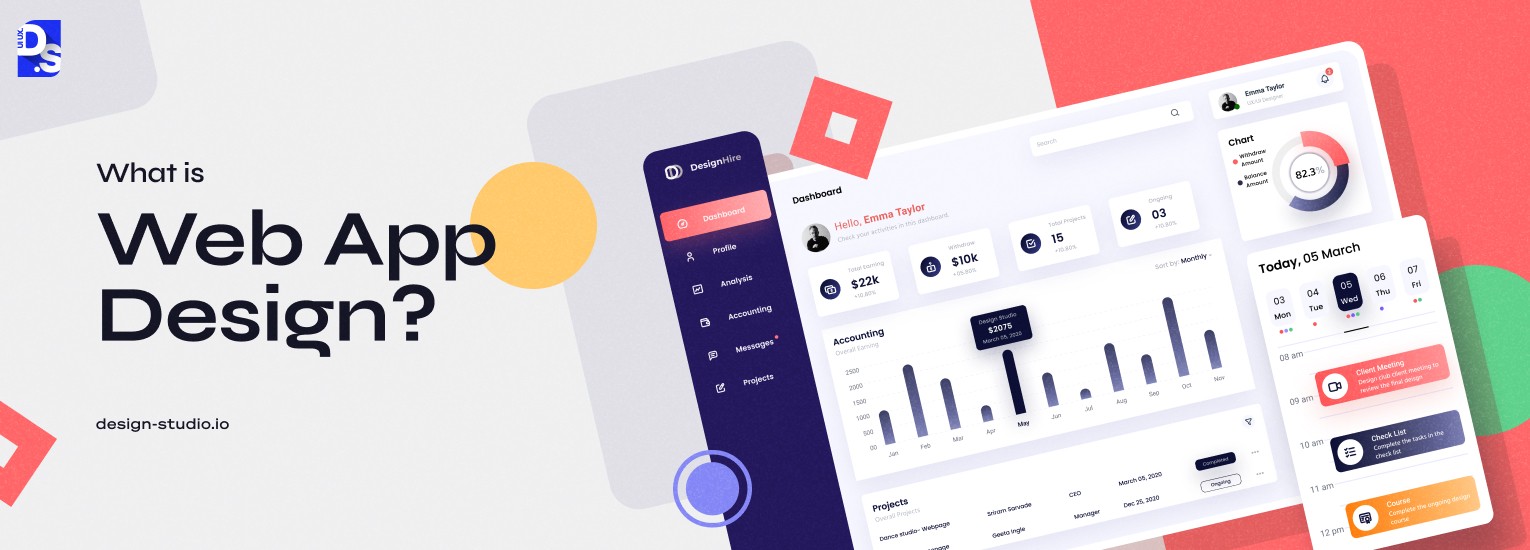
The Art of Web Design Applications
Web design applications have revolutionised the way websites are created and maintained in today’s digital age. These powerful tools empower designers and developers to craft visually stunning and user-friendly websites with ease.
Enhancing Creativity
Web design applications provide a plethora of features and functionalities that enhance creativity and streamline the design process. From drag-and-drop interfaces to pre-built templates and customisation options, these tools offer endless possibilities for creating unique and engaging web experiences.
Efficiency and Productivity
By utilising web design applications, designers can work more efficiently and productively. With built-in collaboration tools, real-time previews, and responsive design capabilities, teams can seamlessly work together to bring ideas to life in a timely manner.
Responsive Design
Responsive design is essential in today’s mobile-first world, and web design applications make it easier than ever to ensure websites look great on any device. With intuitive responsive design features, designers can preview how their sites will appear on various screen sizes and make adjustments accordingly.
SEO-Friendly Features
Many web design applications come equipped with SEO-friendly features that help improve a website’s visibility on search engines. From meta tags to image optimisation tools, these applications enable designers to create websites that are not only visually appealing but also easily discoverable online.
Conclusion
In conclusion, web design applications play a crucial role in shaping the digital landscape by empowering designers to create exceptional websites that captivate audiences across the globe. With their innovative features and user-friendly interfaces, these tools continue to push the boundaries of creativity and functionality in web design.
Seven Essential Tips for Effective Web Design Applications
- 1. Keep the design simple and clean for easy navigation.
- 2. Use high-quality images and graphics to enhance visual appeal.
- 3. Ensure your website is mobile-responsive for a seamless user experience on all devices.
- 4. Pay attention to typography for readability and aesthetics.
- 5. Include clear call-to-action buttons to guide users on what to do next.
- 6. Test your website across different browsers to ensure compatibility.
- 7. Regularly update and maintain your website to keep it fresh and relevant.
1. Keep the design simple and clean for easy navigation.
When using a web design application, it is essential to adhere to the principle of keeping the design simple and clean to facilitate easy navigation for users. By maintaining a minimalist approach with clear navigation elements and uncluttered layouts, designers can enhance the user experience and ensure that visitors can find the information they need quickly and intuitively. Simplifying the design not only improves usability but also contributes to a visually appealing and cohesive website that resonates with users.
2. Use high-quality images and graphics to enhance visual appeal.
In the realm of web design applications, a key tip to elevate the visual allure of a website is to utilise high-quality images and graphics. By incorporating crisp and visually striking visuals, designers can captivate visitors and leave a lasting impression. These elements not only enhance the aesthetic appeal of the site but also contribute to creating a professional and polished look that resonates with users. High-quality images and graphics play a pivotal role in engaging audiences and conveying brand messages effectively in the digital realm.
3. Ensure your website is mobile-responsive for a seamless user experience on all devices.
Ensuring that your website is mobile-responsive is a crucial tip in web design applications. With the increasing use of mobile devices to access the internet, it is essential to provide a seamless user experience across all devices. By optimising your website for mobile responsiveness, you can guarantee that visitors have easy navigation, readability, and functionality regardless of the device they are using. This not only enhances user satisfaction but also improves your site’s visibility and performance in search engine rankings.
4. Pay attention to typography for readability and aesthetics.
When using web design applications, it is essential to pay careful attention to typography to enhance both readability and aesthetics. Choosing the right fonts, sizes, spacing, and colours can significantly impact how users engage with the content on a website. Clear and well-considered typography not only makes the text easy to read but also contributes to the overall visual appeal of the design, creating a harmonious and professional look that enhances the user experience.
5. Include clear call-to-action buttons to guide users on what to do next.
In web design applications, it is essential to include clear call-to-action buttons to guide users on what to do next. These buttons serve as signposts that direct visitors towards the desired action, whether it’s making a purchase, signing up for a newsletter, or contacting the company. By designing prominent and visually appealing call-to-action buttons with concise and compelling text, designers can enhance user experience and increase conversion rates effectively.
6. Test your website across different browsers to ensure compatibility.
It is crucial to test your website across various browsers to guarantee compatibility and a consistent user experience. Different browsers may interpret code differently, leading to discrepancies in how your website appears and functions. By conducting thorough testing across popular browsers such as Chrome, Firefox, Safari, and Edge, you can identify and resolve any compatibility issues, ensuring that your website looks and performs optimally for all visitors regardless of their chosen browser.
7. Regularly update and maintain your website to keep it fresh and relevant.
Regularly updating and maintaining your website is crucial to ensure it remains fresh, engaging, and relevant to your audience. By regularly refreshing content, incorporating new design elements, and implementing the latest features offered by web design applications, you can enhance user experience, boost search engine visibility, and stay ahead of the competition. Consistent updates demonstrate your commitment to providing valuable information and a seamless browsing experience for visitors, ultimately contributing to the overall success of your online presence.